Tshanga-Tshanga
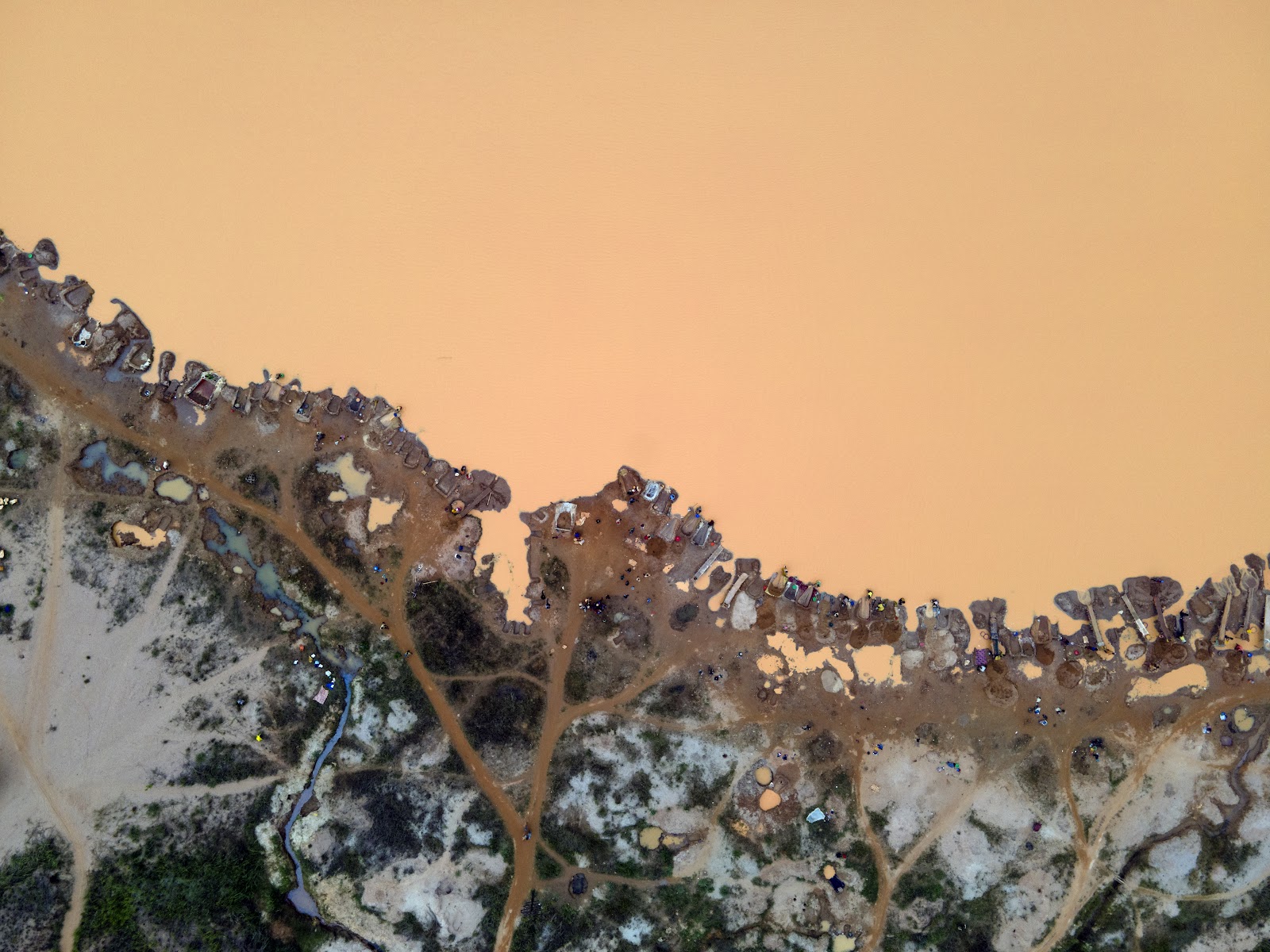
Tshanga-Tshanga derives from the Swahili word "Tshanga" which means 'to mix' and was used by the Zairian people to name patchwork fabric. However, Tshanga-Tshanga also has a relation to the darkest sides of colonial mining history in DR Congo.
Due to a chronic shortage of workers for the strongly growing mine industry, the British-Belgian mine company Union Minière du Haut Katanga (after its nationalization in 1966 by Mobutu known as Gecamines) implemented their so-called stabilization policies in the 1920s. Since the massive recruitment of workers in neighboring countries conflicted with new labor laws that abolished slavery, other policies needed to be invented. The Union Minière, therefore, introduced a form of forced family planning, a radical social experiment that focussed on breaking with the social structures of the traditional tribes and introducing the nuclear family. It became a tool to force members of different tribes and areas into mixed marriages as to create a 'better race of workers' named 'Tshanga-Tshanga,' or 'The Great Equalizer.'
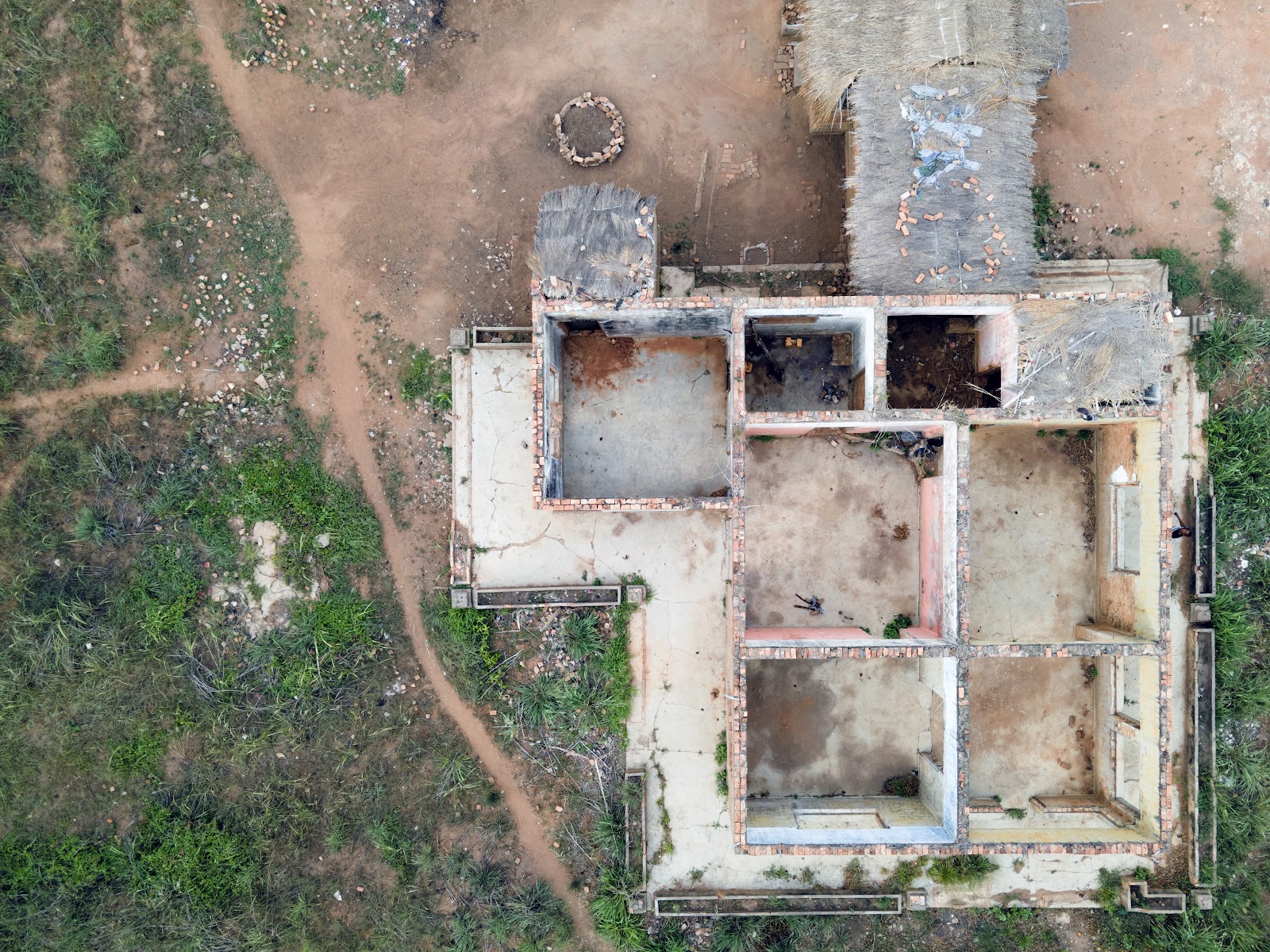
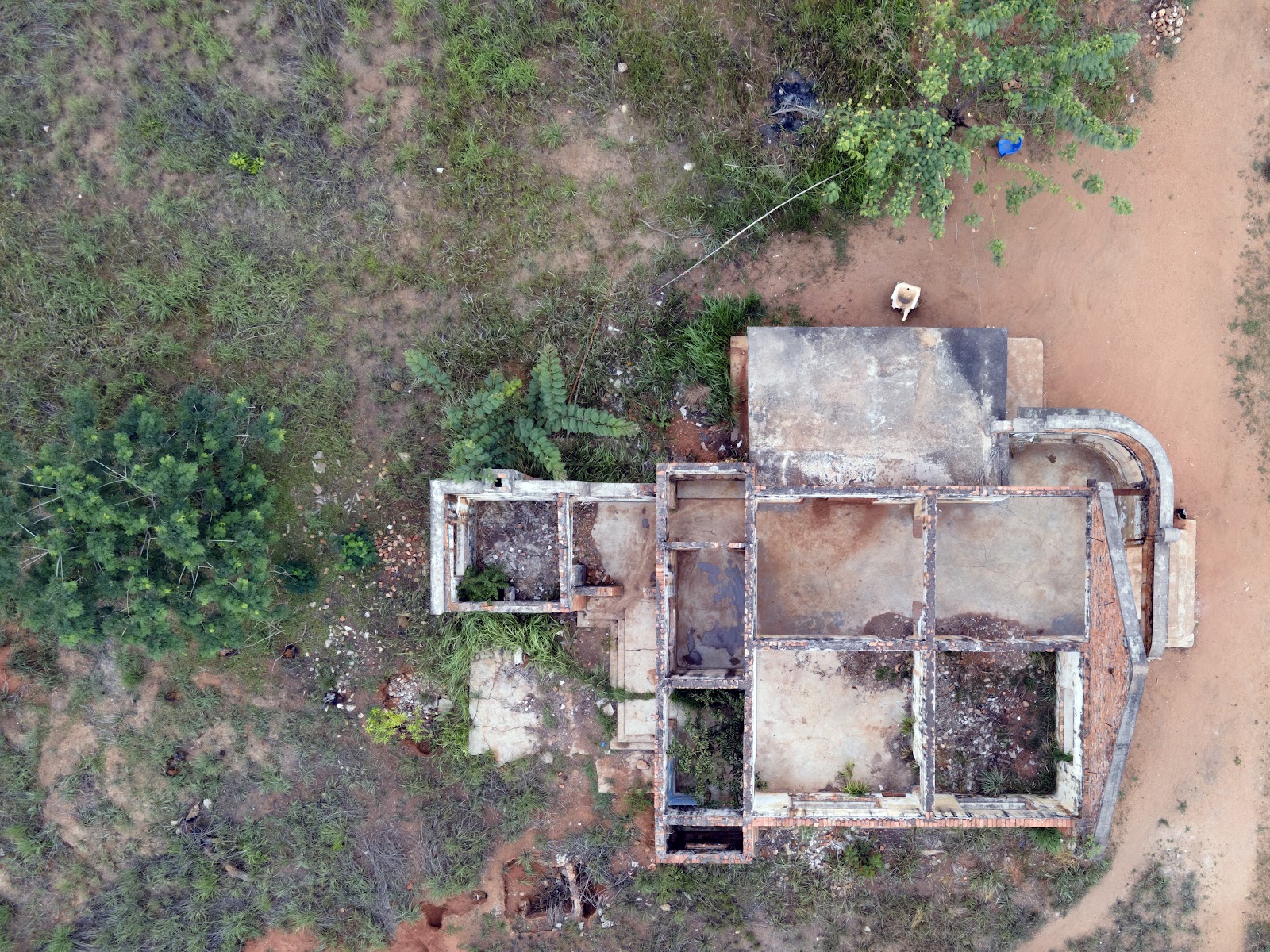
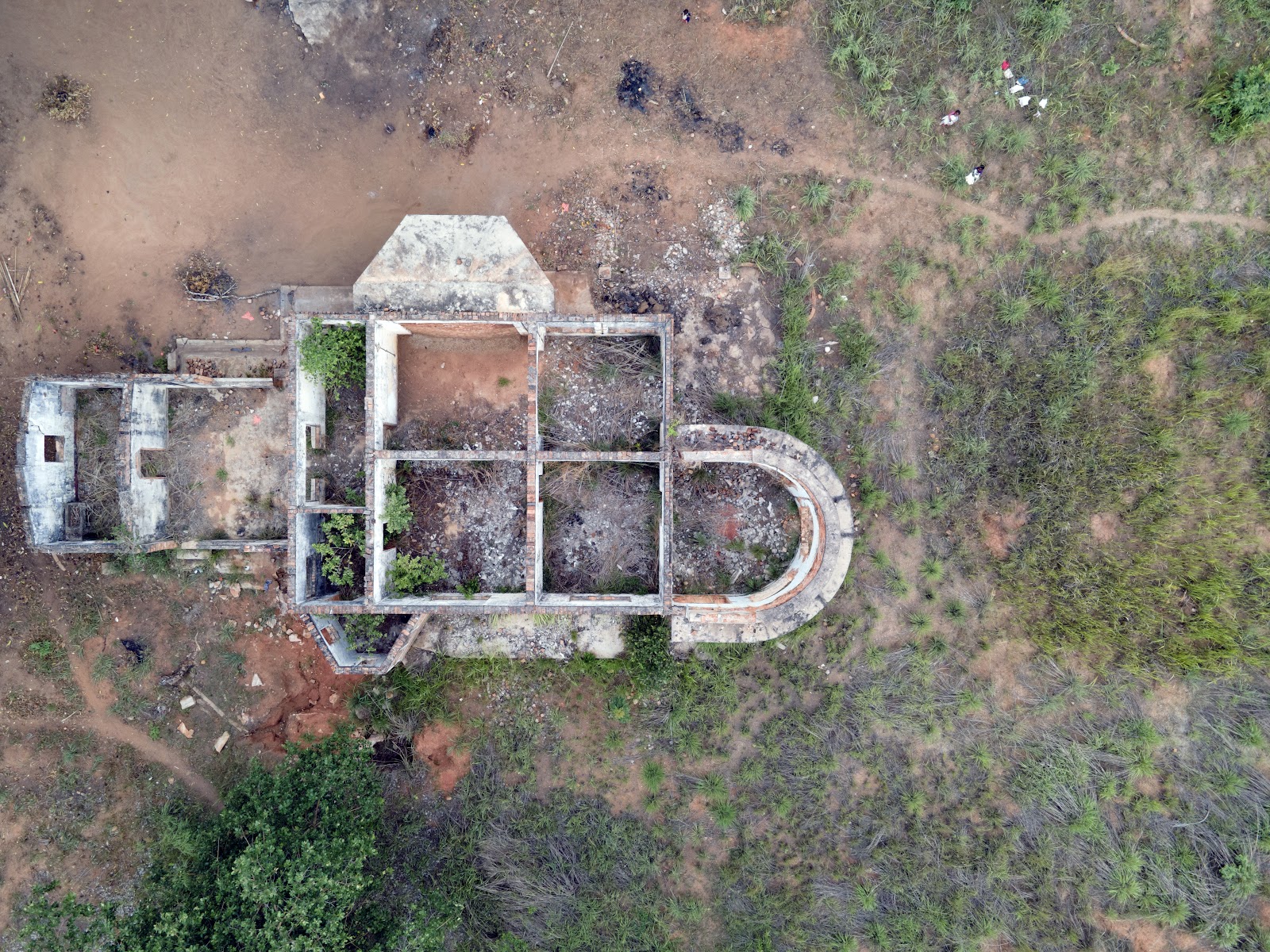
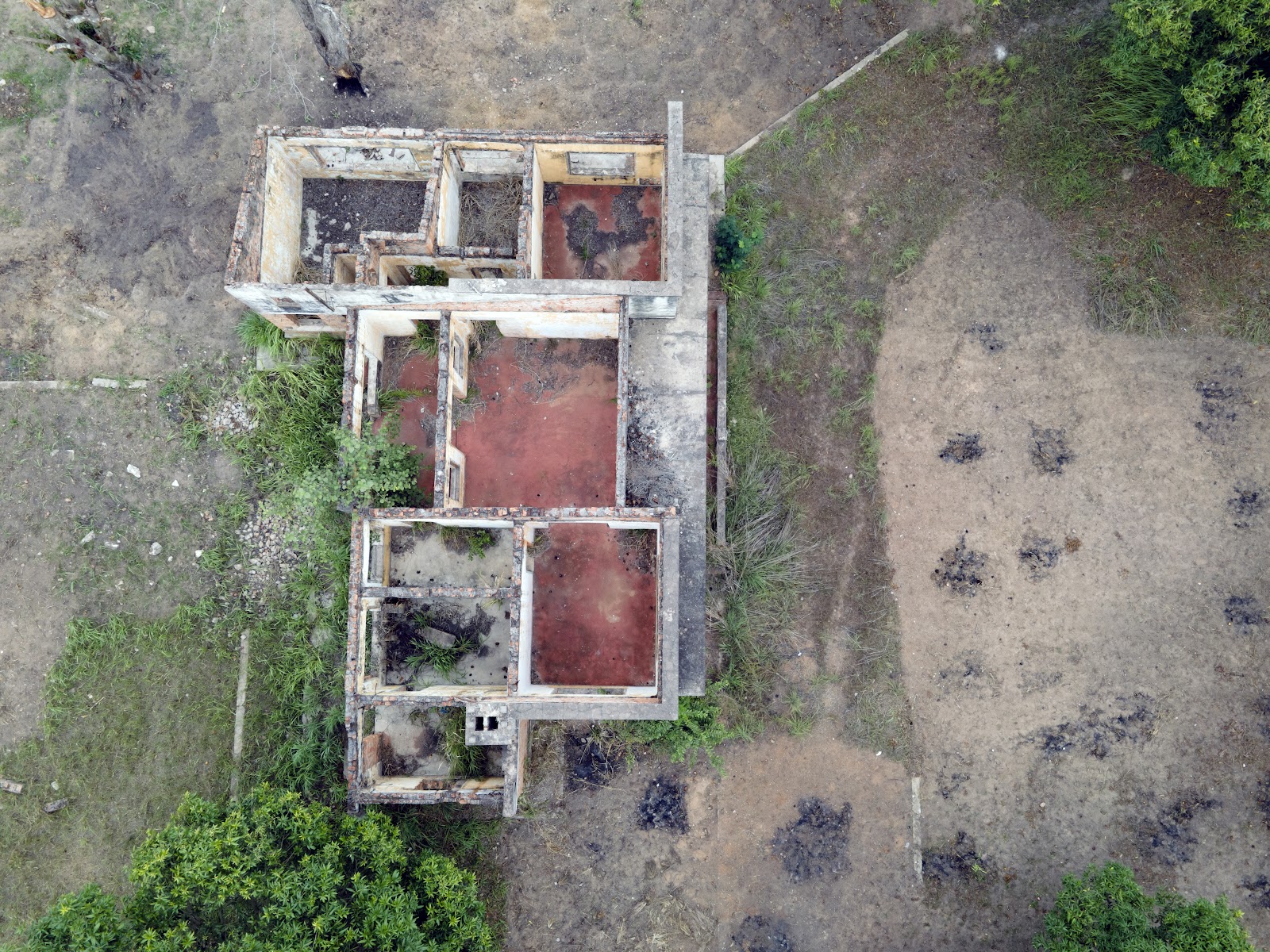
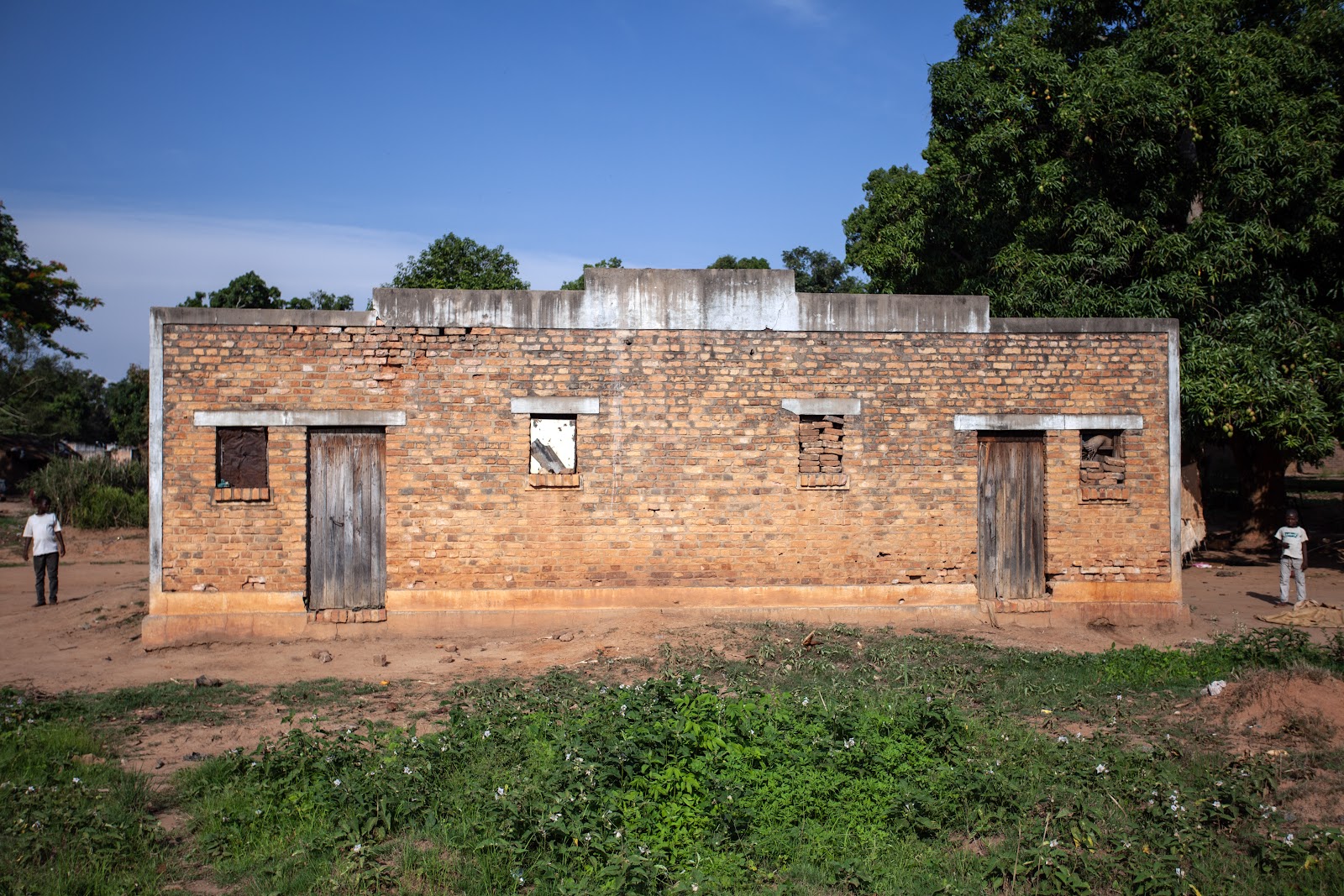
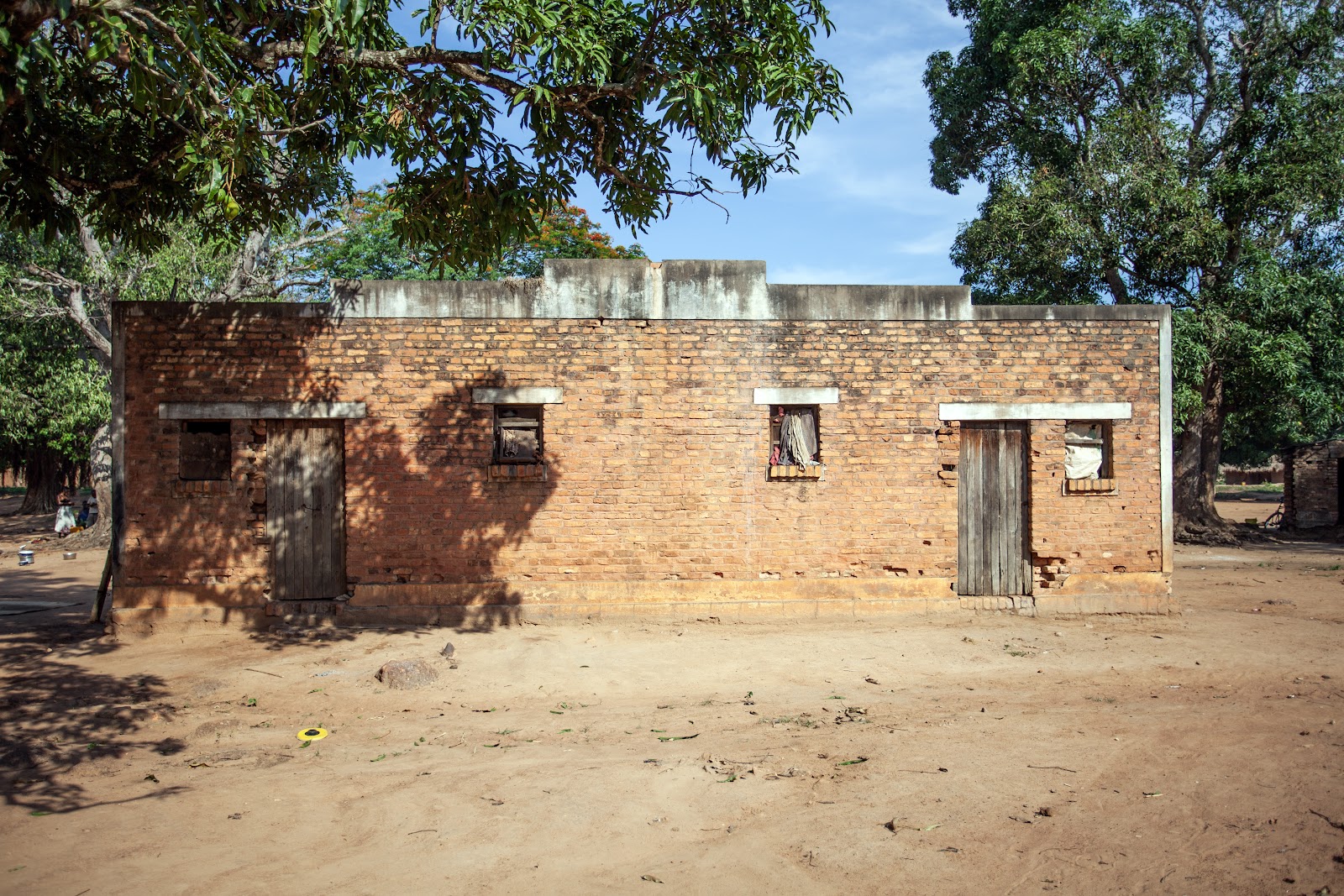
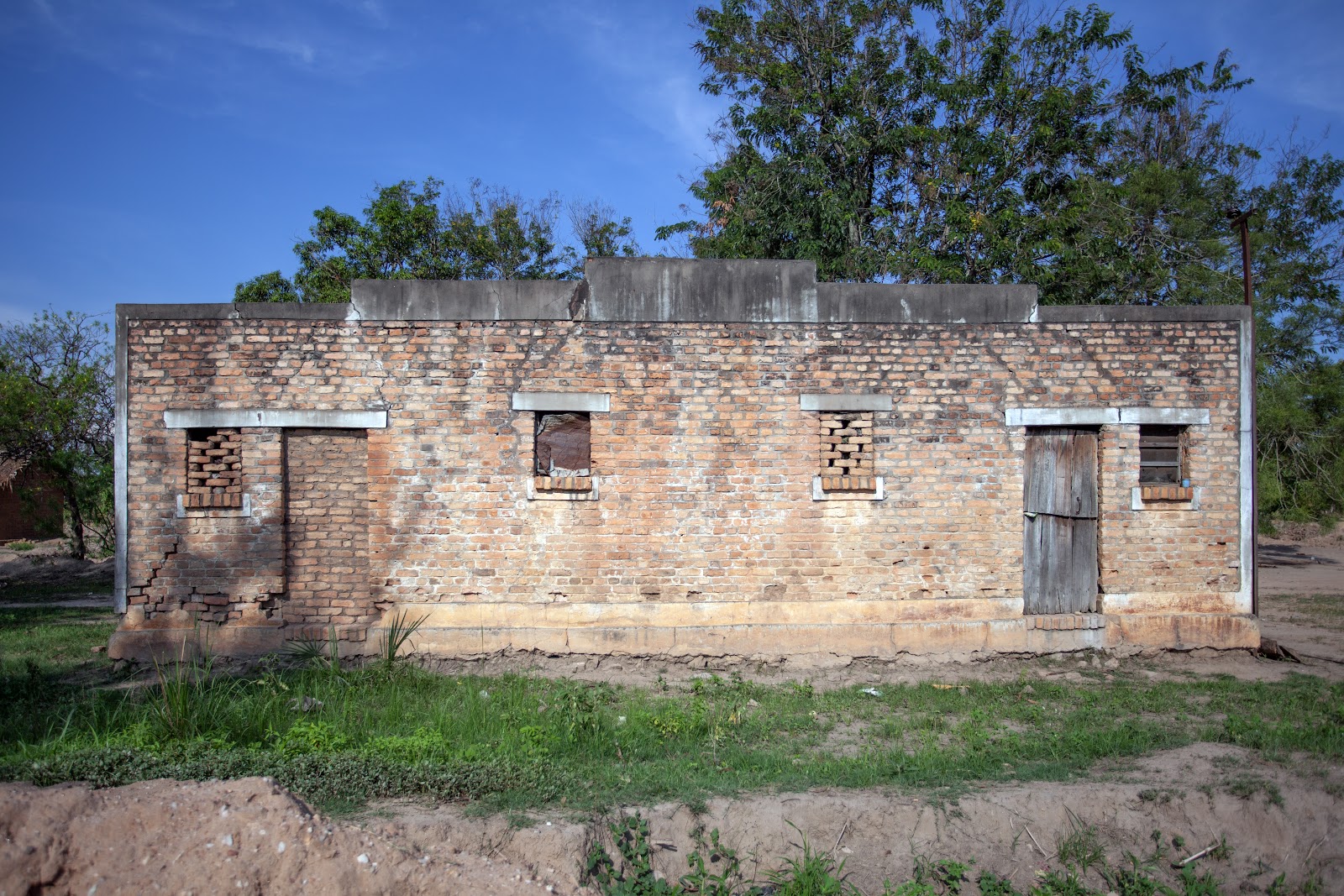
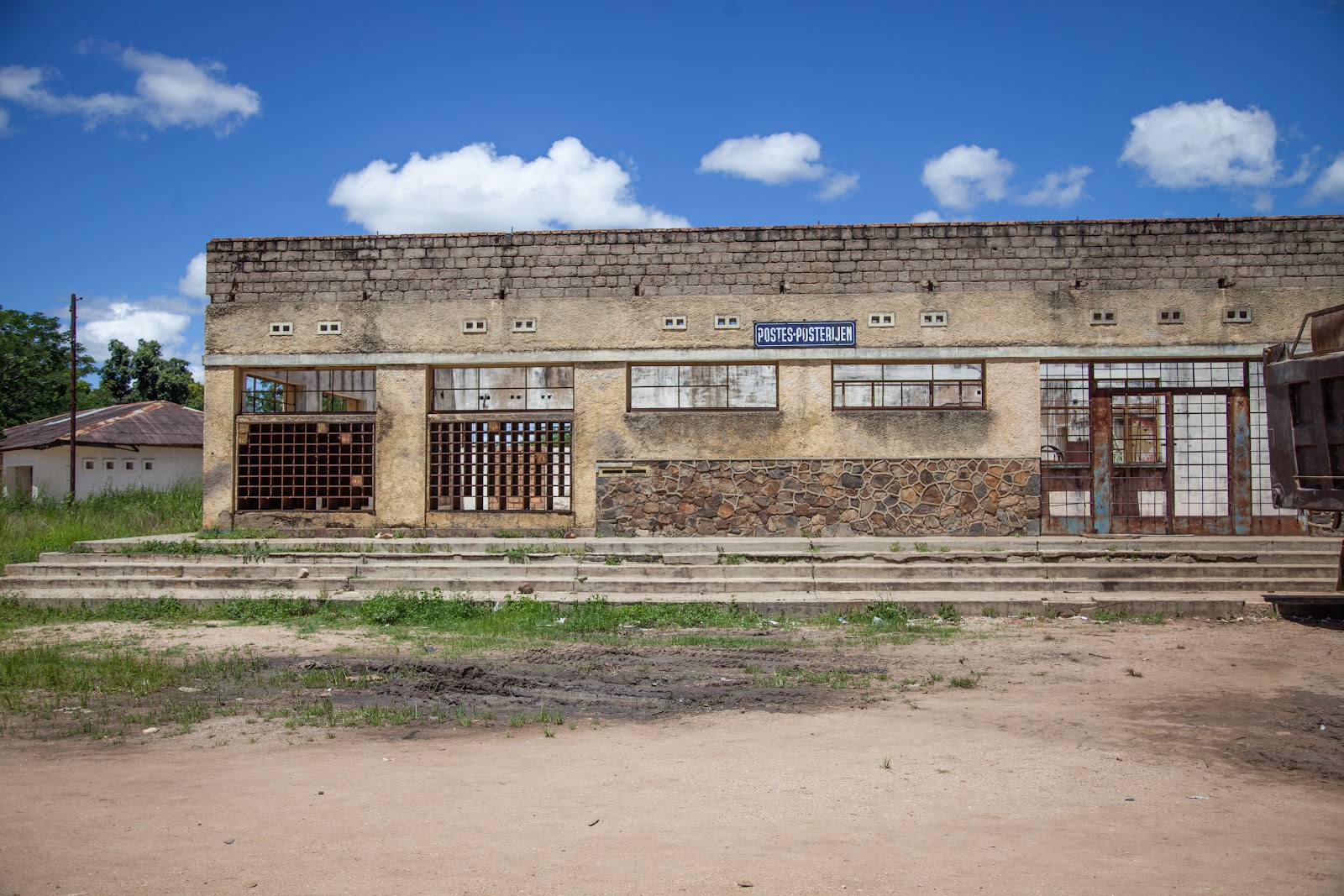
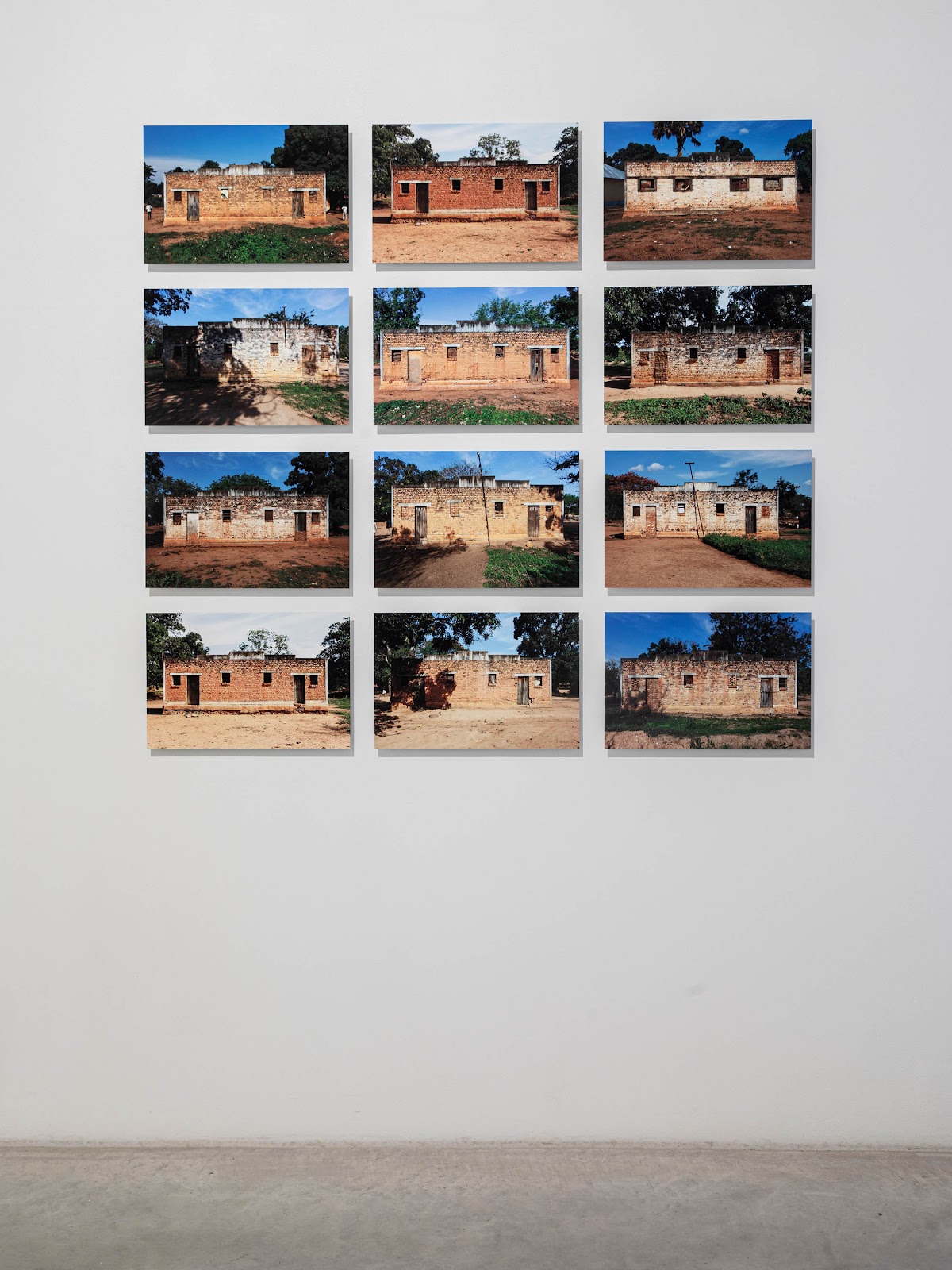
All with the idea that the necessary workforce anchored in modern family structures would reproduce and create a perfect mining force. For this concept to be successful, housing, schools, hospitals, and small community centers were installed, which could guarantee a good and prosperous life.
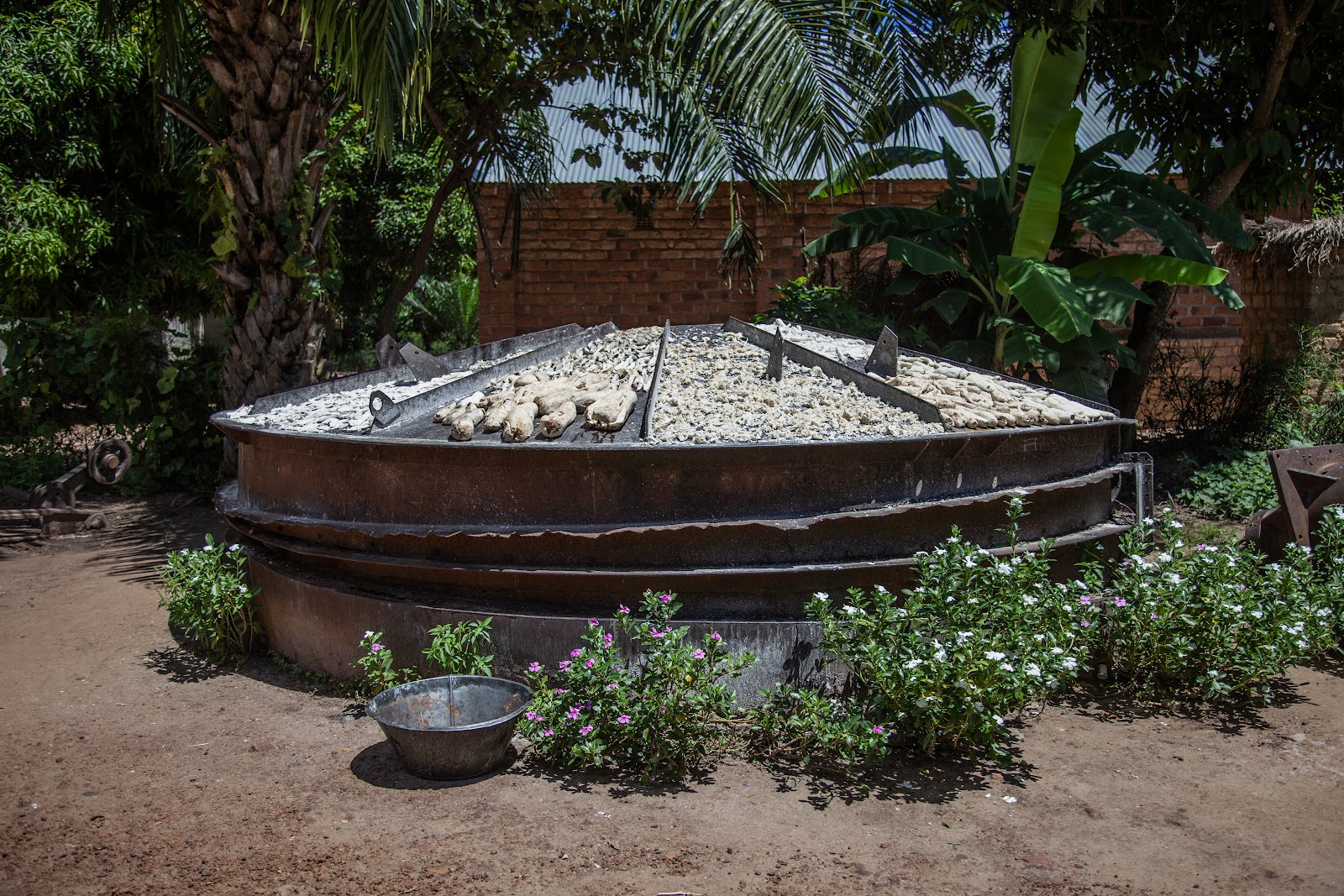
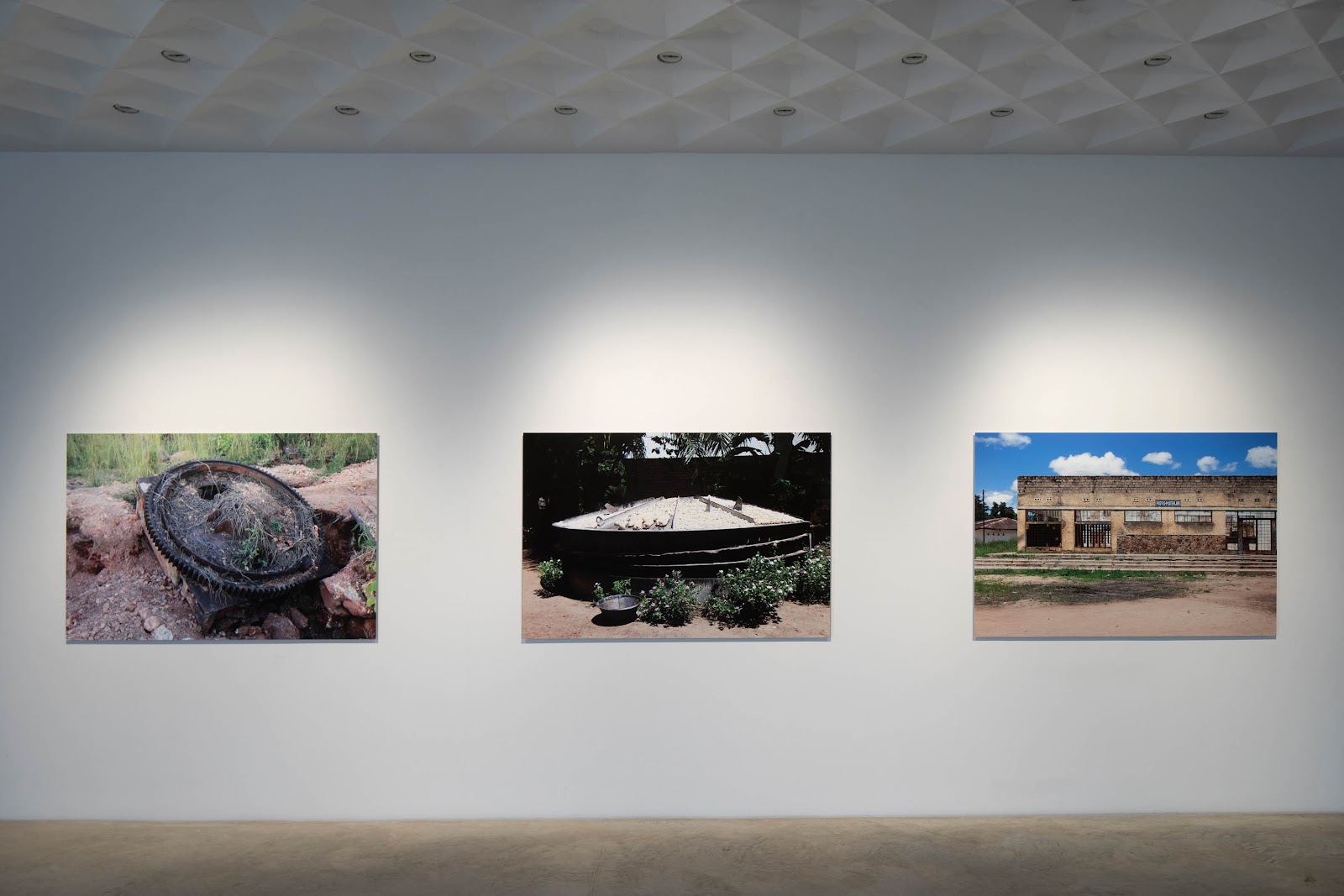
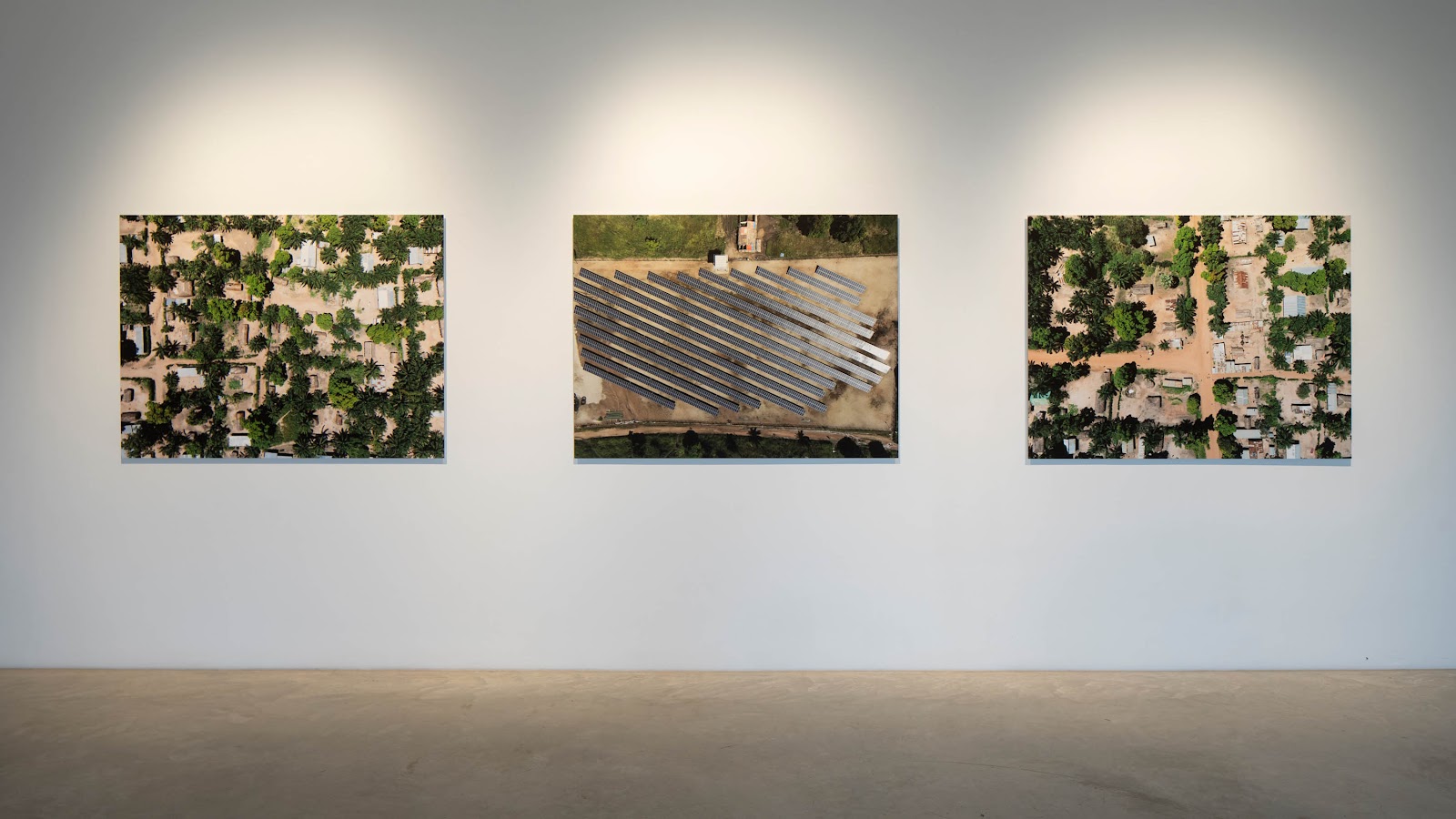
The project develops 'Tshanga-Tshanga' as a metaphor for the different ways in which 'mixing' was and is present in DR Congo, both in a historical sense, but also culturally, socially, economically, and metallurgically. Tshanga-Tshanga is a project in Manono on the history of the exploitation of the natural resources of DR Congo, from the moment of independence up to the present day.
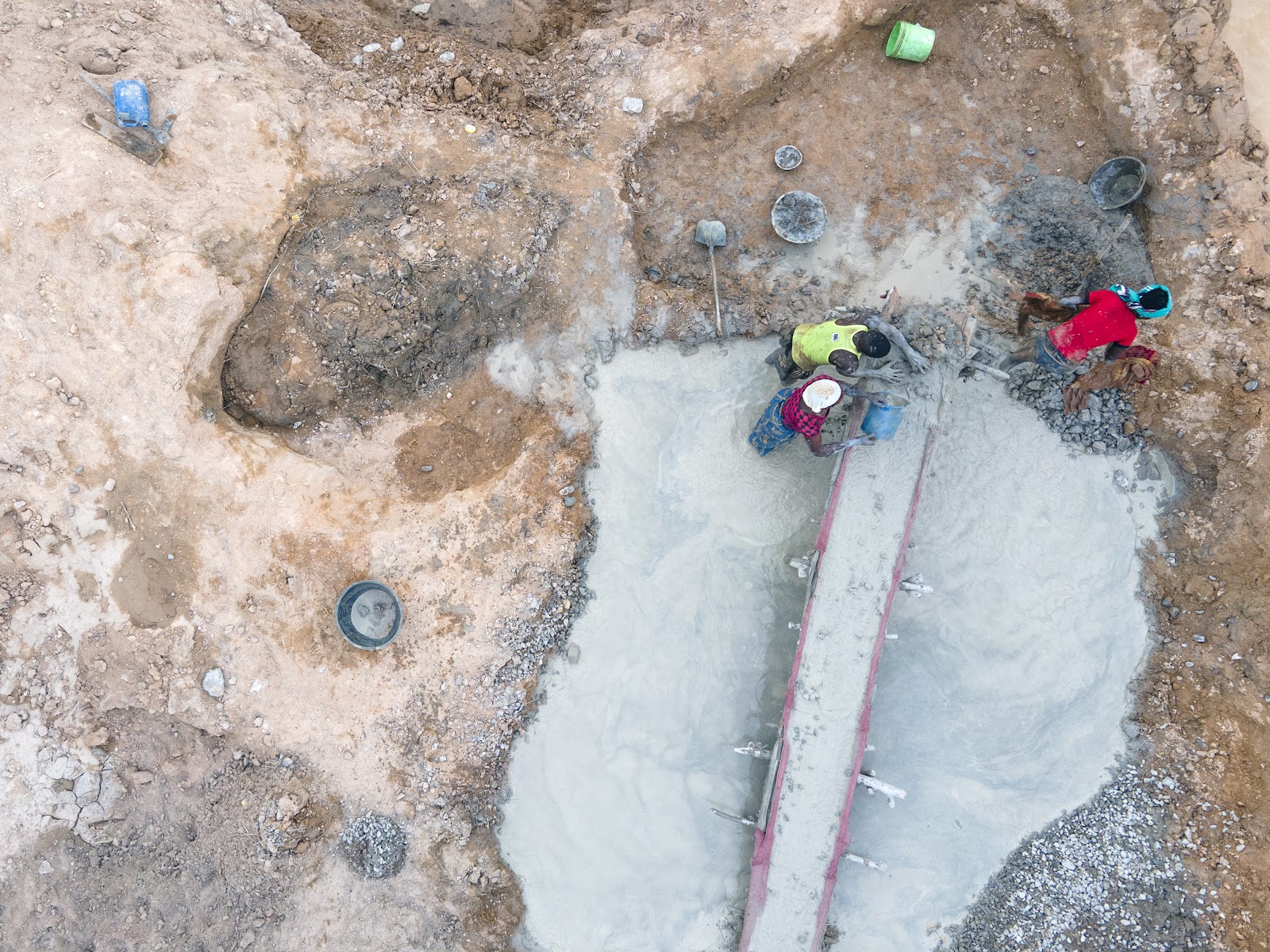
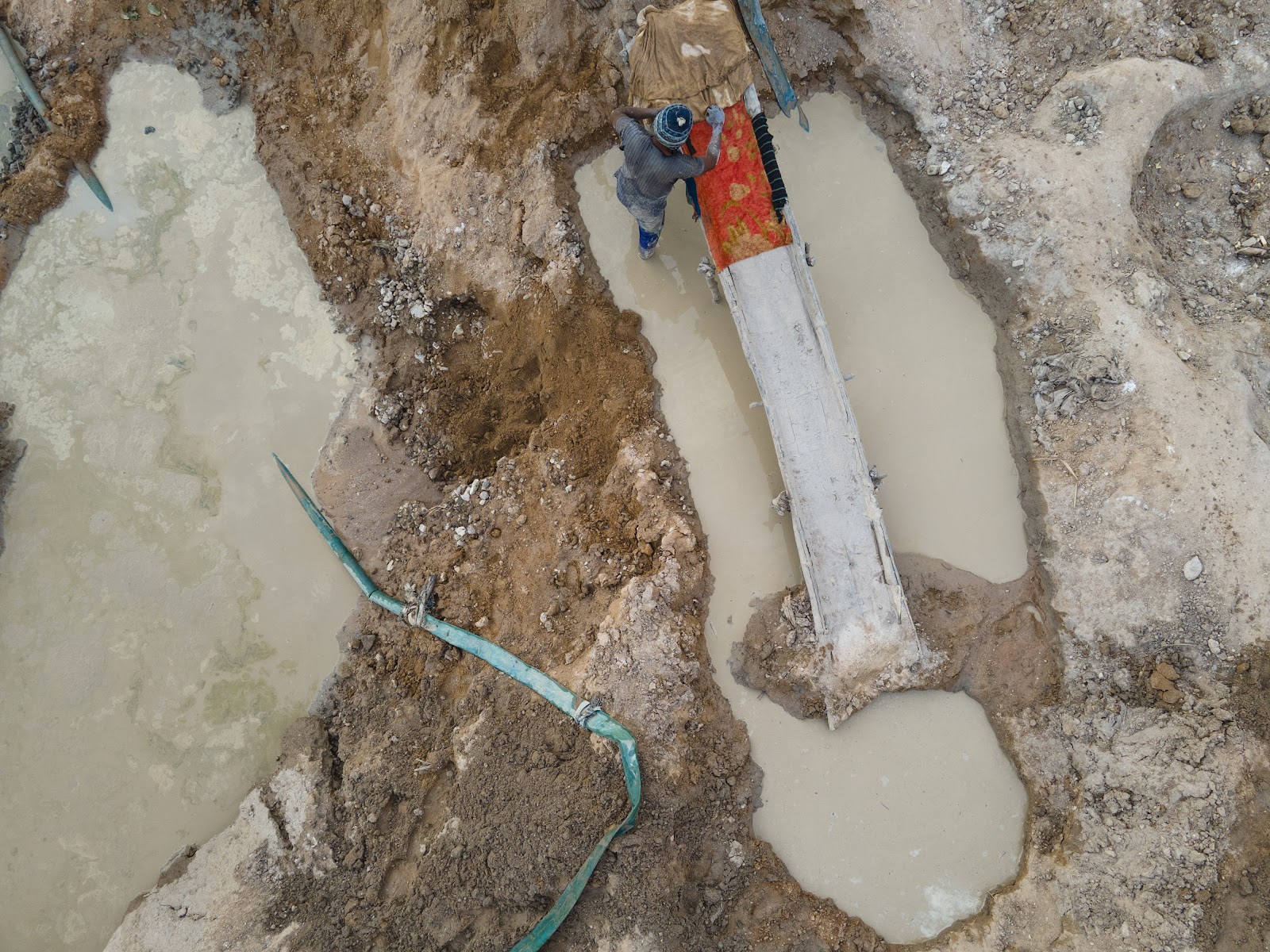
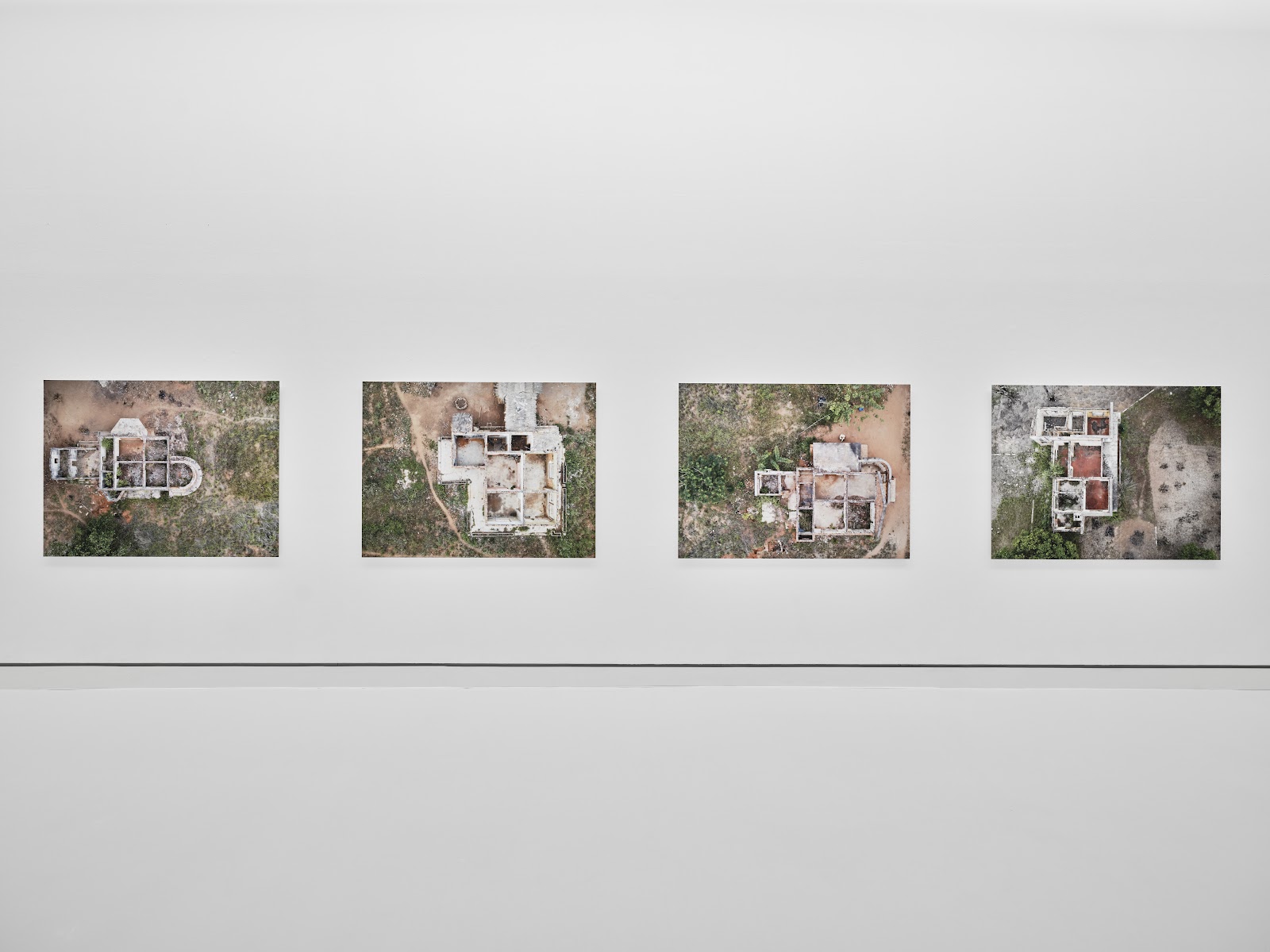
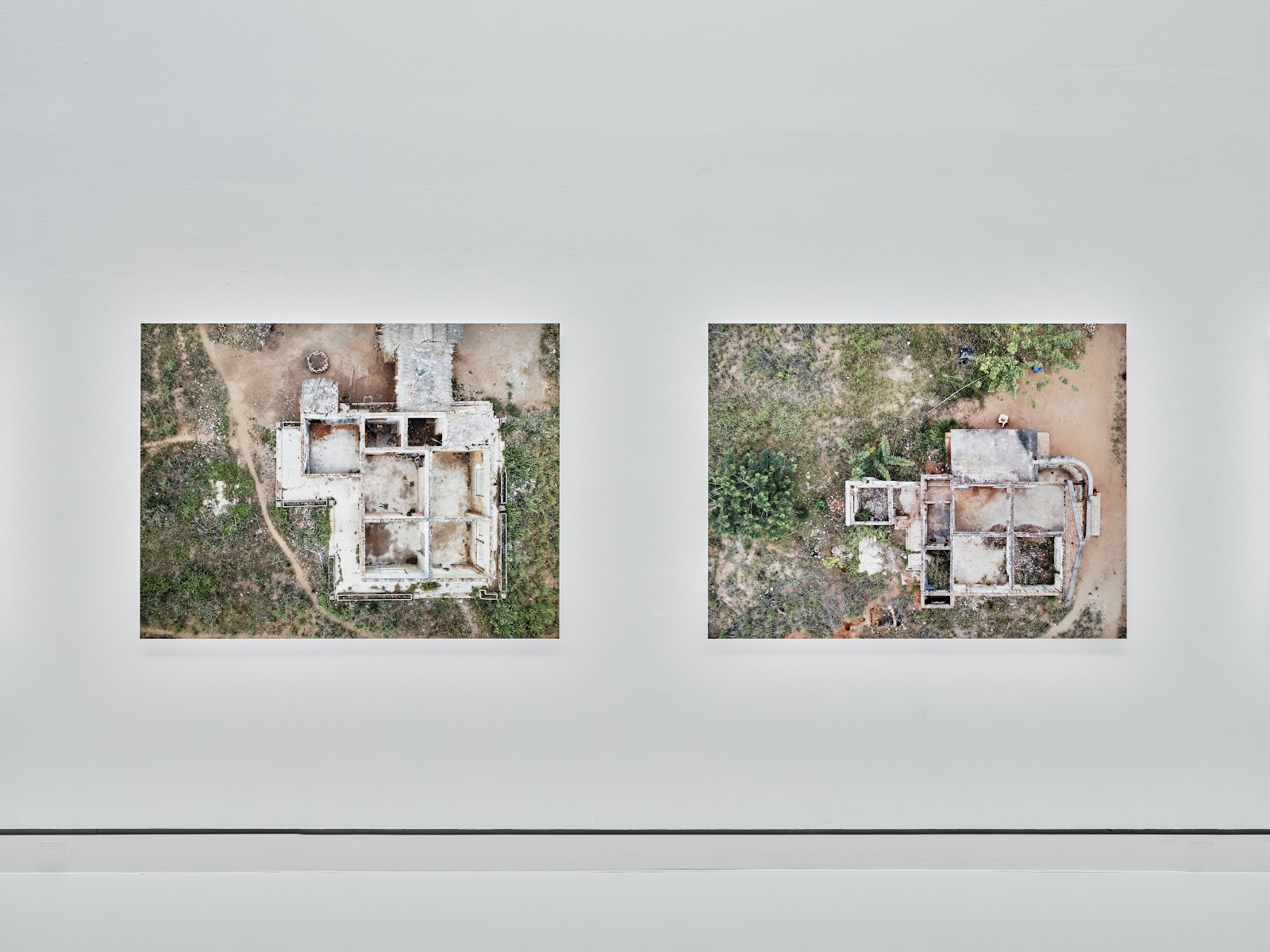
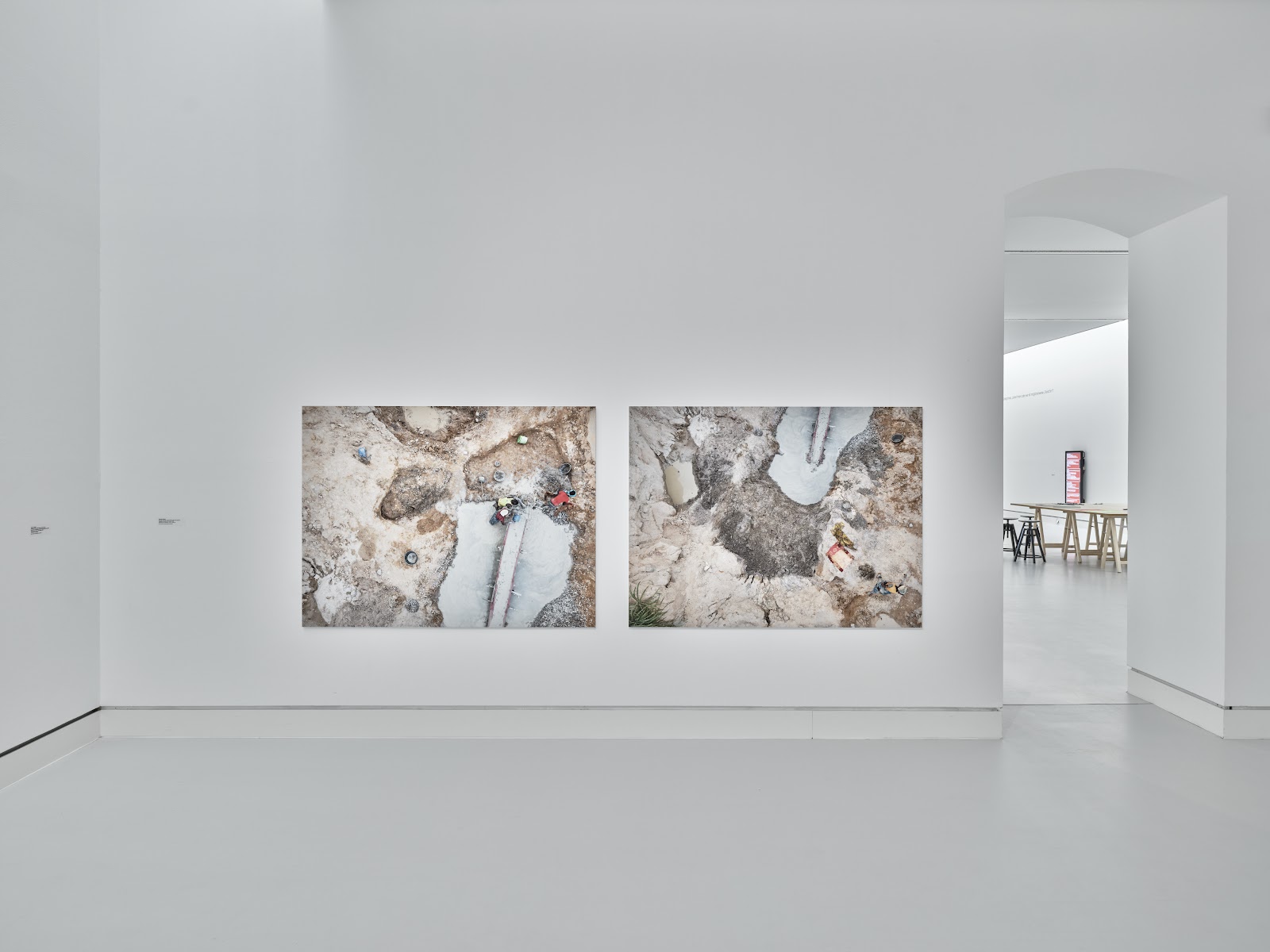
I visited the city and surrounding Manono, which was not only deeply transformed by the history of industrial mining, but also currently finds itself at a new historical hinge point, as it braces for the exploitation of the world's largest reserves of lithium, the main raw material needed for the global production of electric batteries to store so-called Green Energy. While multinational mine companies move in and instigate profound infrastructural changes to the urban landscape, the city population is still deeply influenced and traumatized from a living nightmare since the bankruptcy of Gecamines in the mid '80s.
300 Maisons (Three hundred houses)
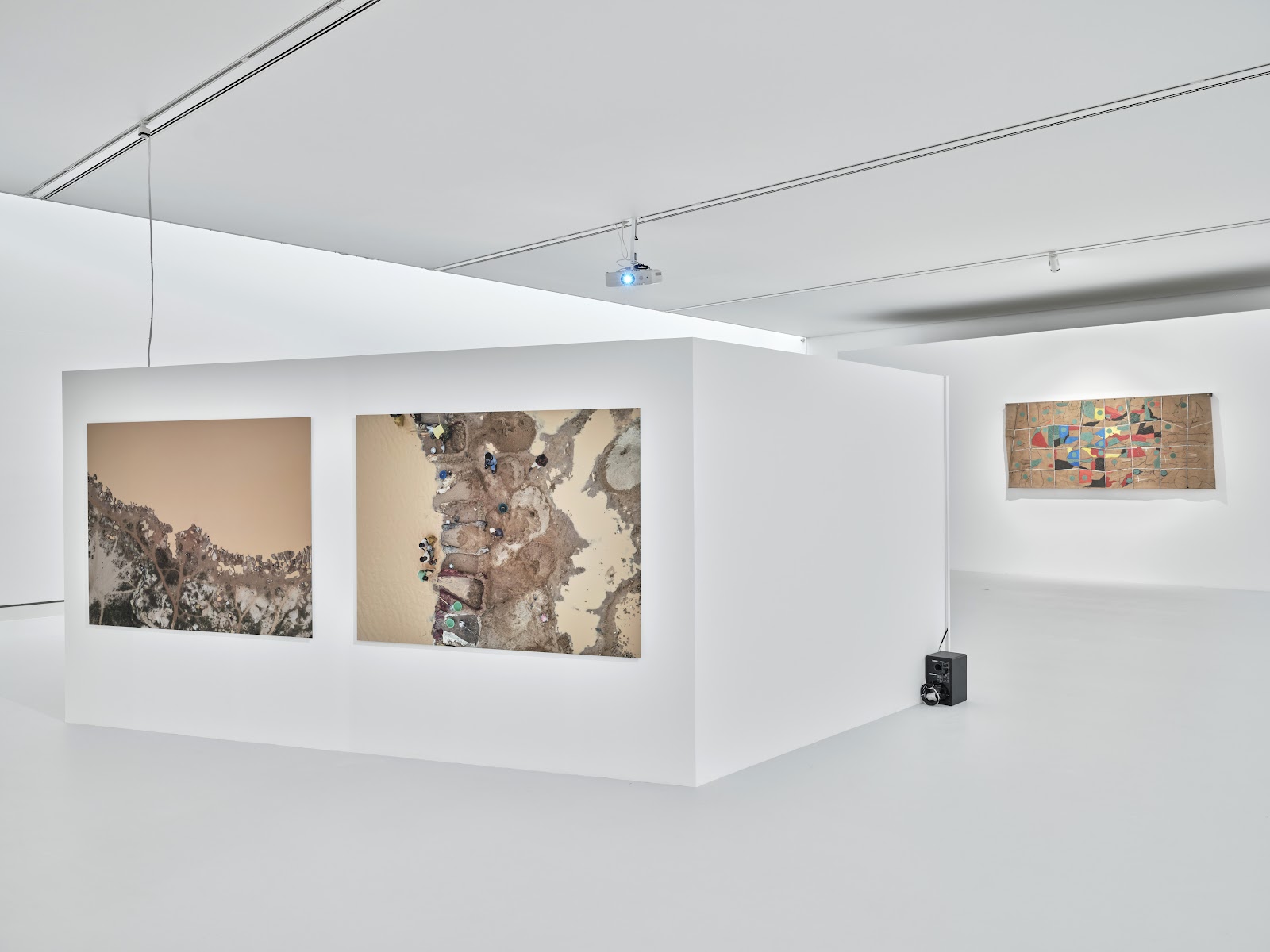
Mille Bêches (A thousand spades)

Barsin Polyptych
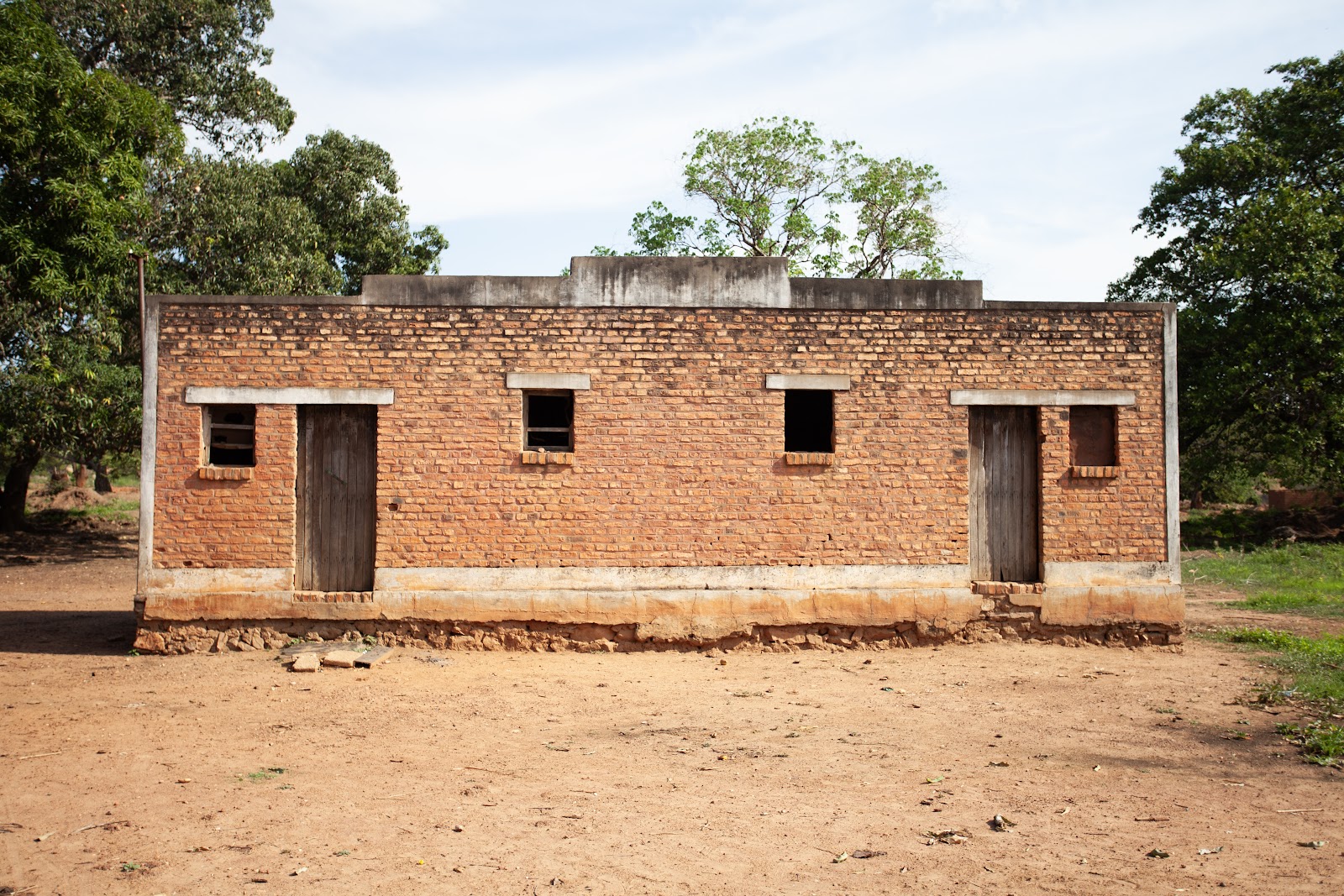
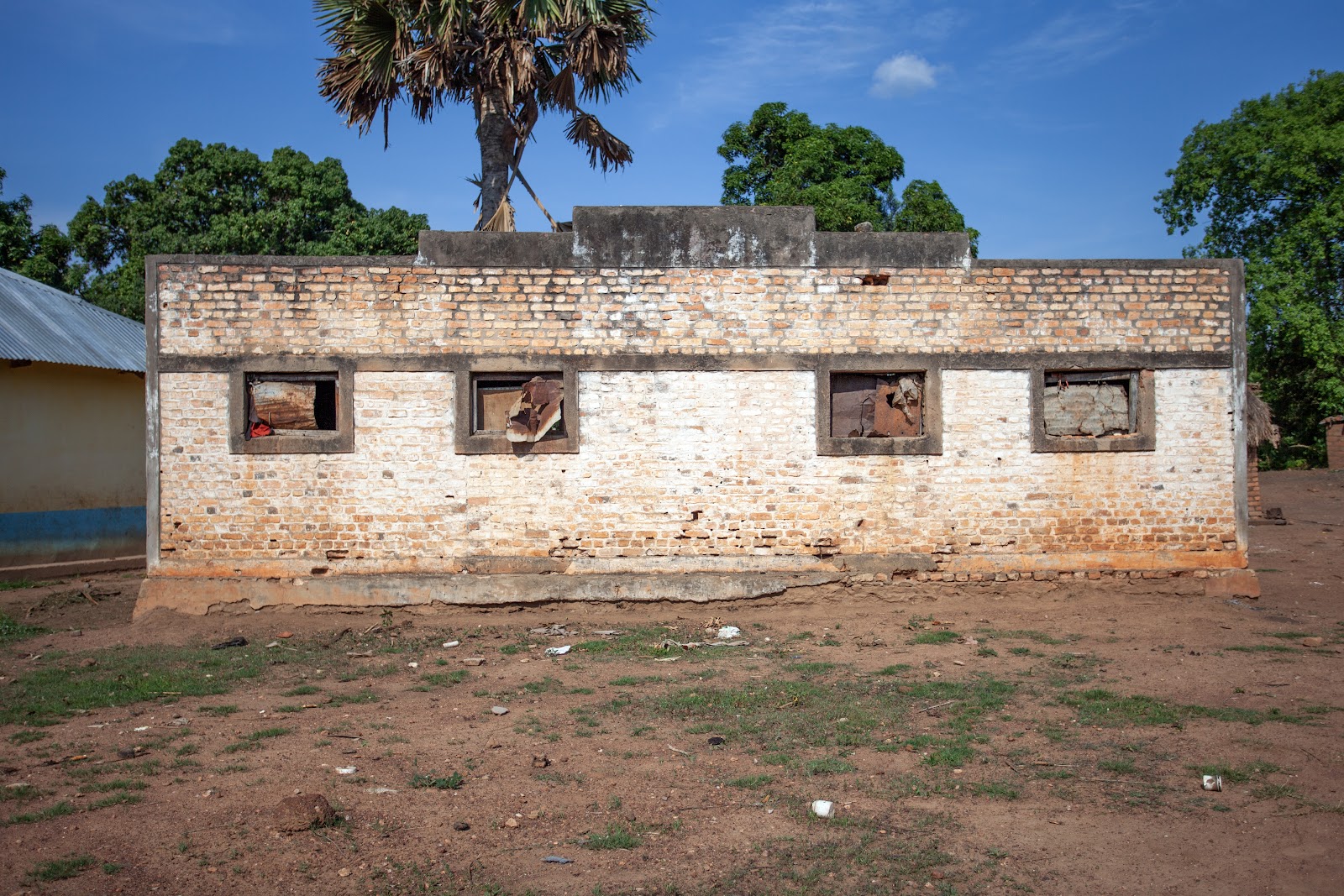
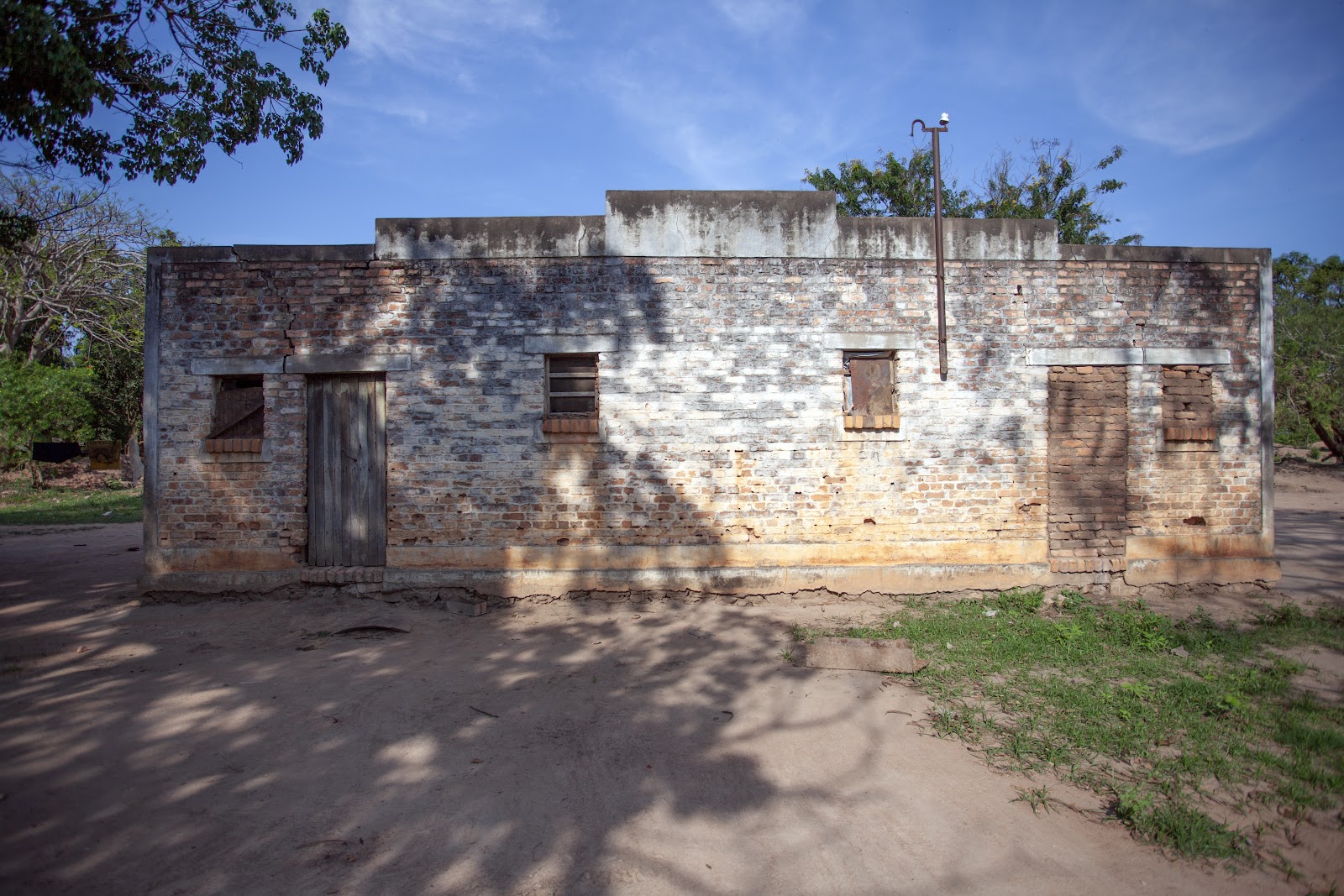

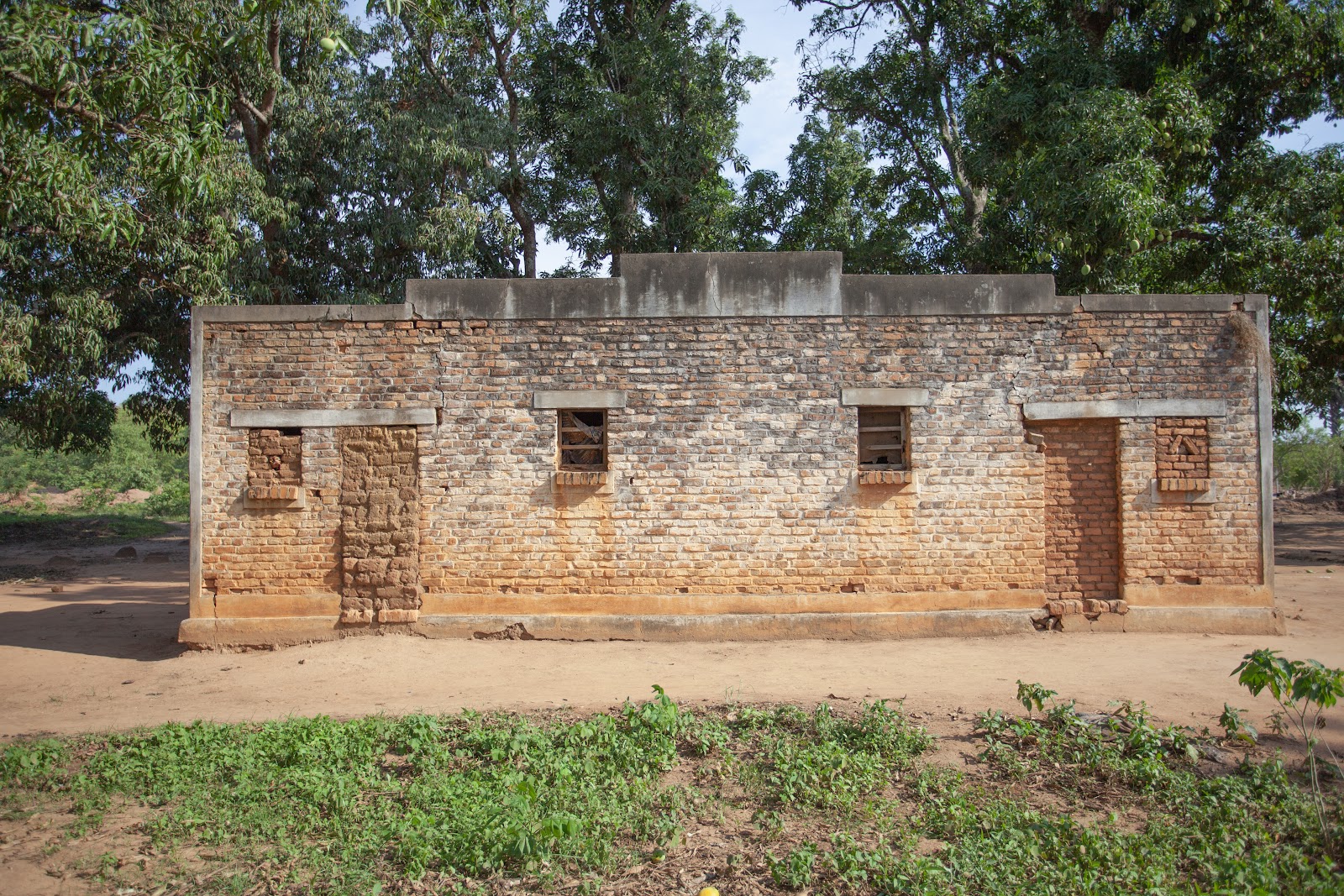
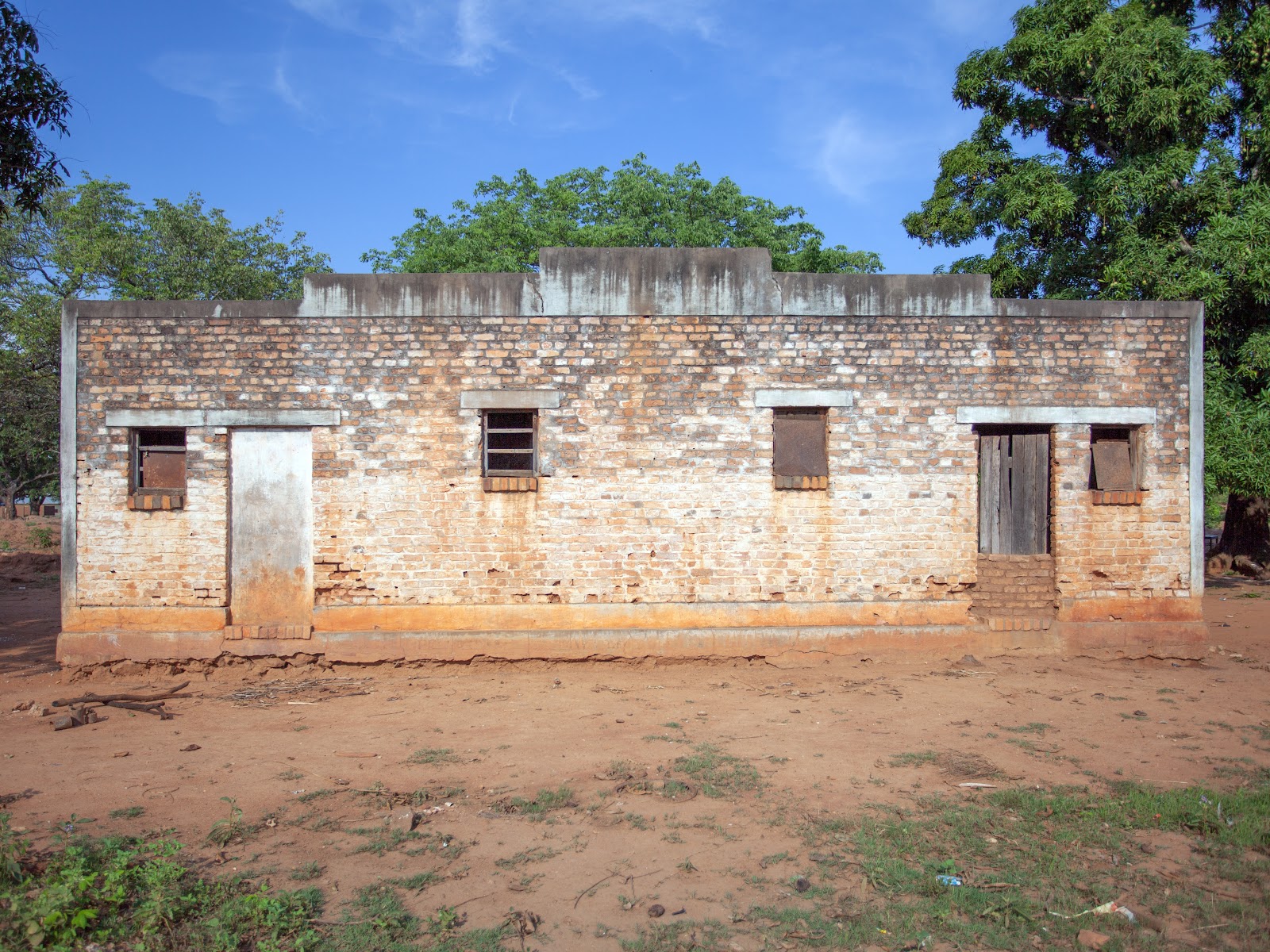
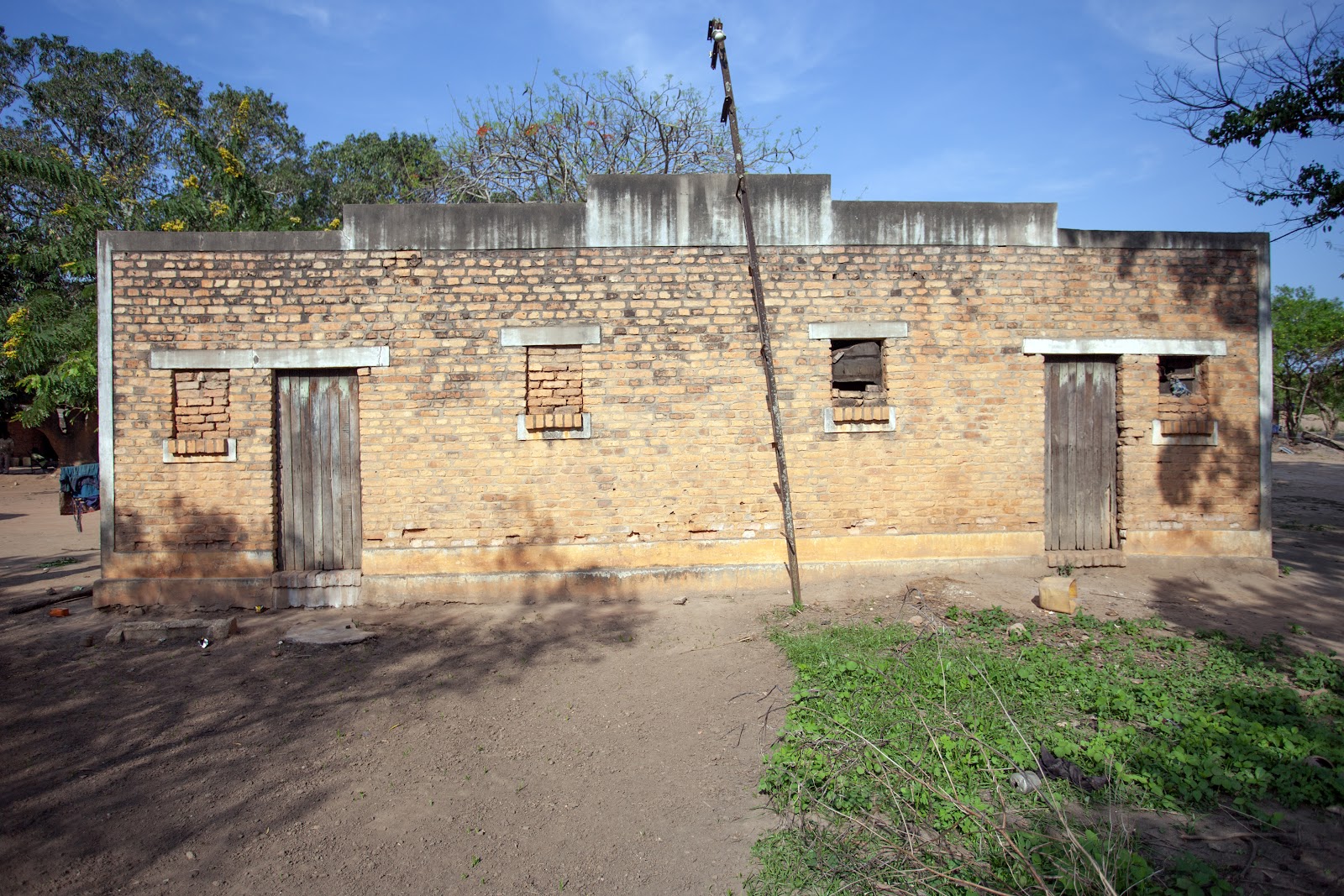
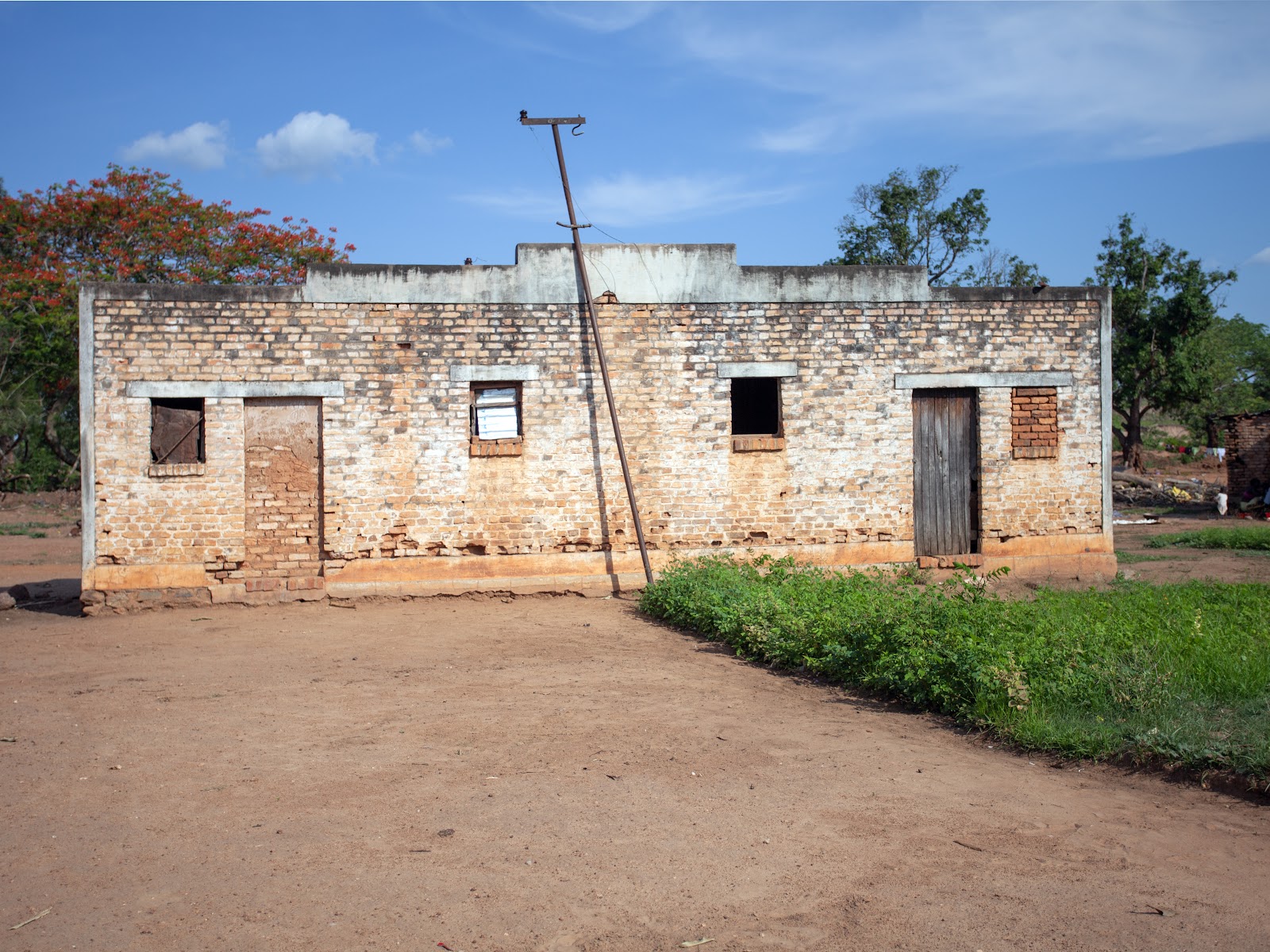
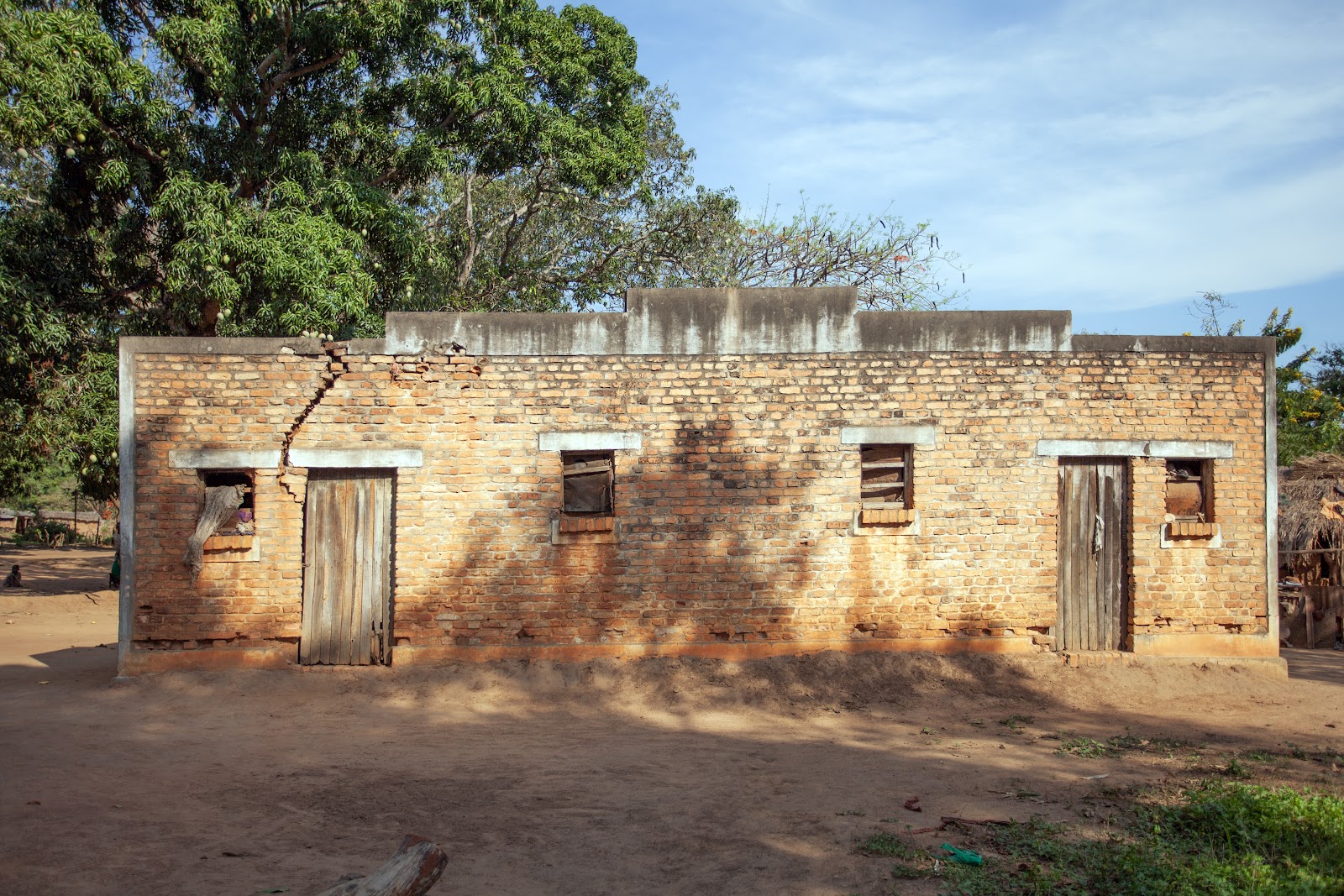
Tshanga Series
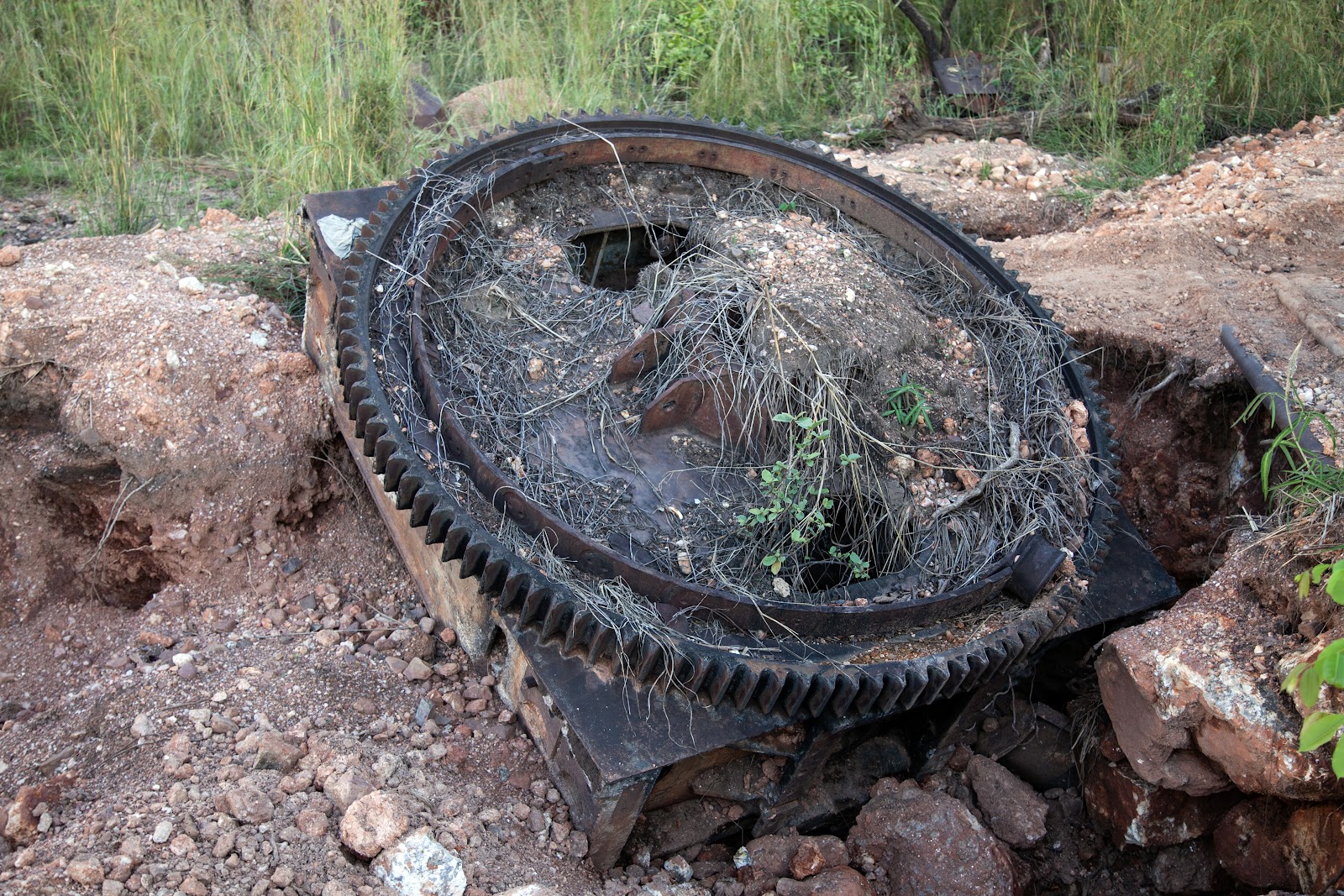
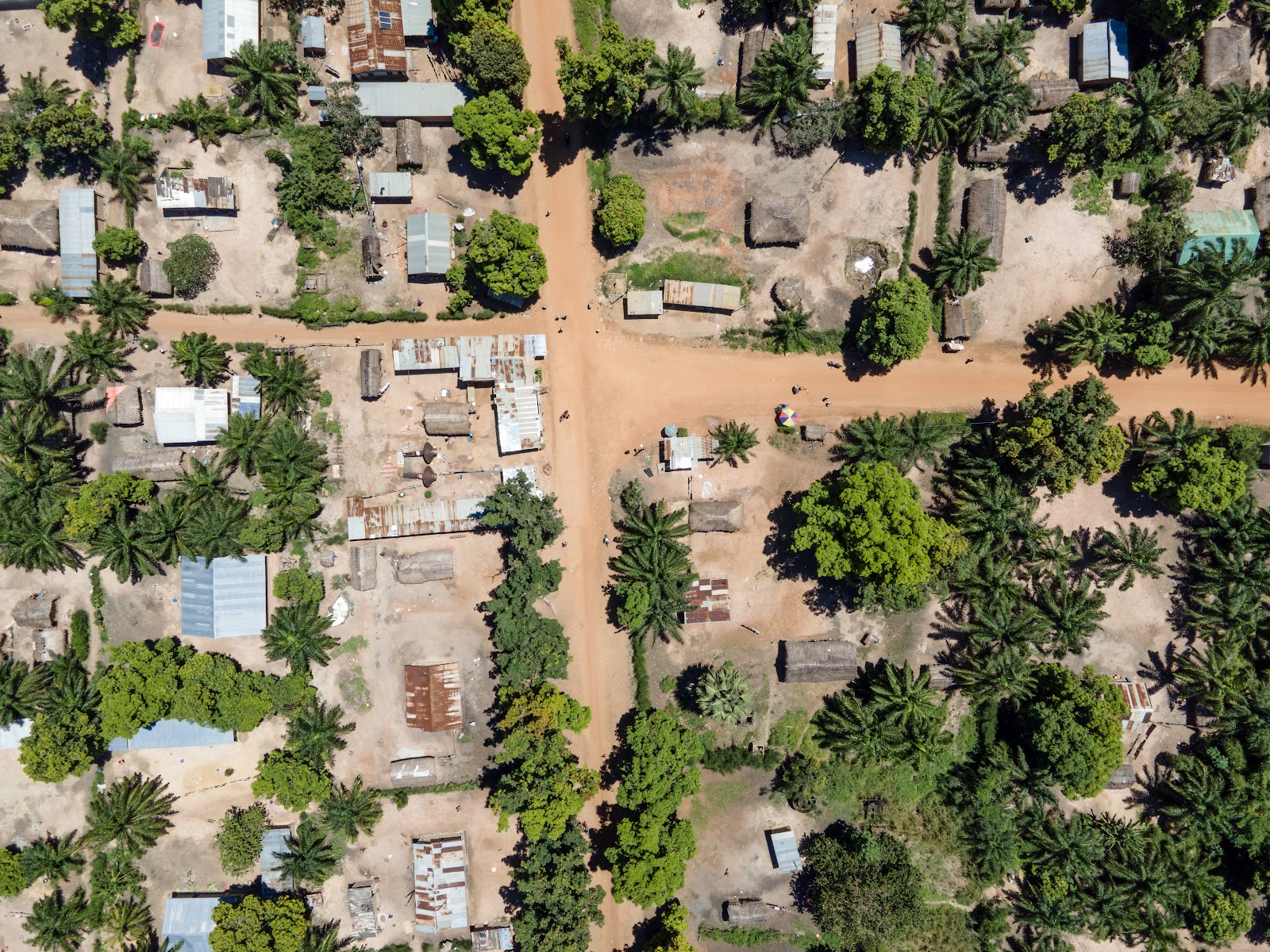


Exhibition: Kunsthalle Mainz (2023)
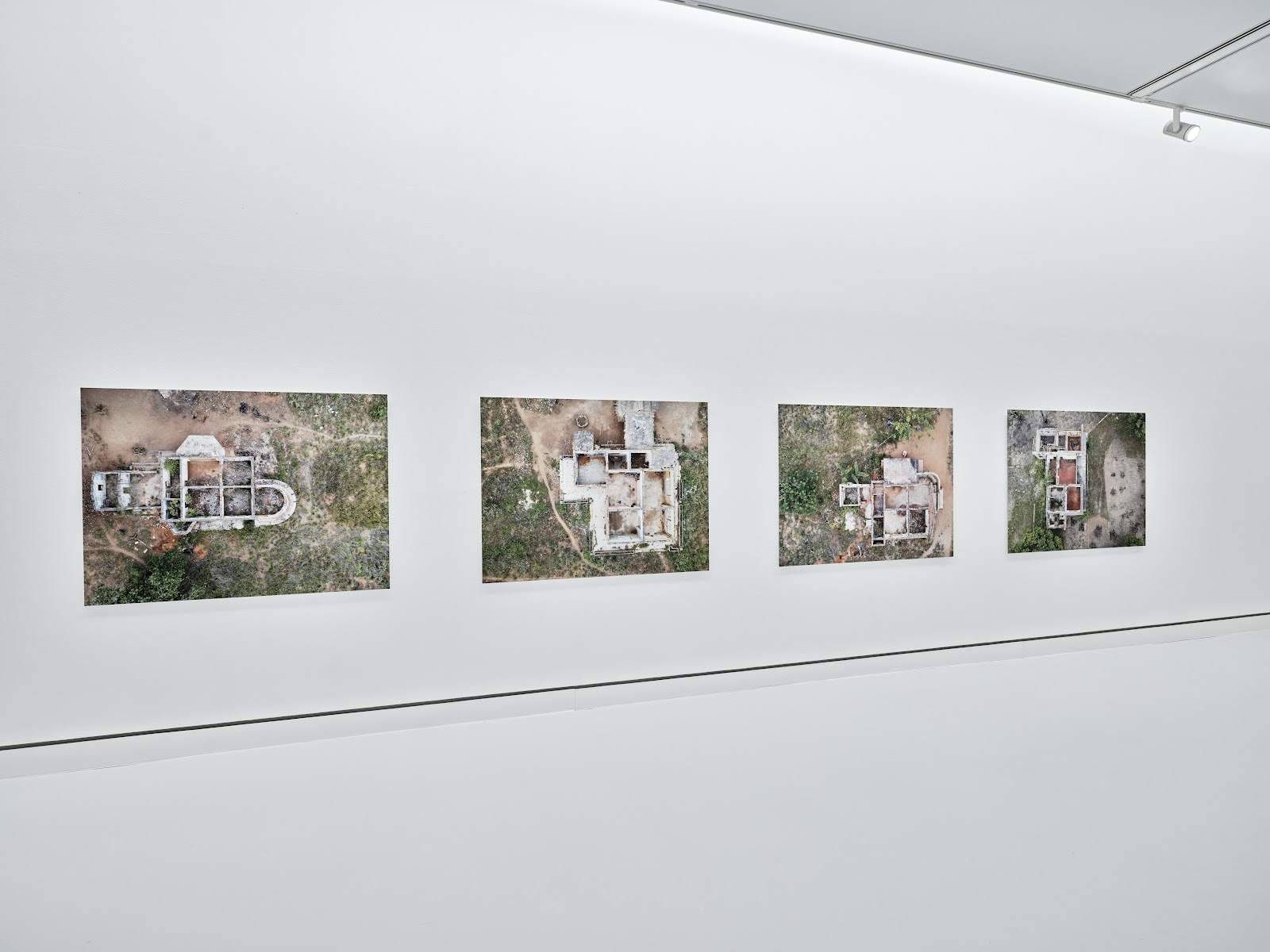
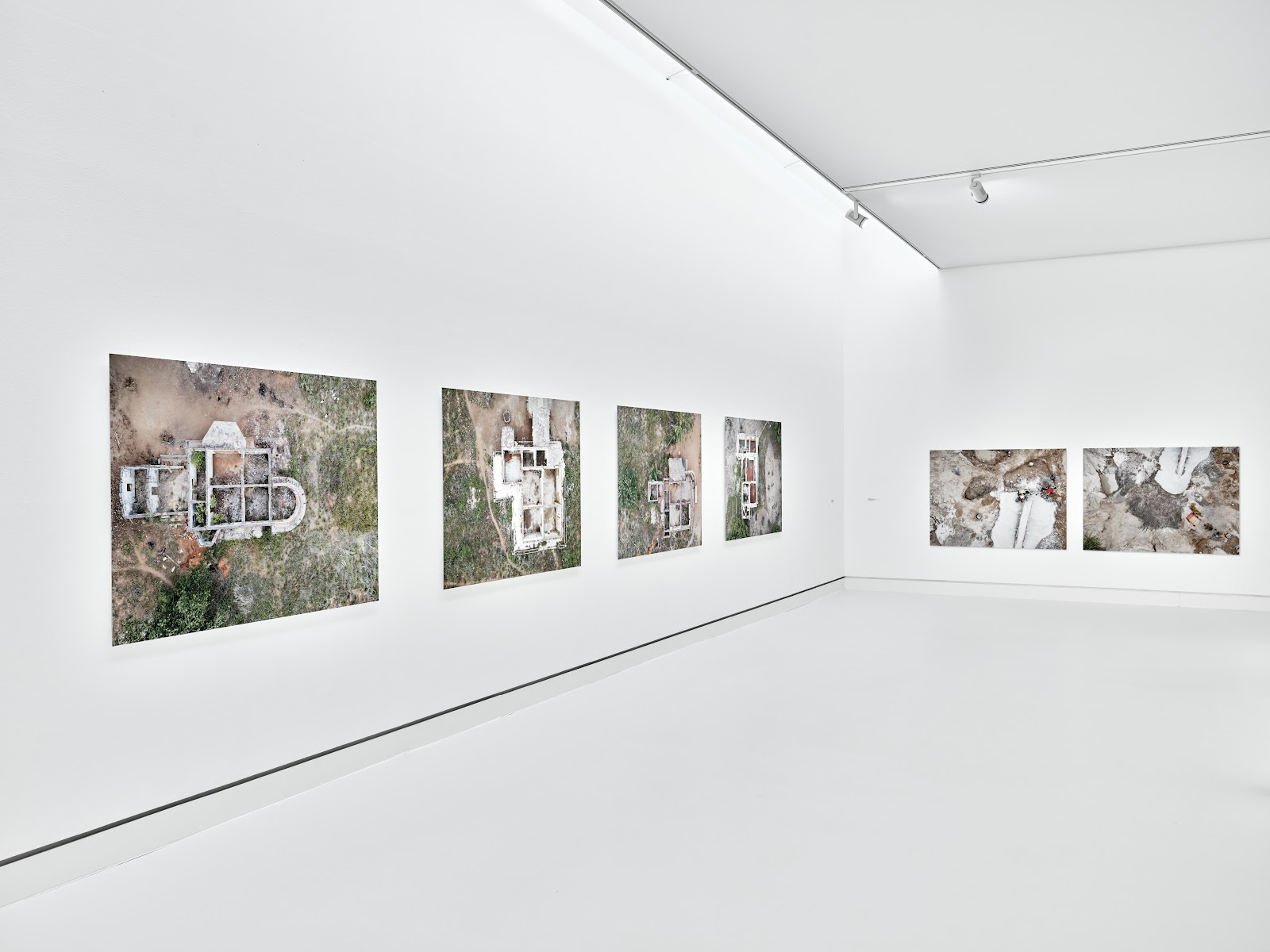

Exhibition: Framer Framed, Amsterdam (2023)
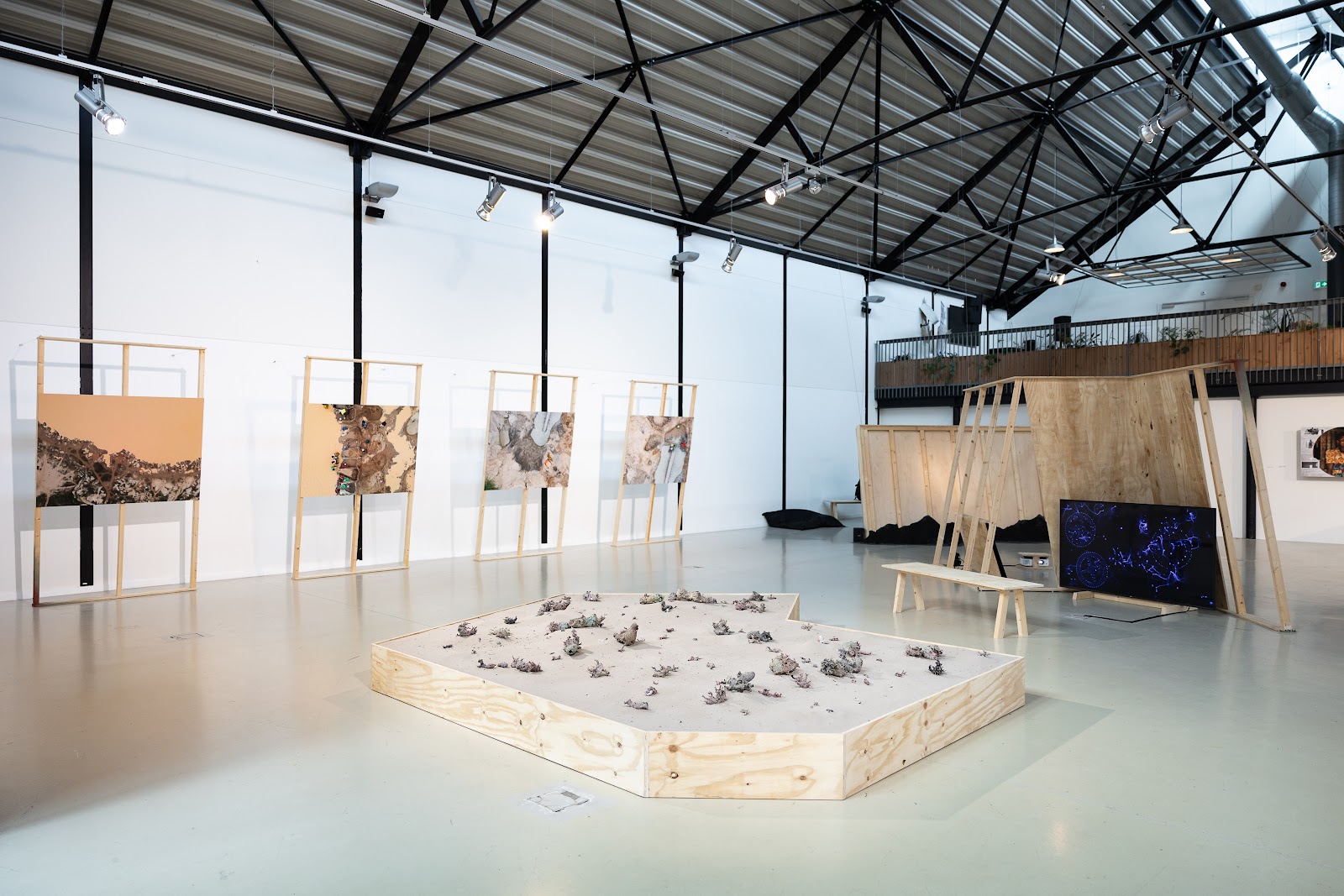

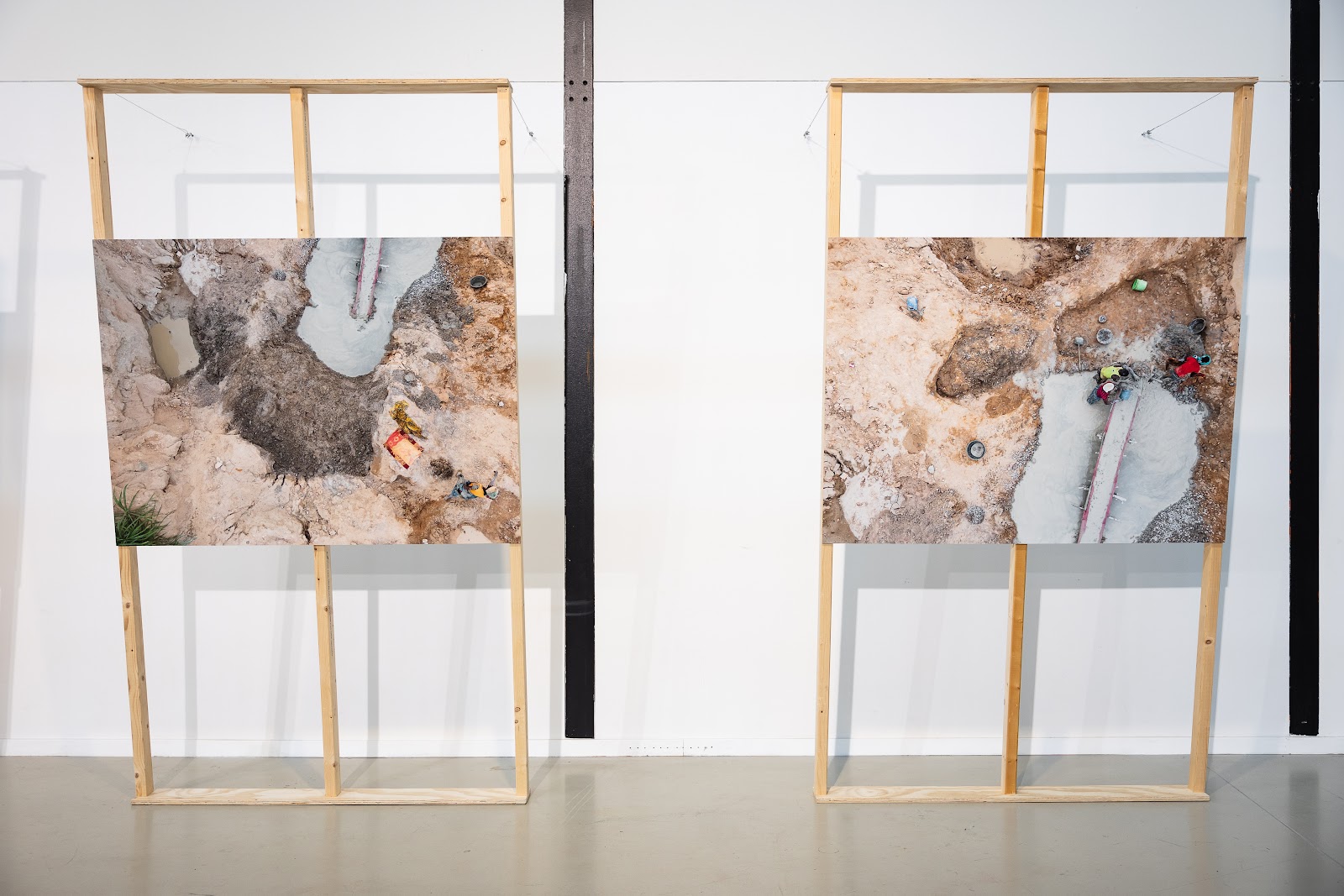


Exhibition: Z33, Hasselt (2022)
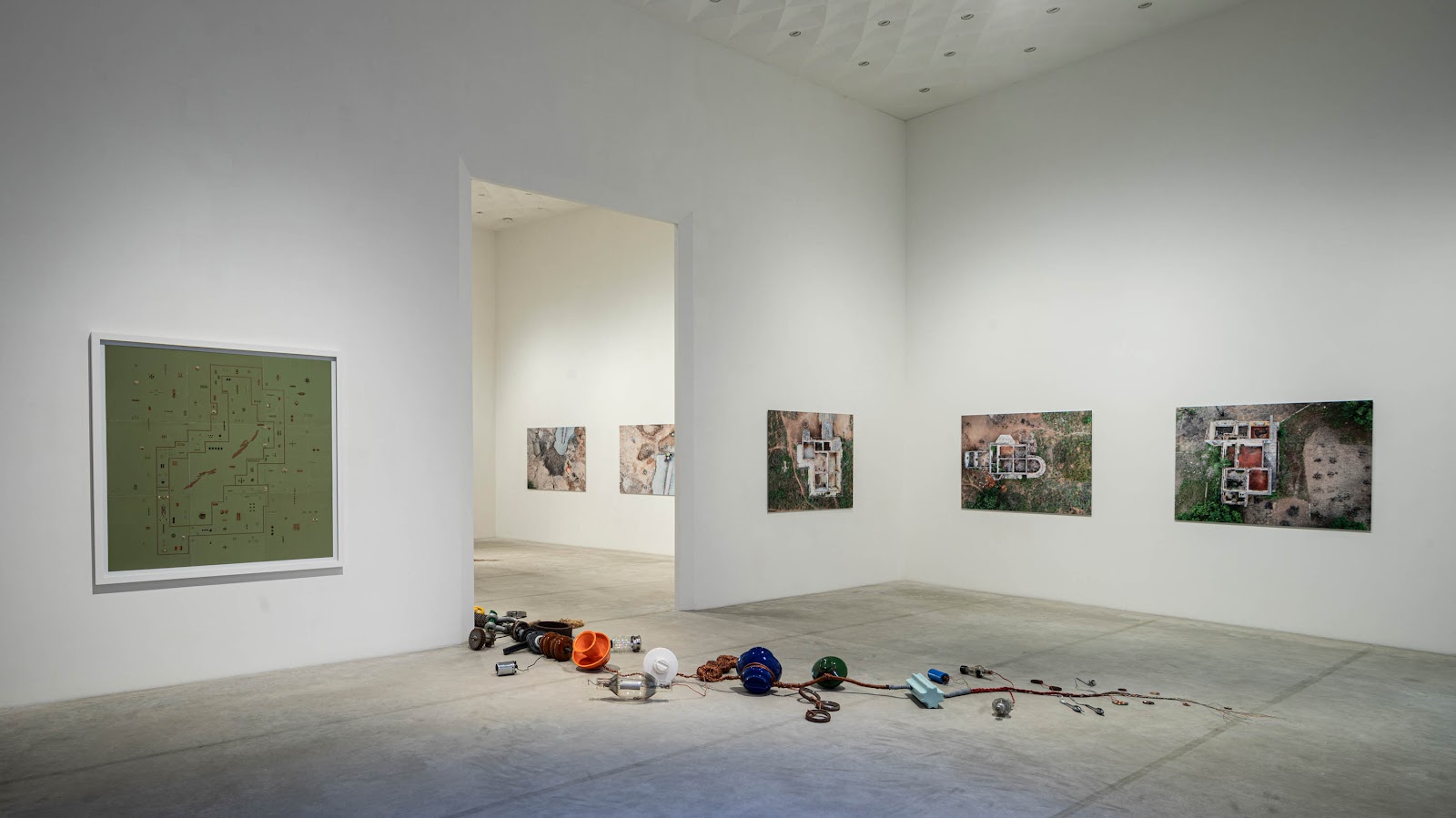
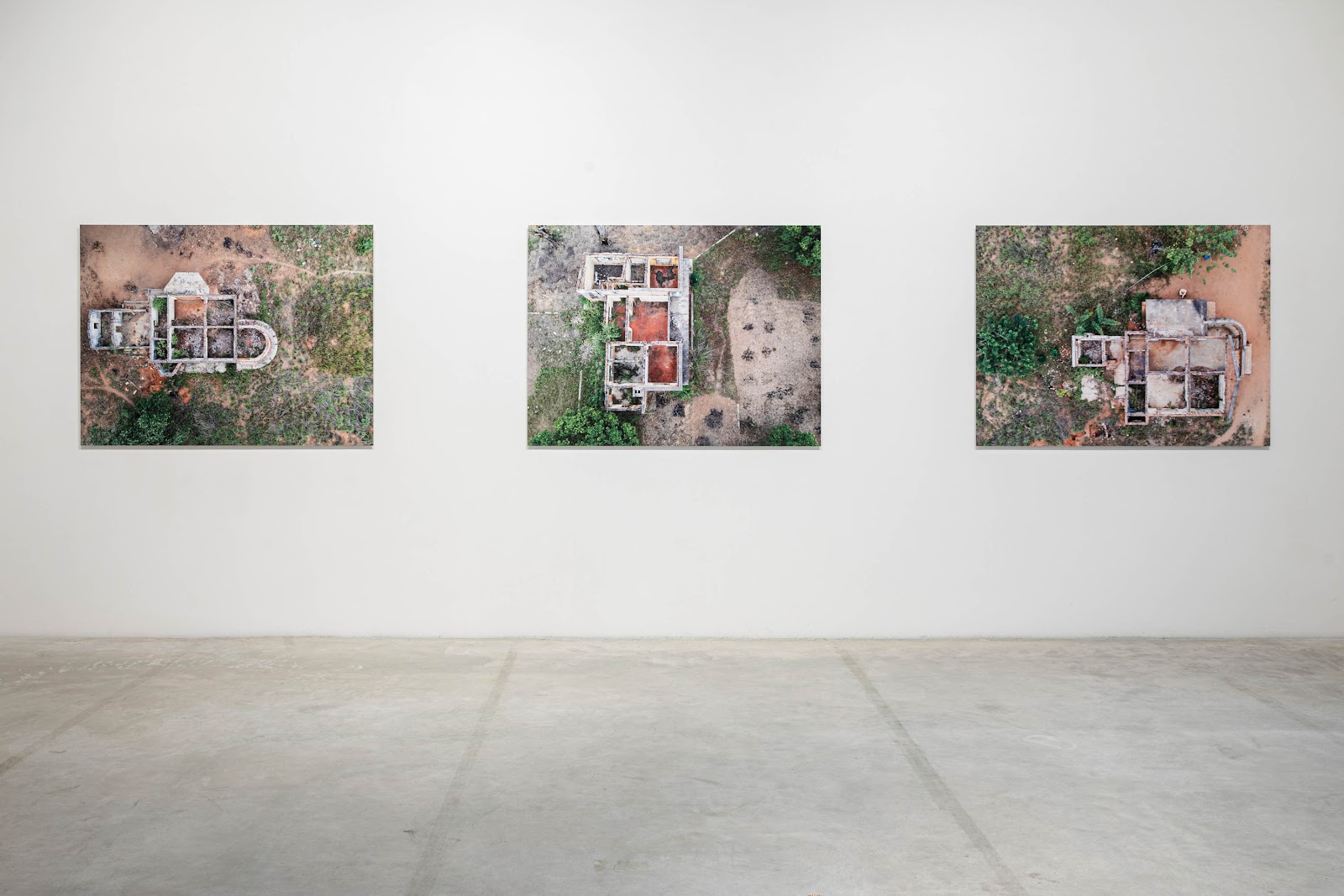
Historical context: Union Minière du Haut Katanga (later Gécamines) created a radical social experiment in the 1920s: forced family planning to break tribal structures and create a 'perfect mining workforce' called 'Tshanga-Tshanga' or 'The Great Equalizer'. Today, the same region faces new exploitation for lithium, essential for global green energy.