How a young pagan hunter became a Catholic priest
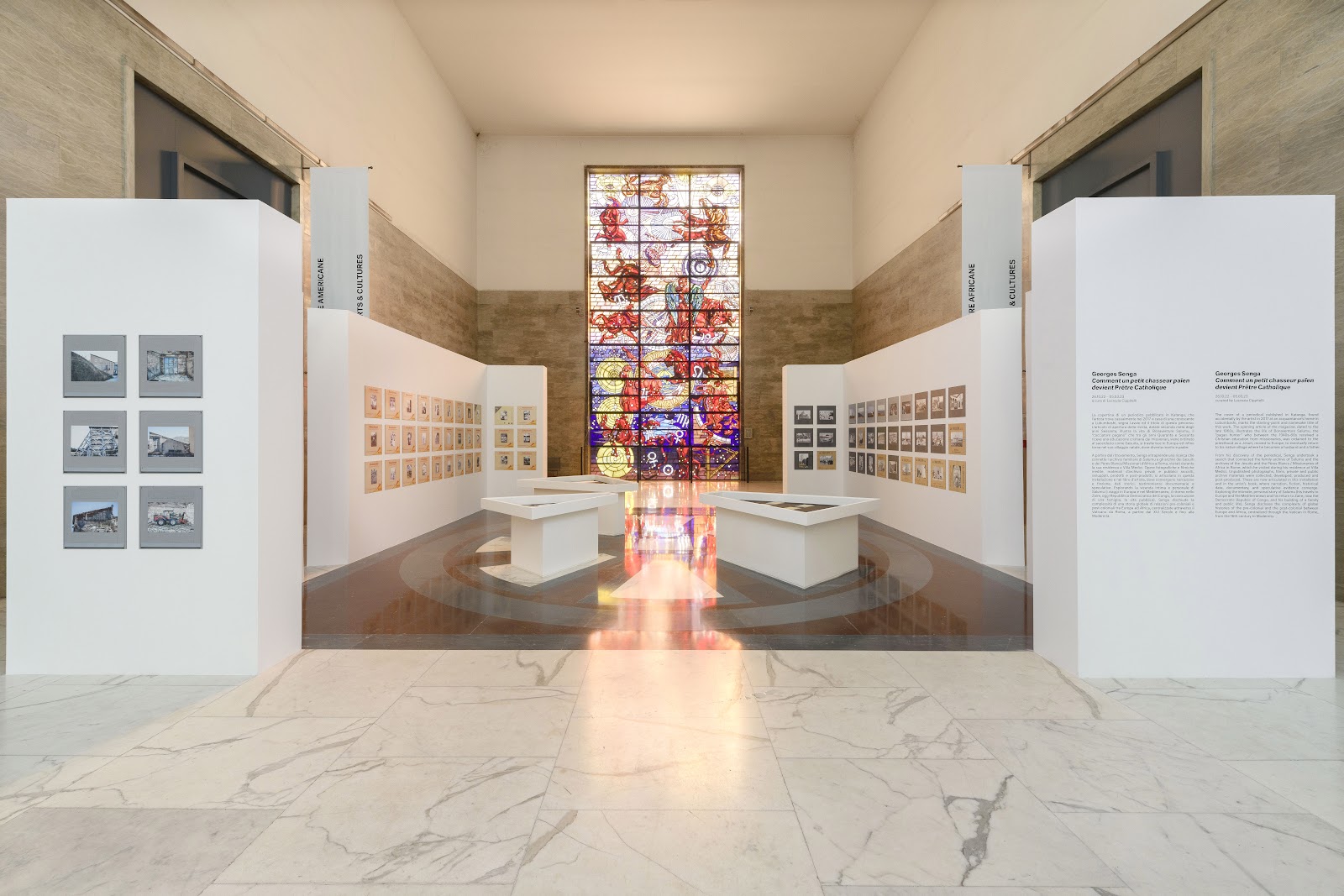
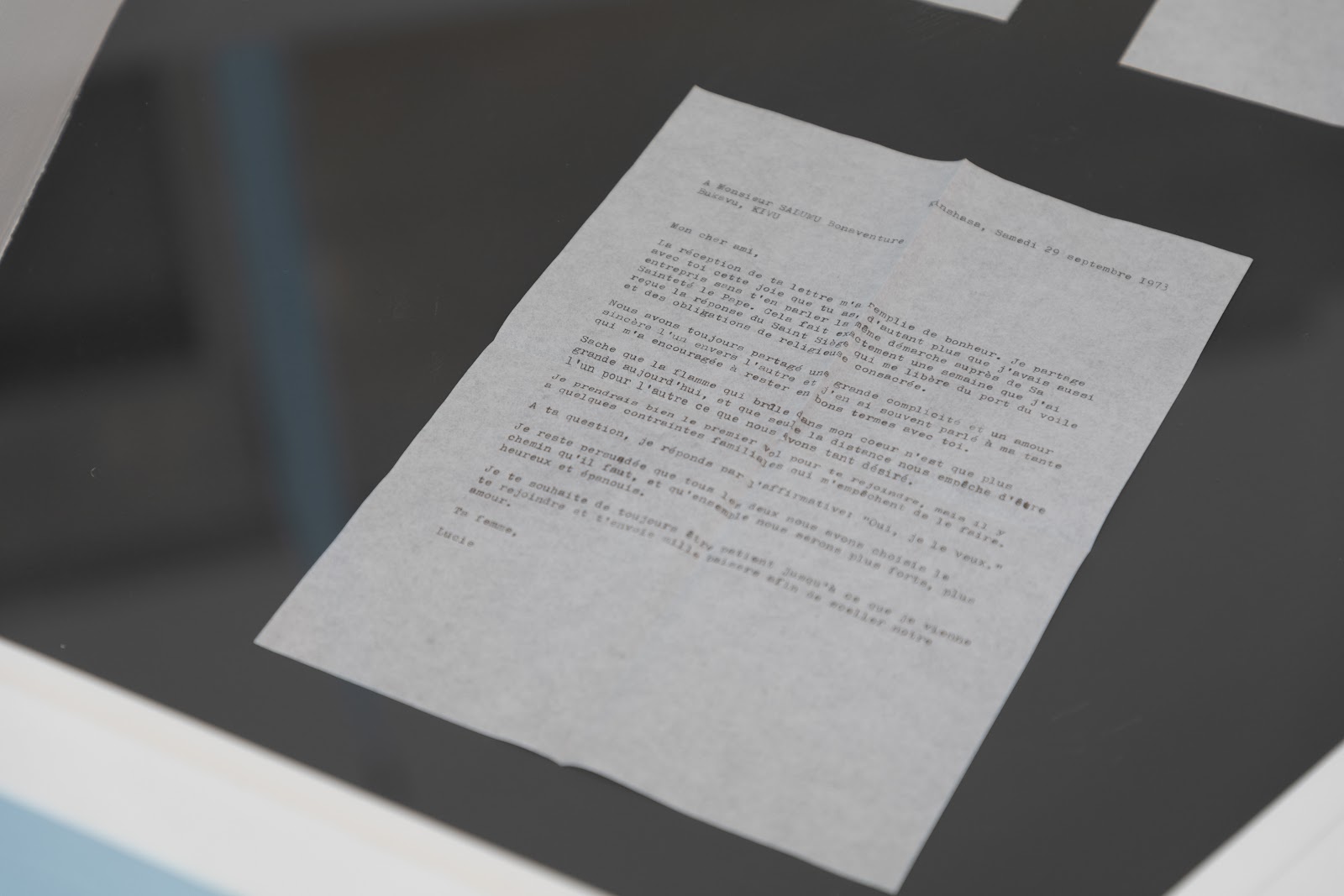
This research project was initiated in 2017 during the Lubumbashi Biennale (Lubumbashi, Katanga Province, Democratic Republic of Congo) in the family archives of Bonaventure Salumu, a boy from a village in the Belgian Congo who became a Jesuit priest. Images, texts, and documents recount Salumu's life, his travels, his life in Europe, and finally his return home and his new secular existence in postcolonial Zaire.
As a Colbert Fellow at the Villa Medici, French Academy in Rome, I developed the conceptual and artistic formalization of this long-term research project by working with the archives of the White Fathers "Missionaries of Africa" and the Jesuit congregation, both linked to the history of missionary work and the colonization of the African continent.
The title of this project comes from a photograph I found in the home of an acquaintance in Lubumbashi, my hometown. The photograph was a reproduction of the cover of a local newspaper, with an article entitled 'How a Little Pagan Hunter Became a Catholic Priest,' which recounted the biography of a Jesuit Catholic priest born in the Belgian Congo, who traveled the world and returned to his village. Along with the photograph, I found personal photos the priest had taken during his many trips to Europe and the Mediterranean, and a collection of slides with Belgian landscapes. I was very surprised: the acquaintance was the priest's daughter. Knowing that Jesuits take vows of chastity and obedience, I was immediately drawn to the life of Bonaventure Salumu, a man who left a province of the Congo, became a Jesuit, fulfilled his life by traveling to many countries, and finally became a family man in Lubumbashi after the country's independence.
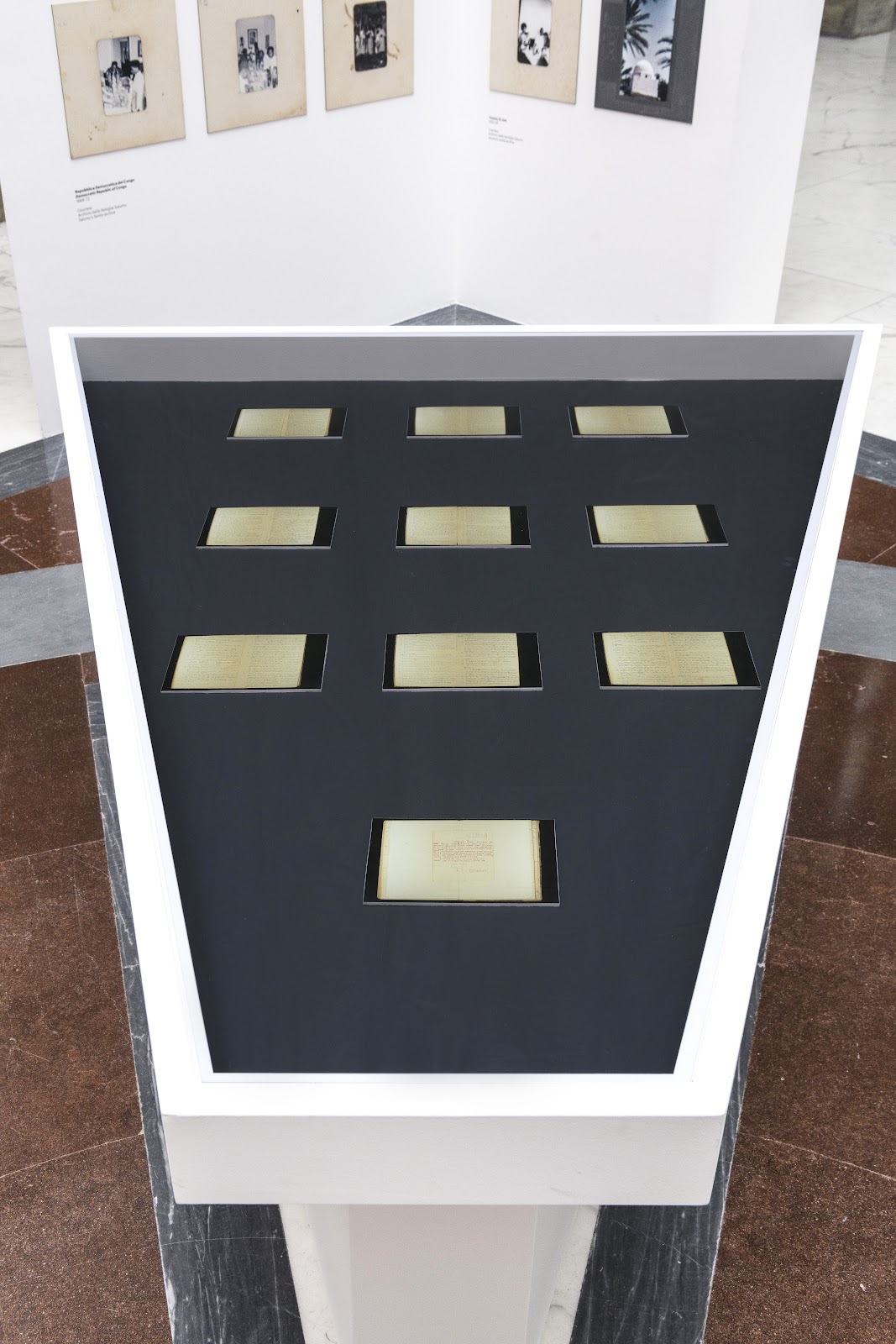
This first comprehensive public presentation of the research combines, for the first time in a site-specific installation at the Museo delle Civiltà in Rome and with the release of an artist's book published by Kunstverein Publishing (Milan), all the documentation collected and produced by Senga over the past five years. Interweaving private stories and public events, the work reveals, through the narration of this incredible, yet minimal and individual life story, the history of the Kingdom of Kongo / Belgian Congo / Zaire within its global context: an area that had been linked to Europe since the pre-modern era by the trade and diplomatic exchanges of Portuguese sailors, and was therefore crucial to the religious and political networks of the early modern Atlantic.
The two congregations that marked Salumu's life during the decades of the Belgian colony embody the legacy of pre-modern times, during which Rome appeared not only as the capital of Western Christianity but also as the centre of a global network linking Africa and Europe through evangelization even before the start of the Atlantic slave trade and subsequent European colonies in Africa.
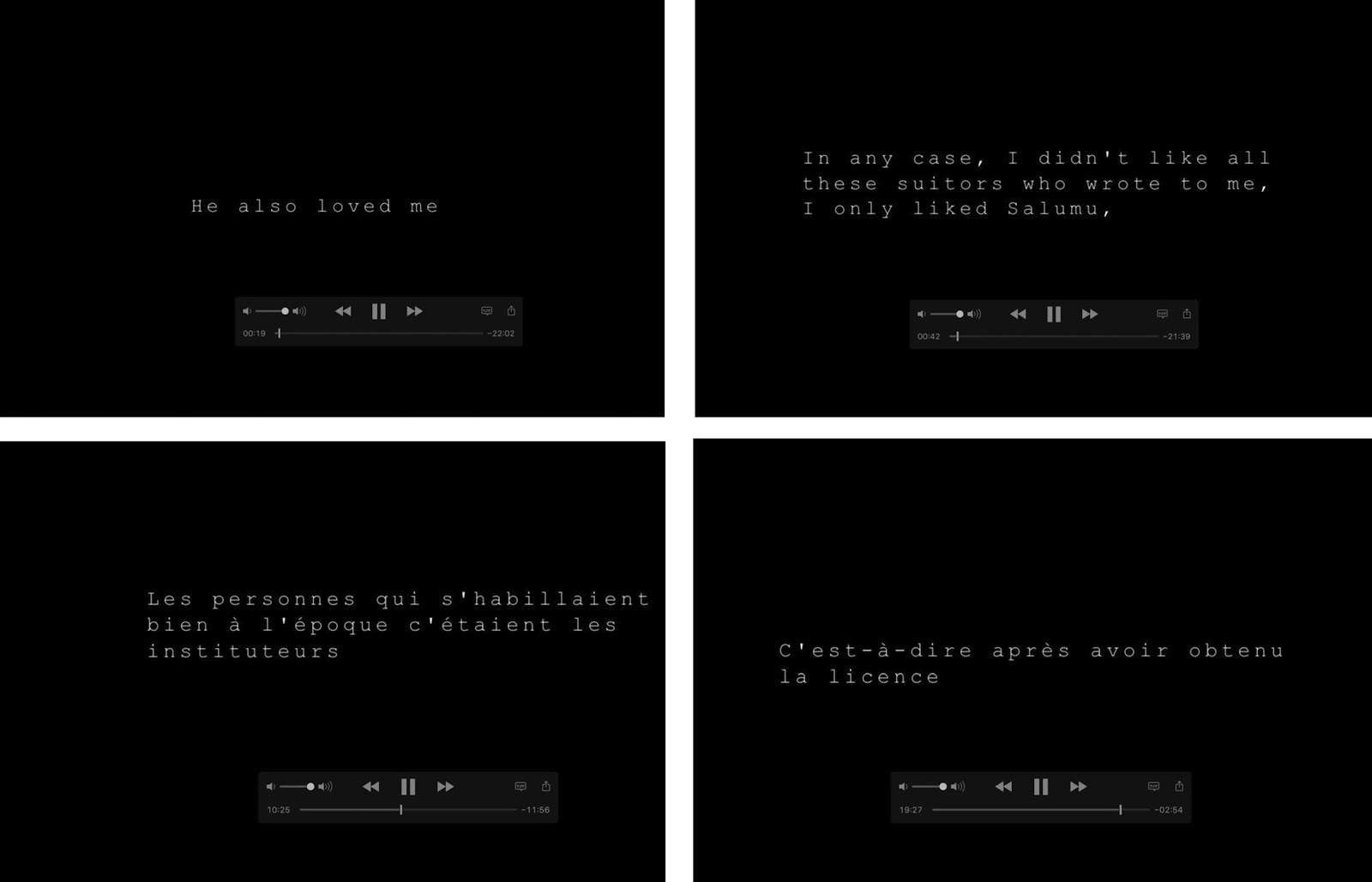
In July 2021, the first partial public presentation of this research was part of the final exhibition of the Villa Medici fellows (ECCO, June–August 2021). The Recovery Plan in Florence (September 2021) hosted me for a residency and a research exhibition for the opening of their new space, with a focus on documenting Bonaventure Salumu. In October 2022, the 7th Lubumbashi Biennale, Toxicity, hosted a screening and performance that highlighted excerpts from the texts and some of the iconographic material included in the artist's book.
Installation Views

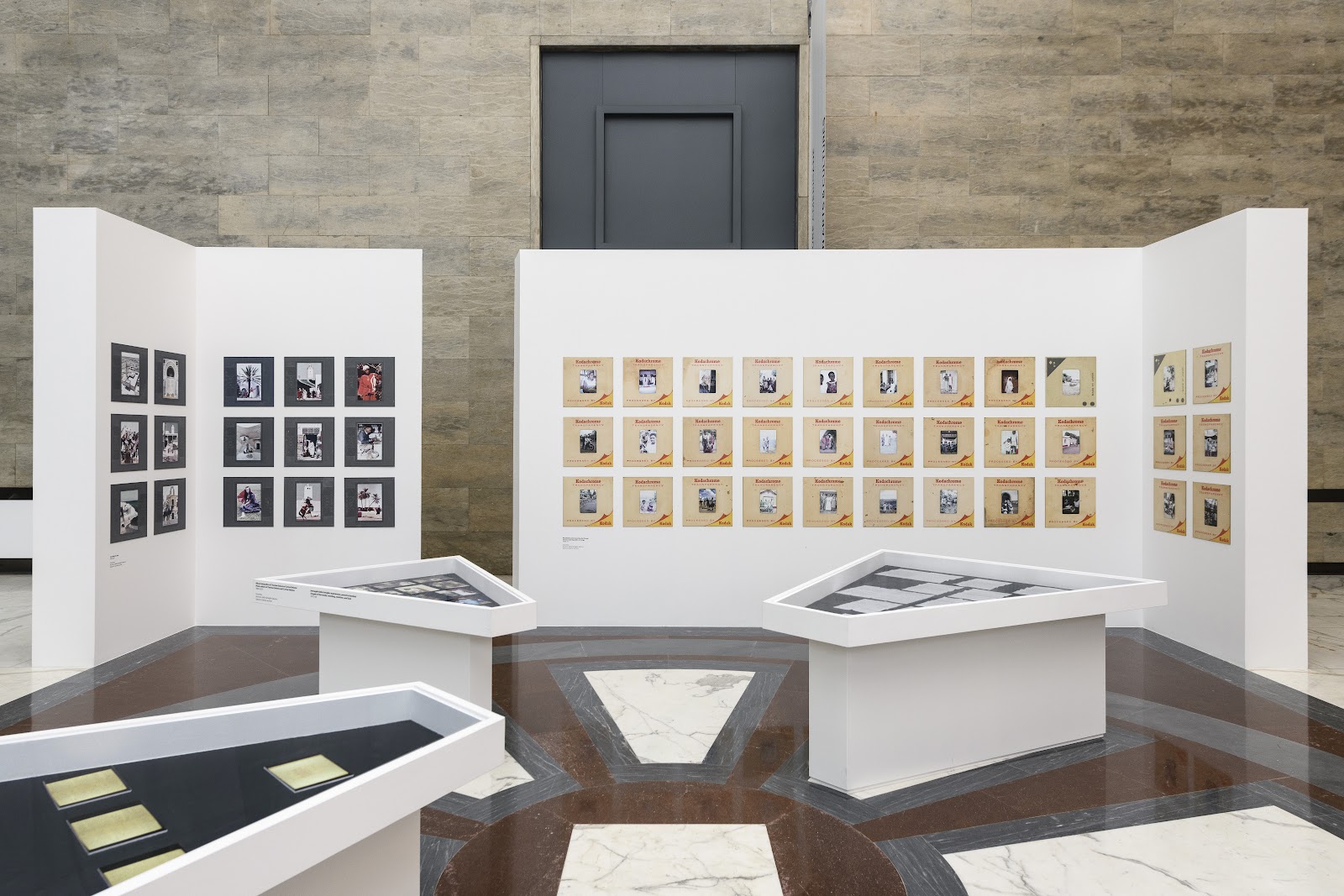
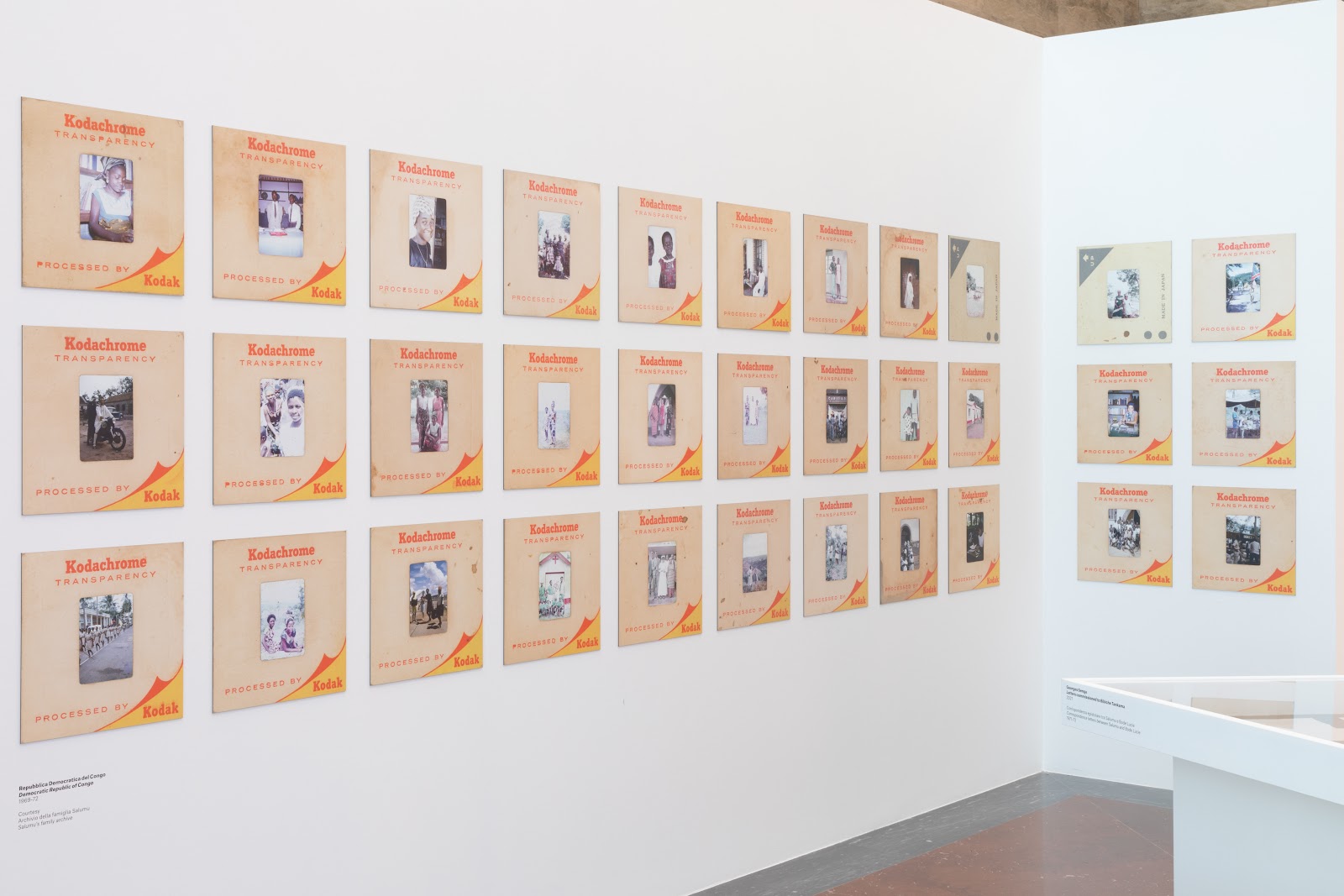
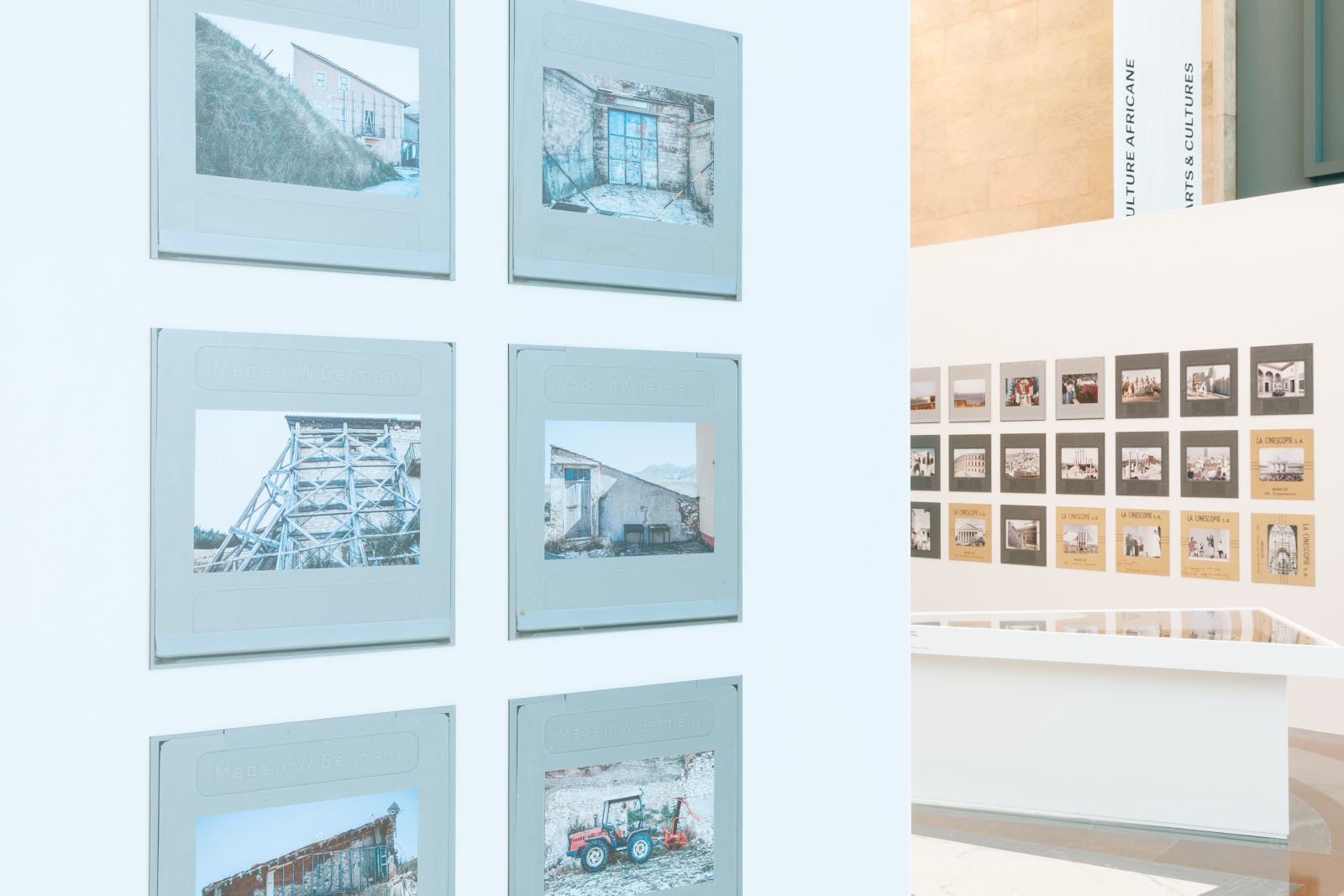
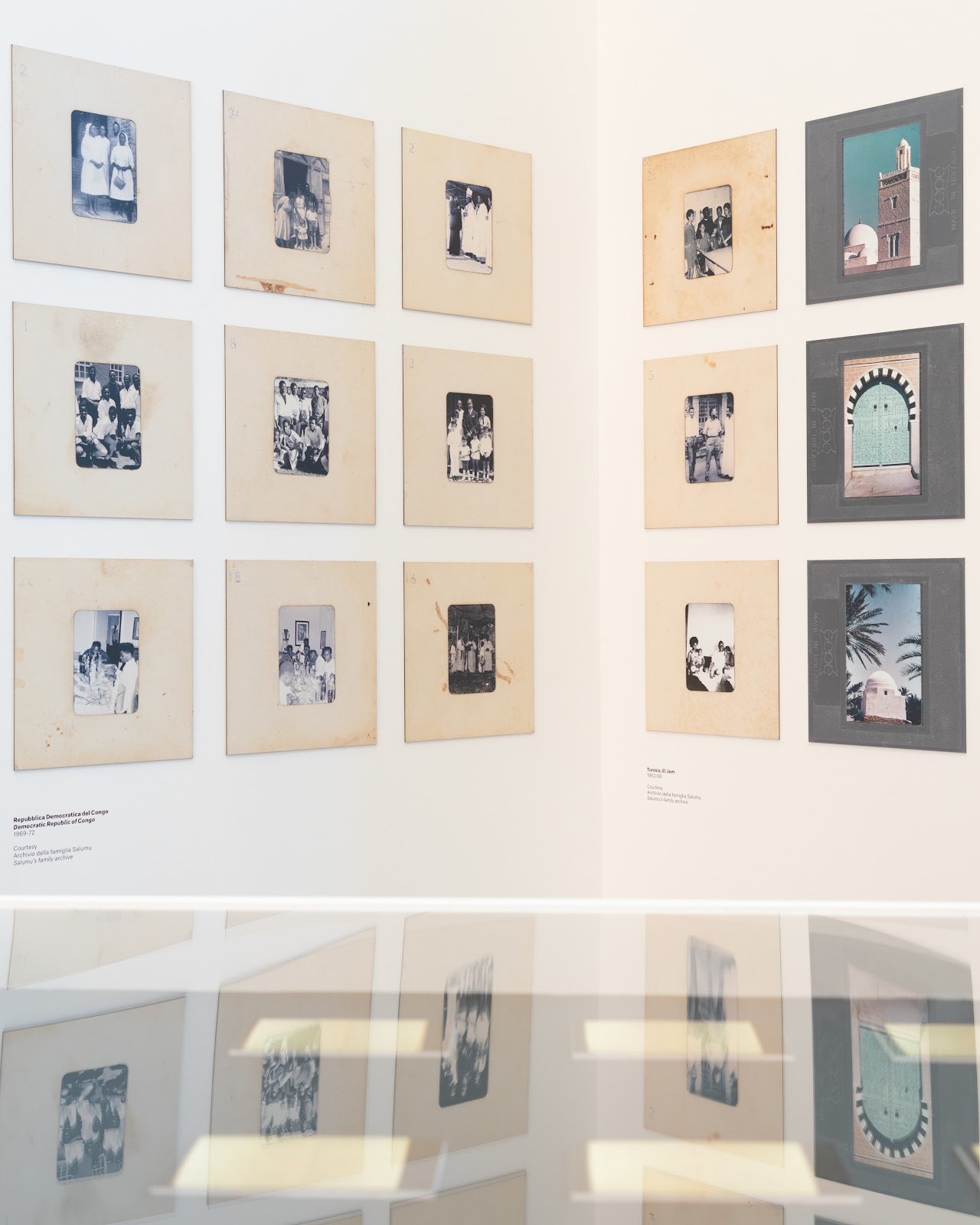
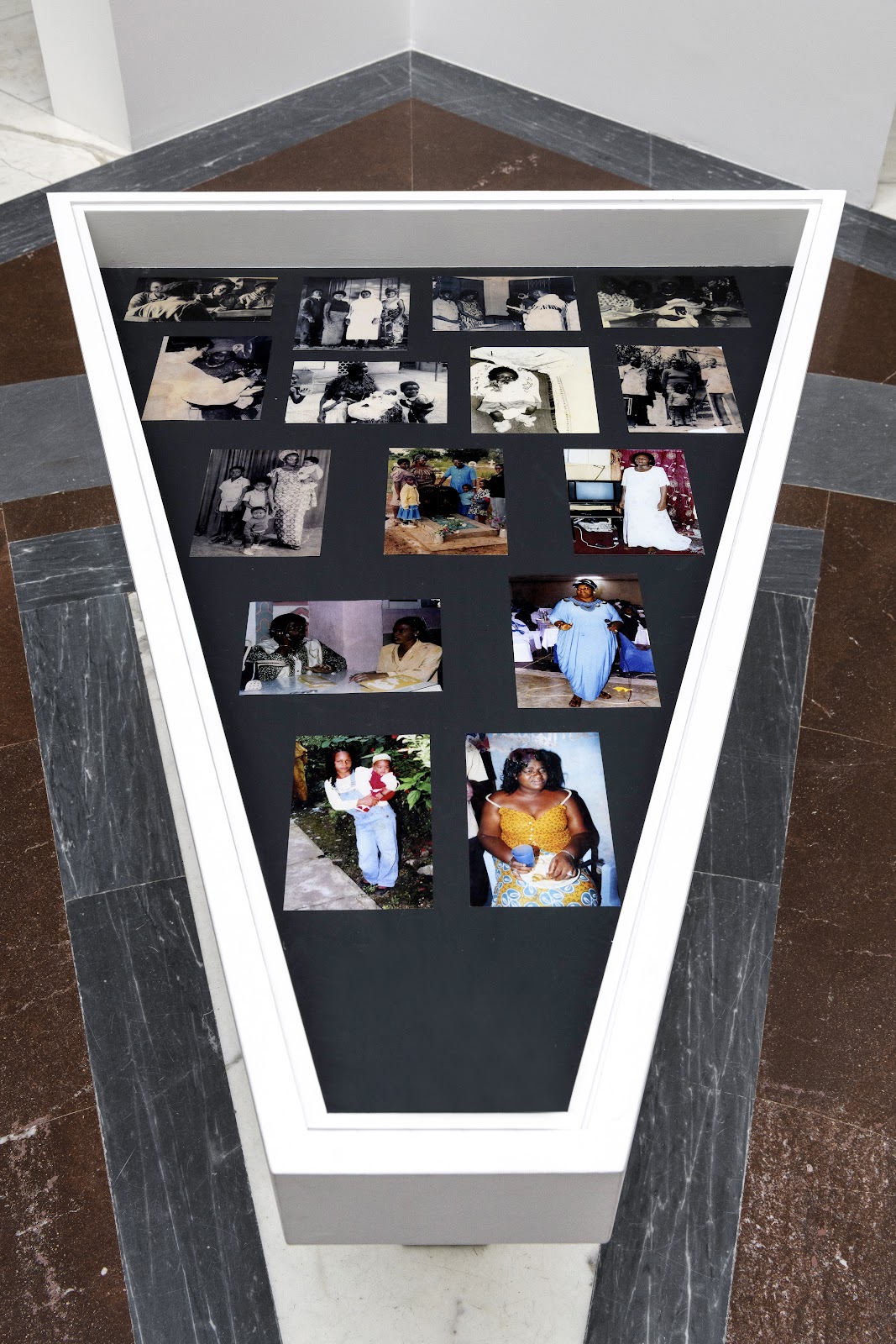
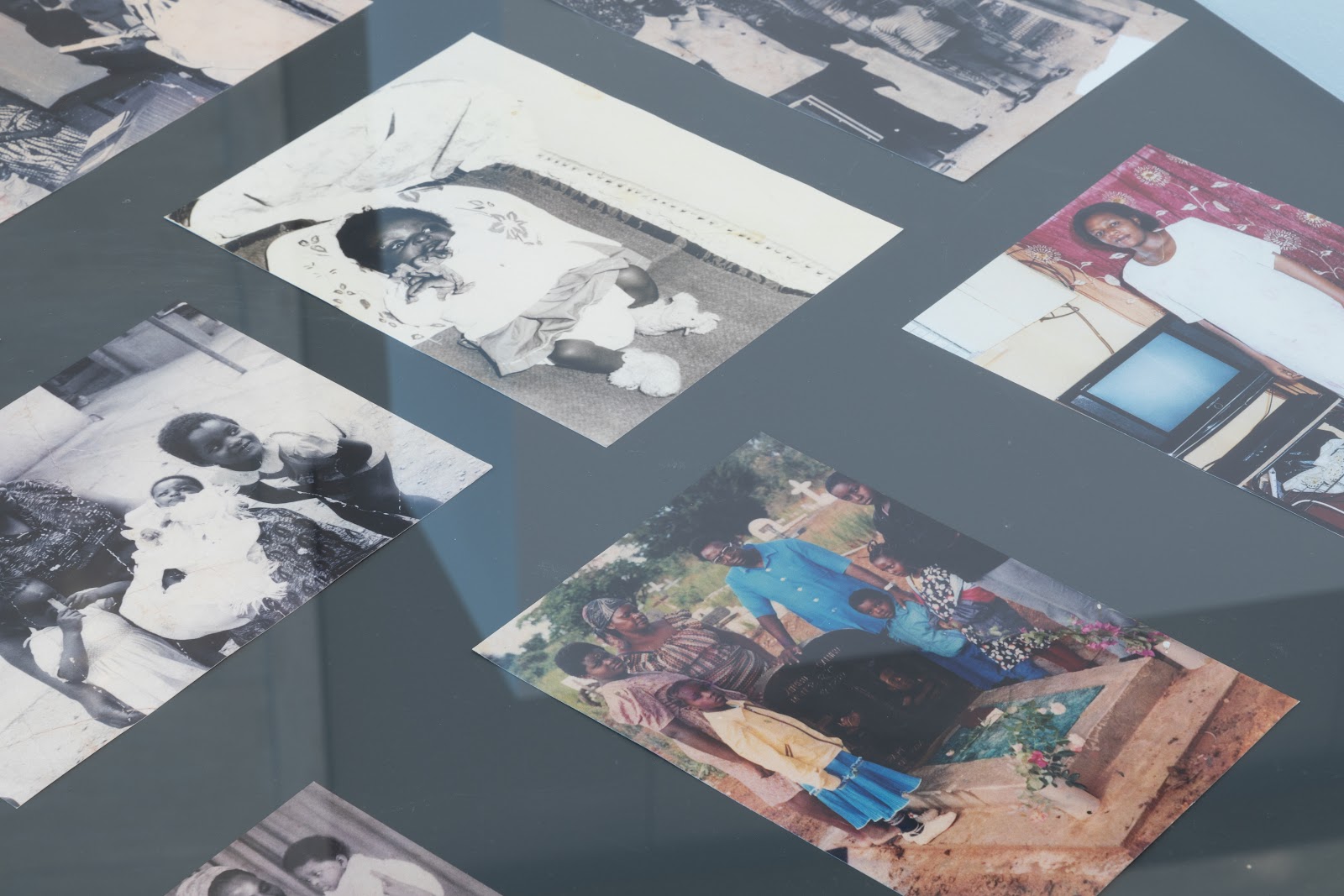


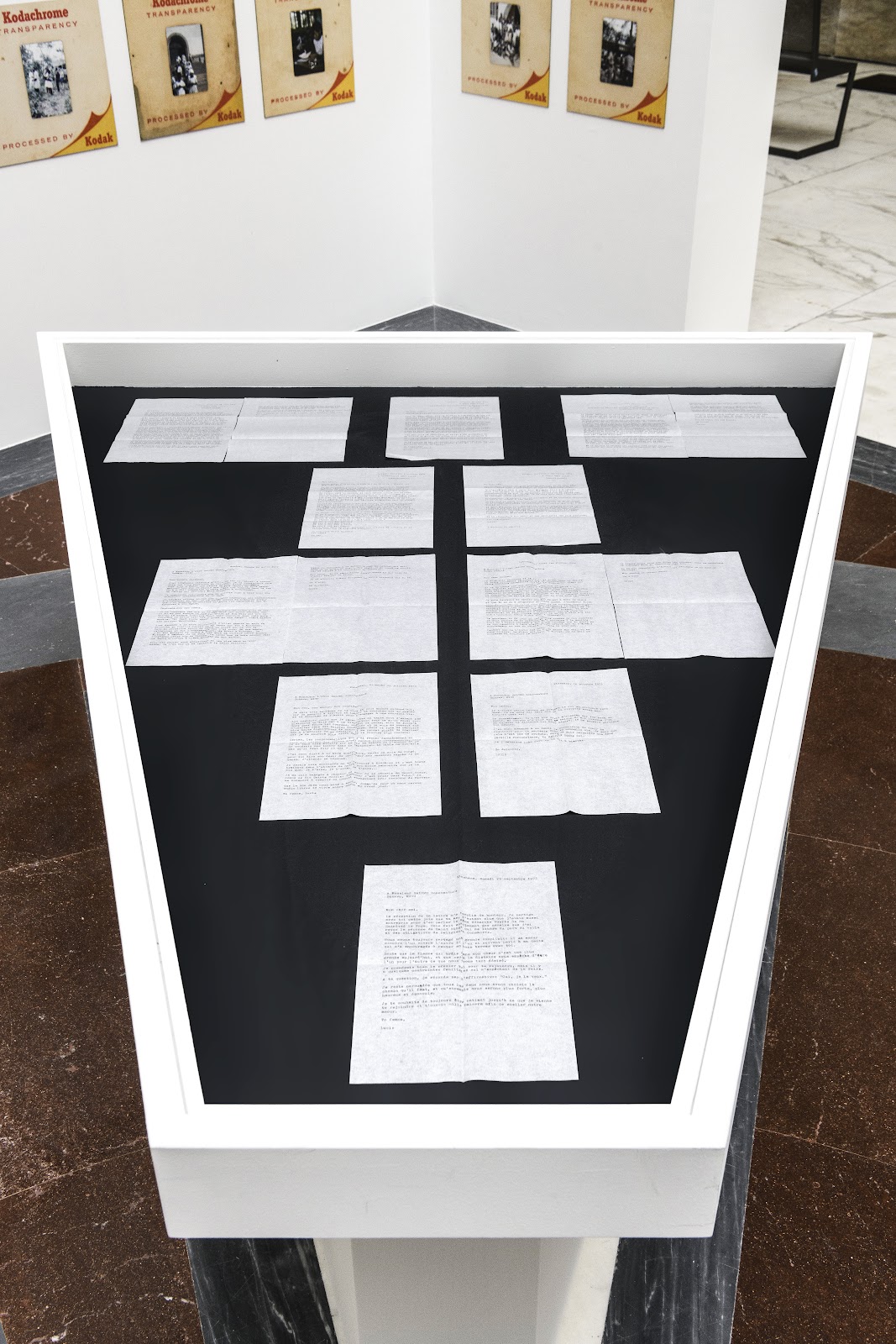
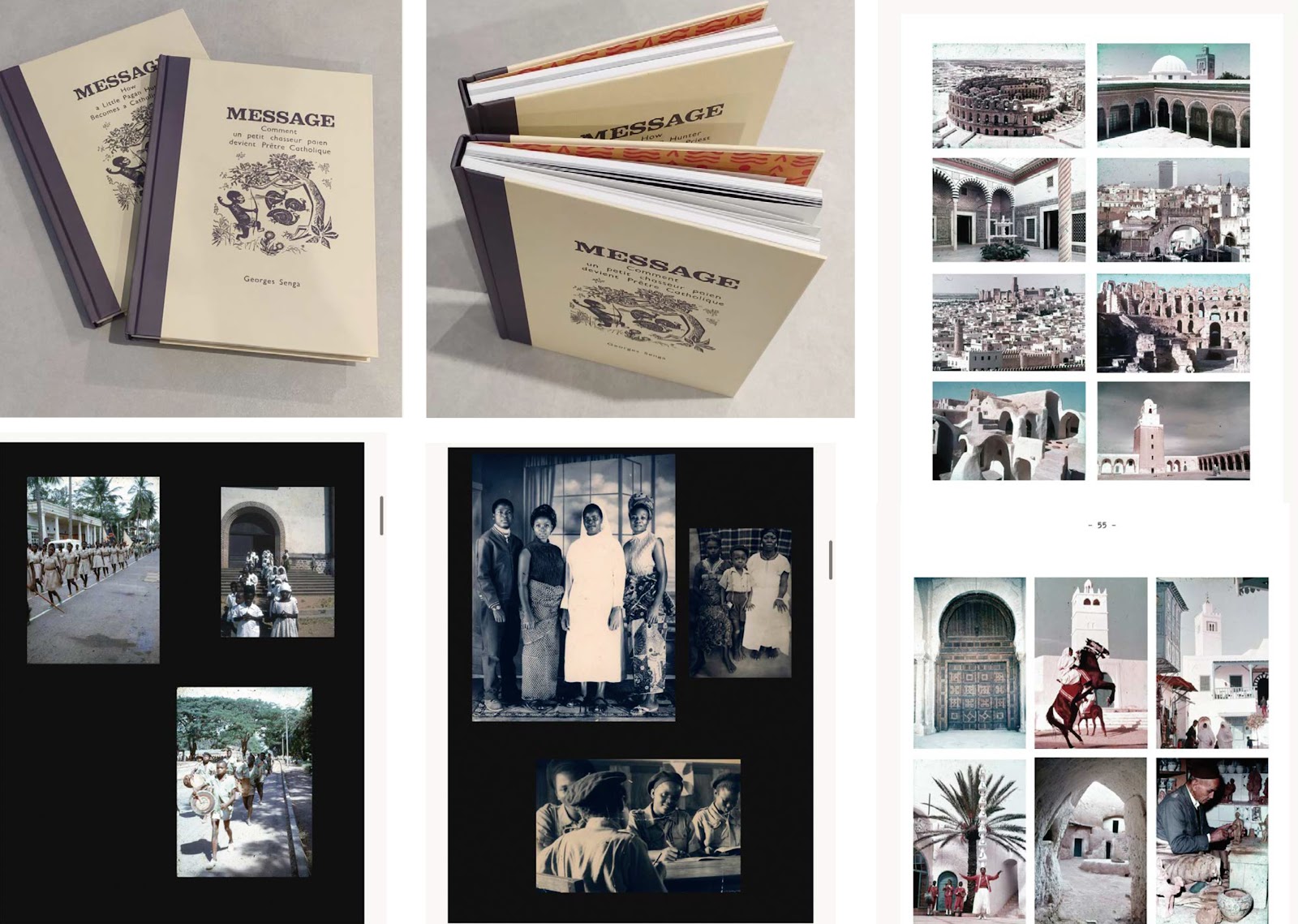
Artist book: "How A Little Pagan Hunter Becomes A Catholic Priest" published by Kunstverein Publishing Milano, 2022. Texts in English and French. Includes documentation collected and produced over five years of research.