Money Make The World
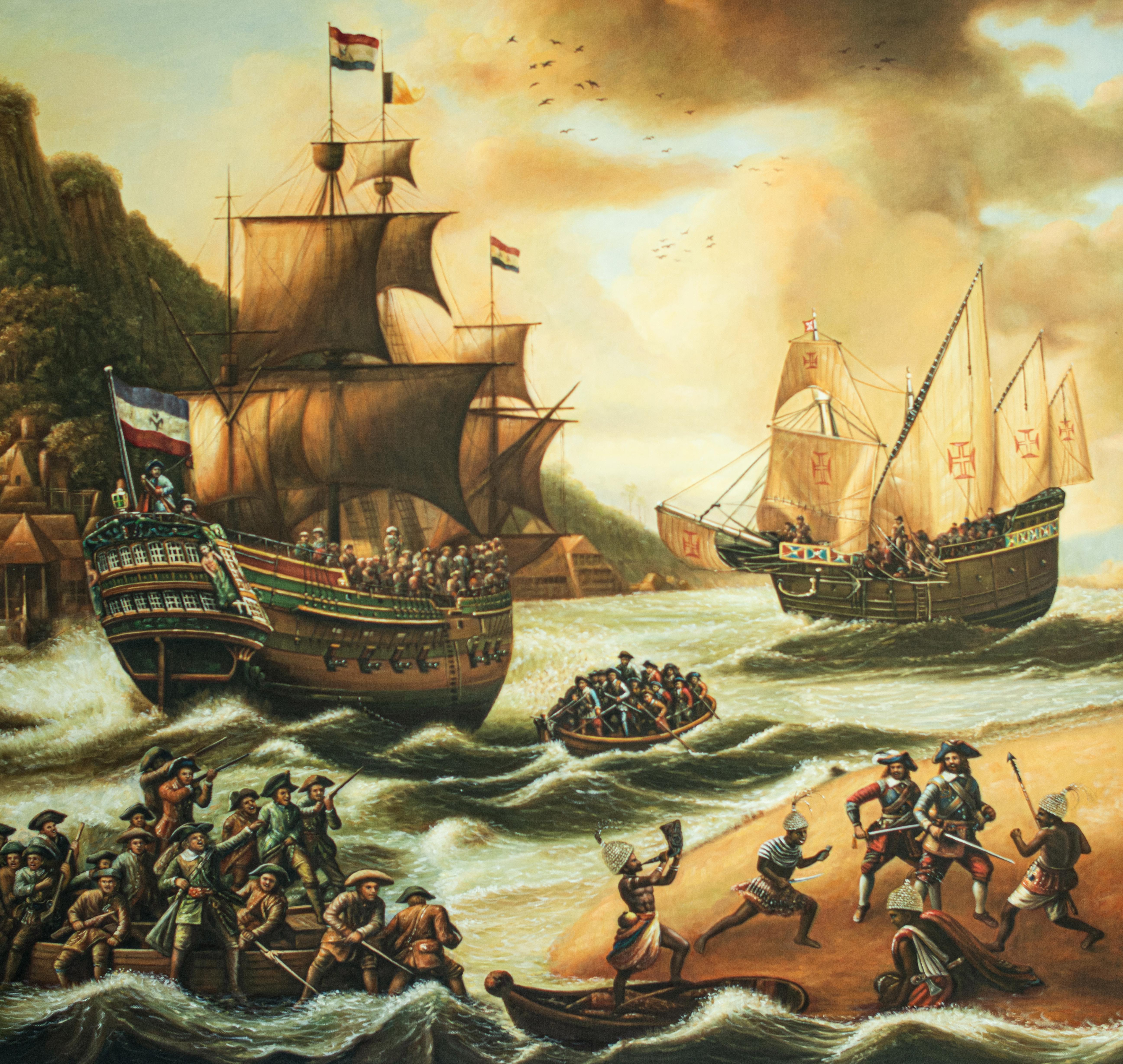
Historical Context
Formed in the late 14th century, the Kingdom of Kongo was a powerful kingdom in Central Africa. It extended from parts of what is now the Democratic Republic of the Congo, Angola and Gabon. In the 17th century, the Angolan-speaking part of this kingdom – present-day Luanda – was invaded by Portuguese forces, who would ultimately establish colonial rule of the kingdom lasting into the 20th century.
However, Dutch forces would occupy Luanda from 1641 to 1648, seizing the territory in Angola through agreements with the Kingdom of Kongo that offered protection from the Portuguese. The period was an important stage of the Dutch-Portuguese War: a series of naval, land, and colonial conflicts that pitted the interests of the Dutch West and East India Companies (WIC and VOC) against those of the Portuguese overseas trading empire for almost a century. These seven years of cohabitation between the Dutch and the people of Kongo resulted in various forms of exchange and commercial mobility, including enslaved labour and Kongolese objects which can be found in the Netherlands today.
Objects tell a story: a past, a culture, an encounter
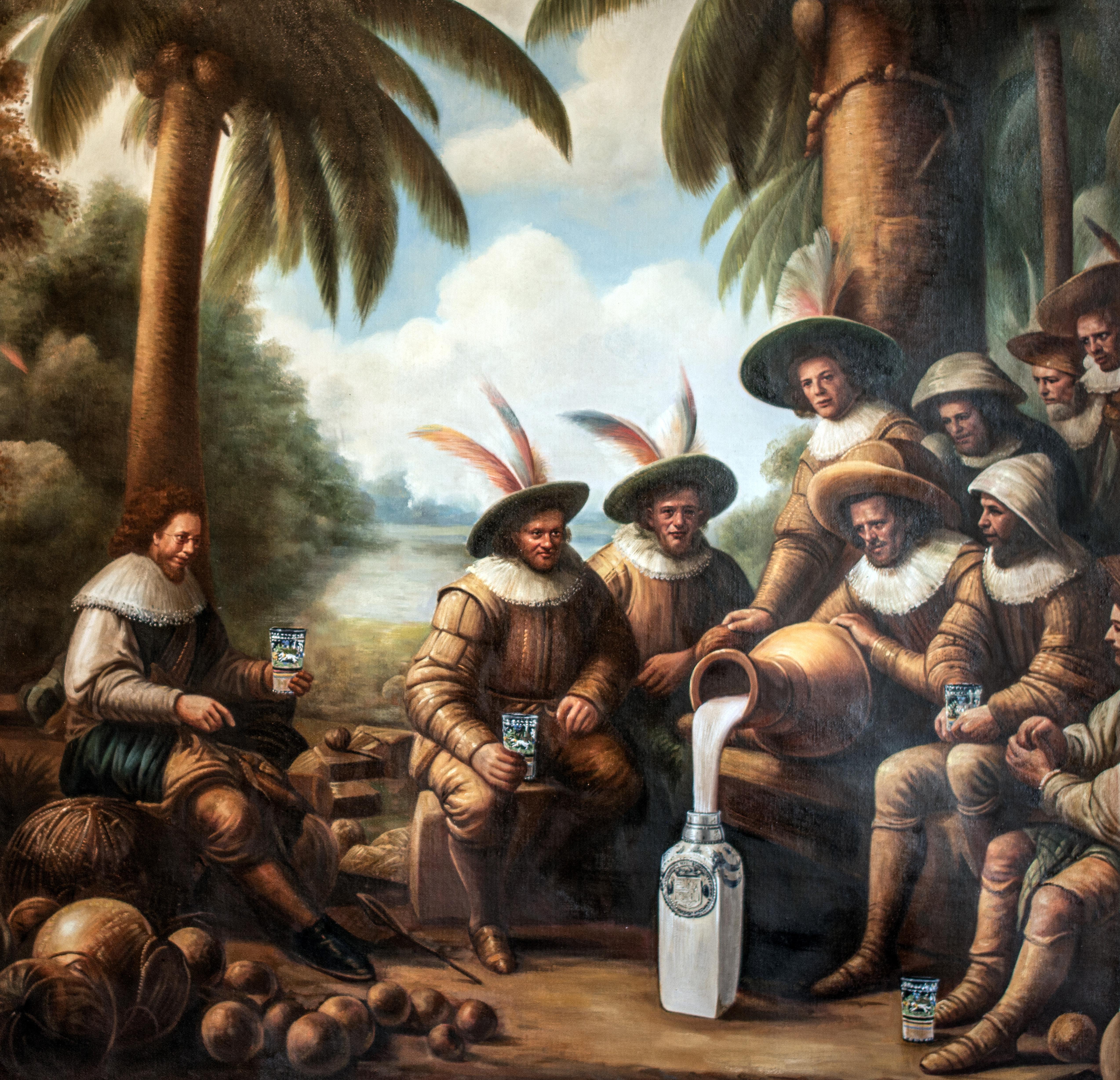
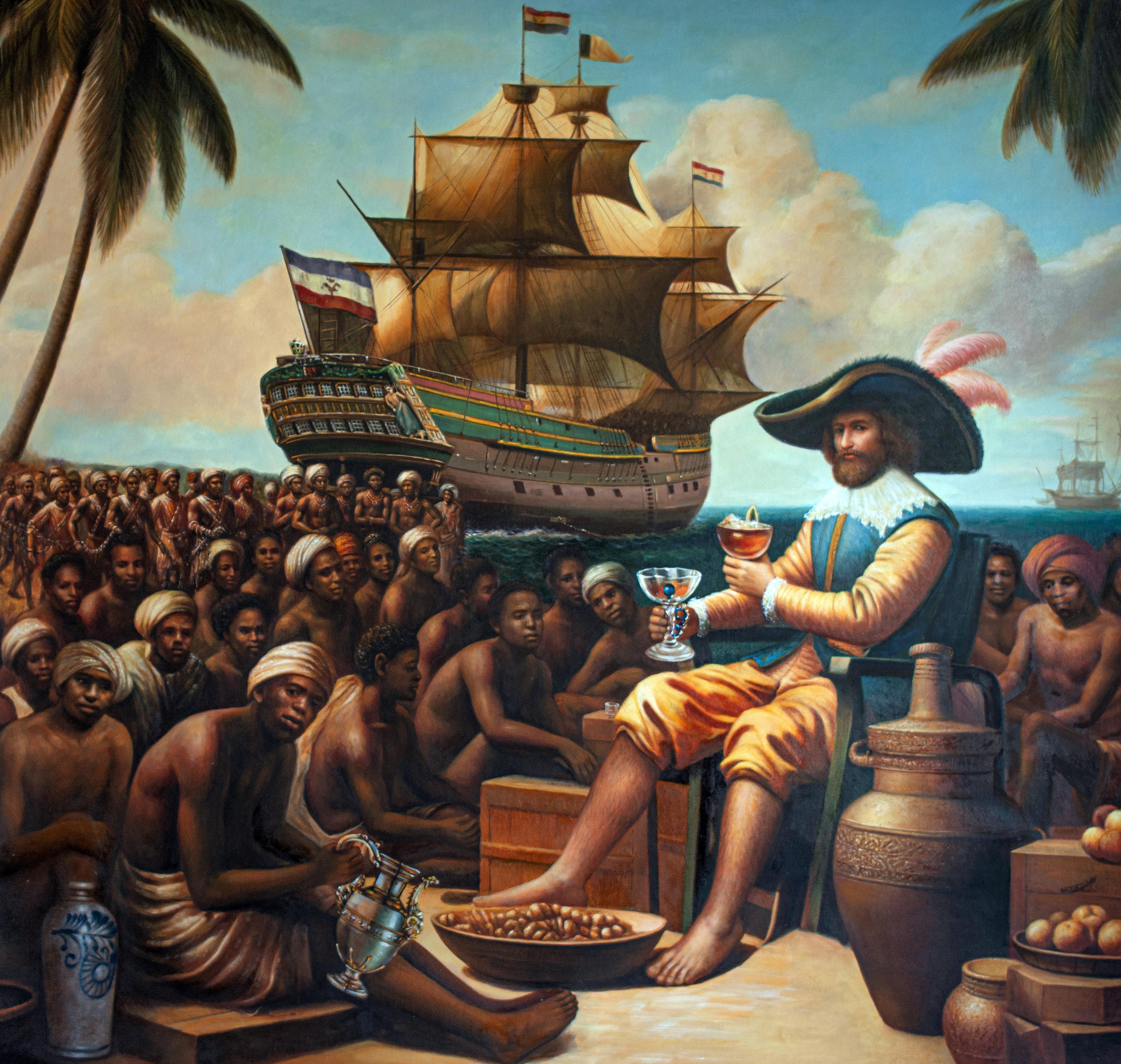
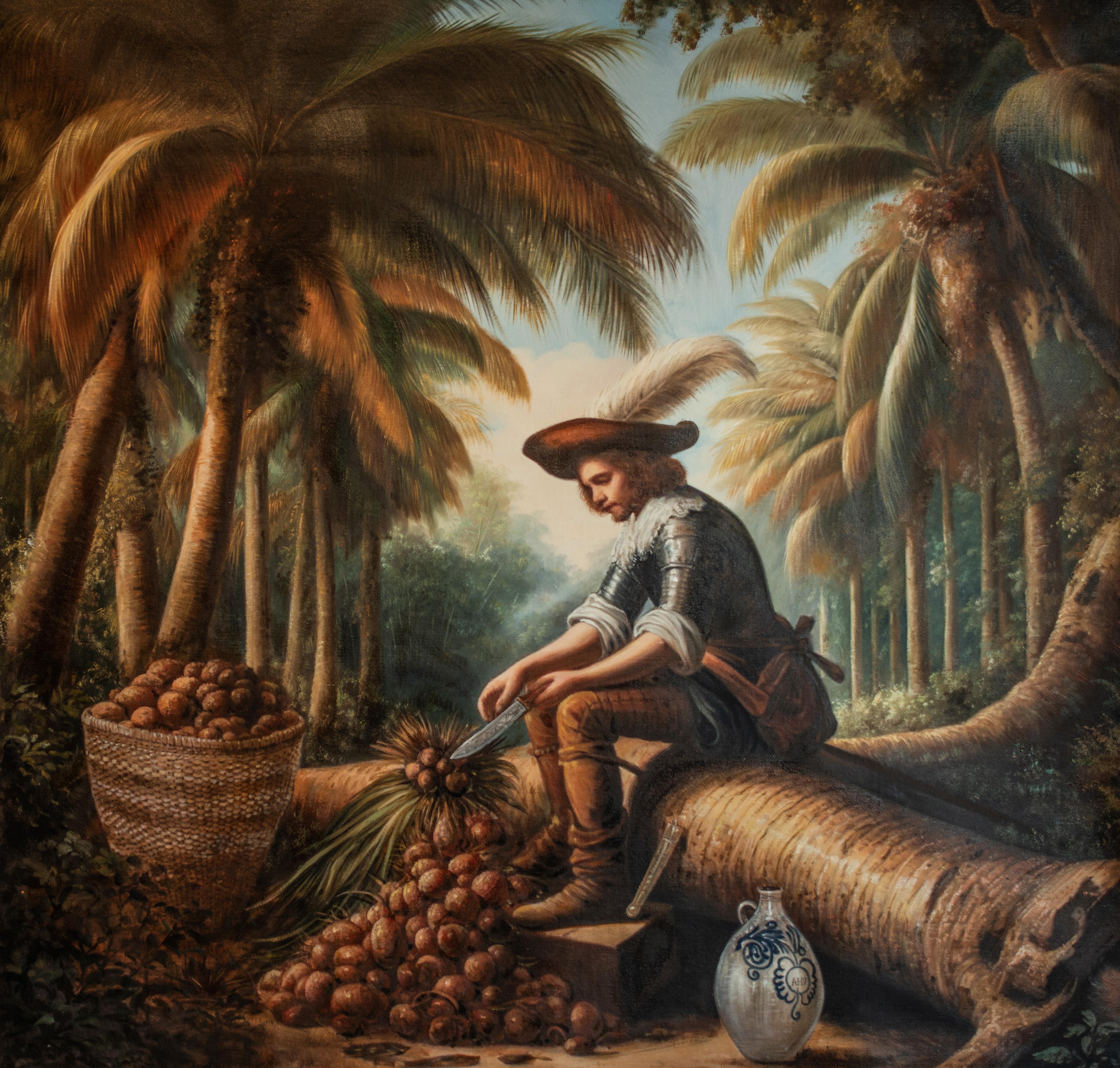
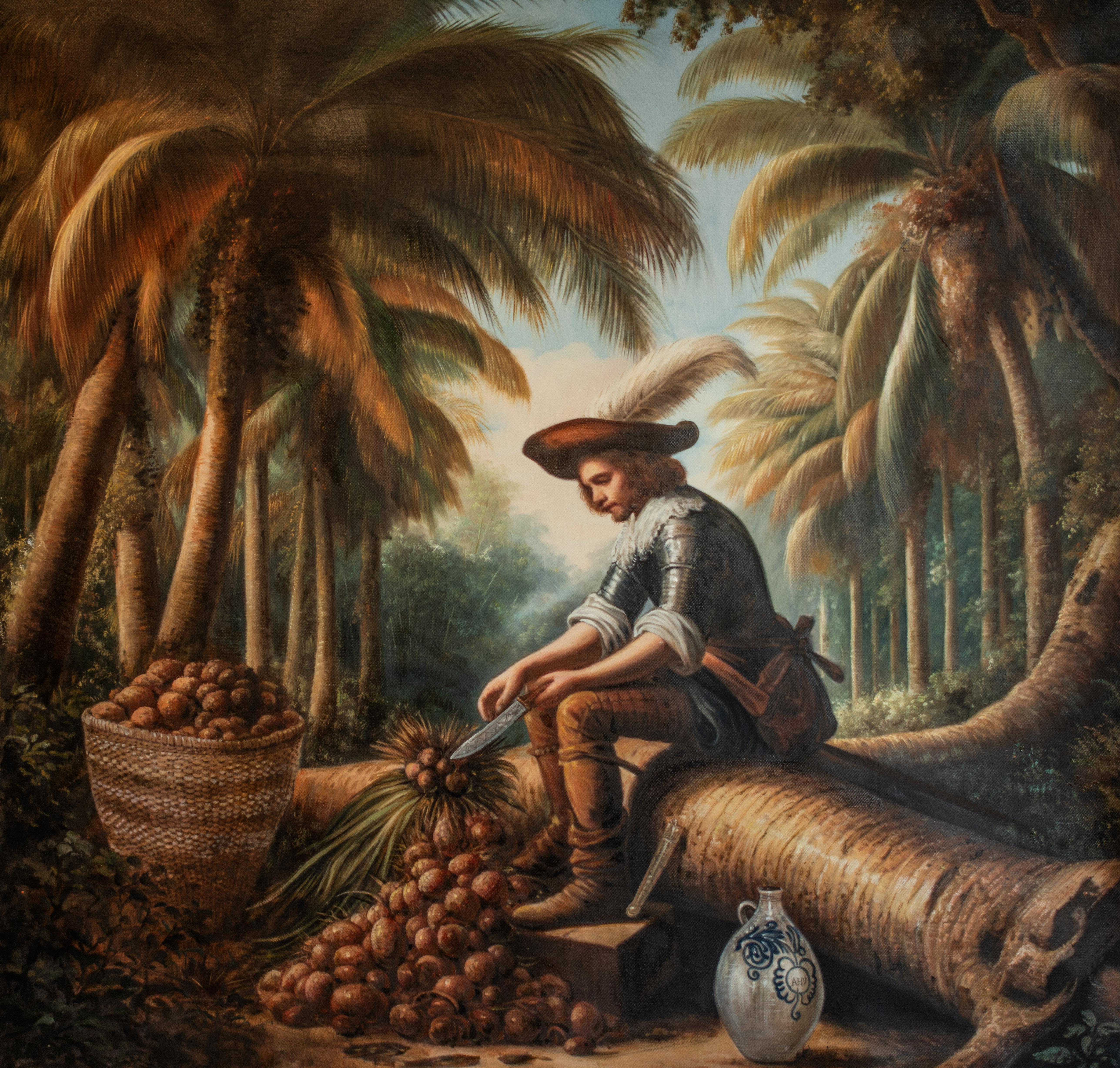
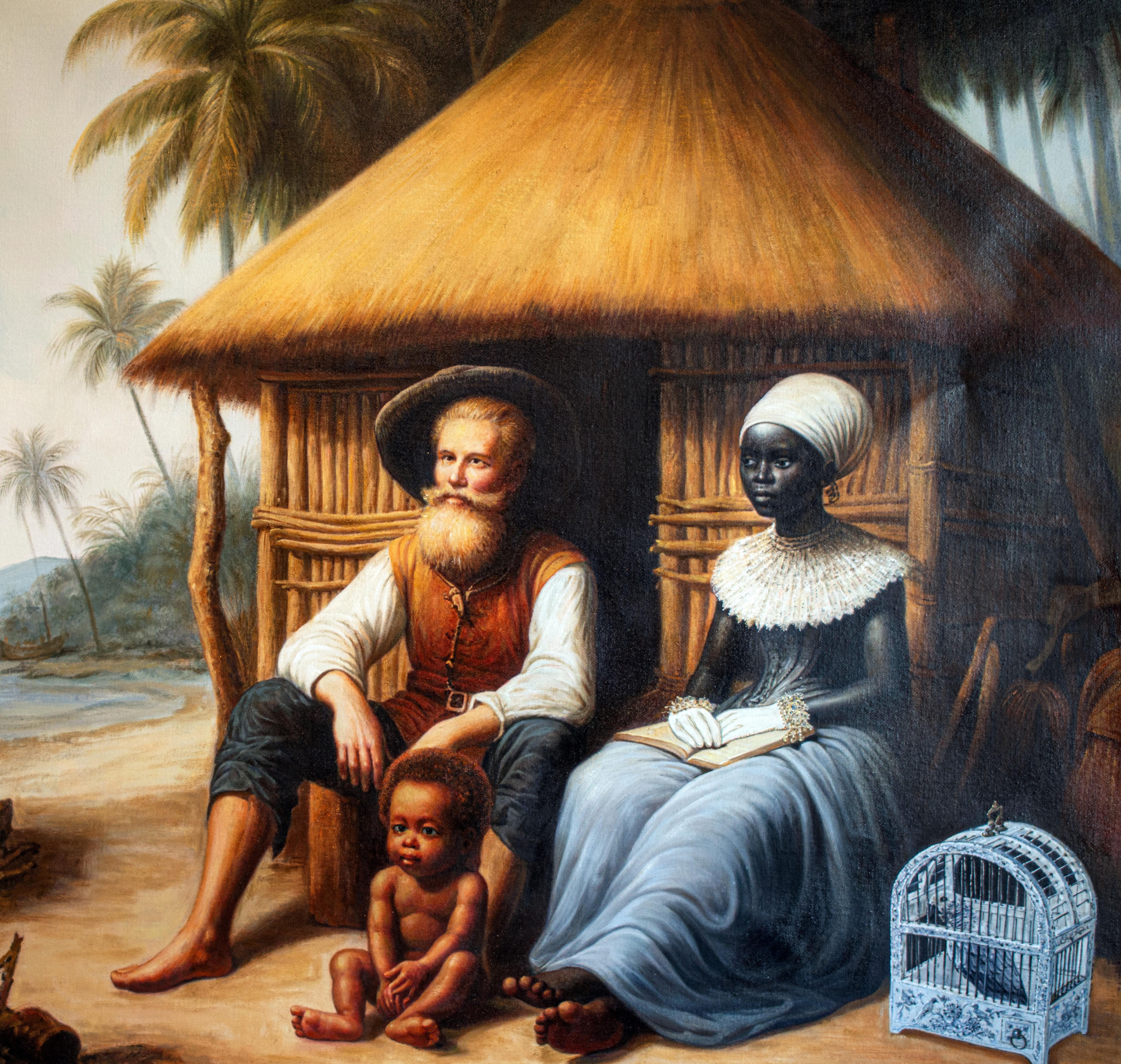
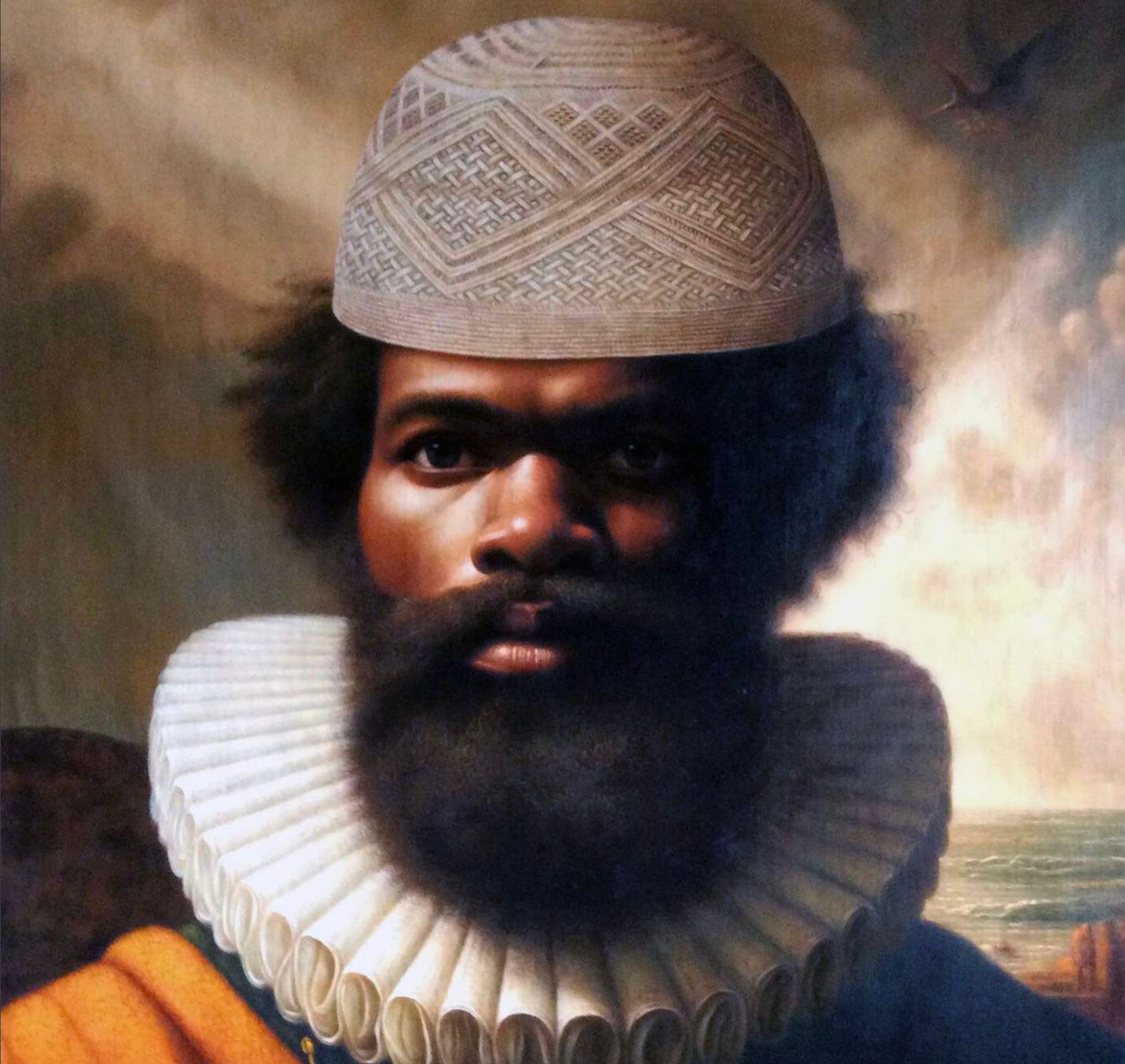
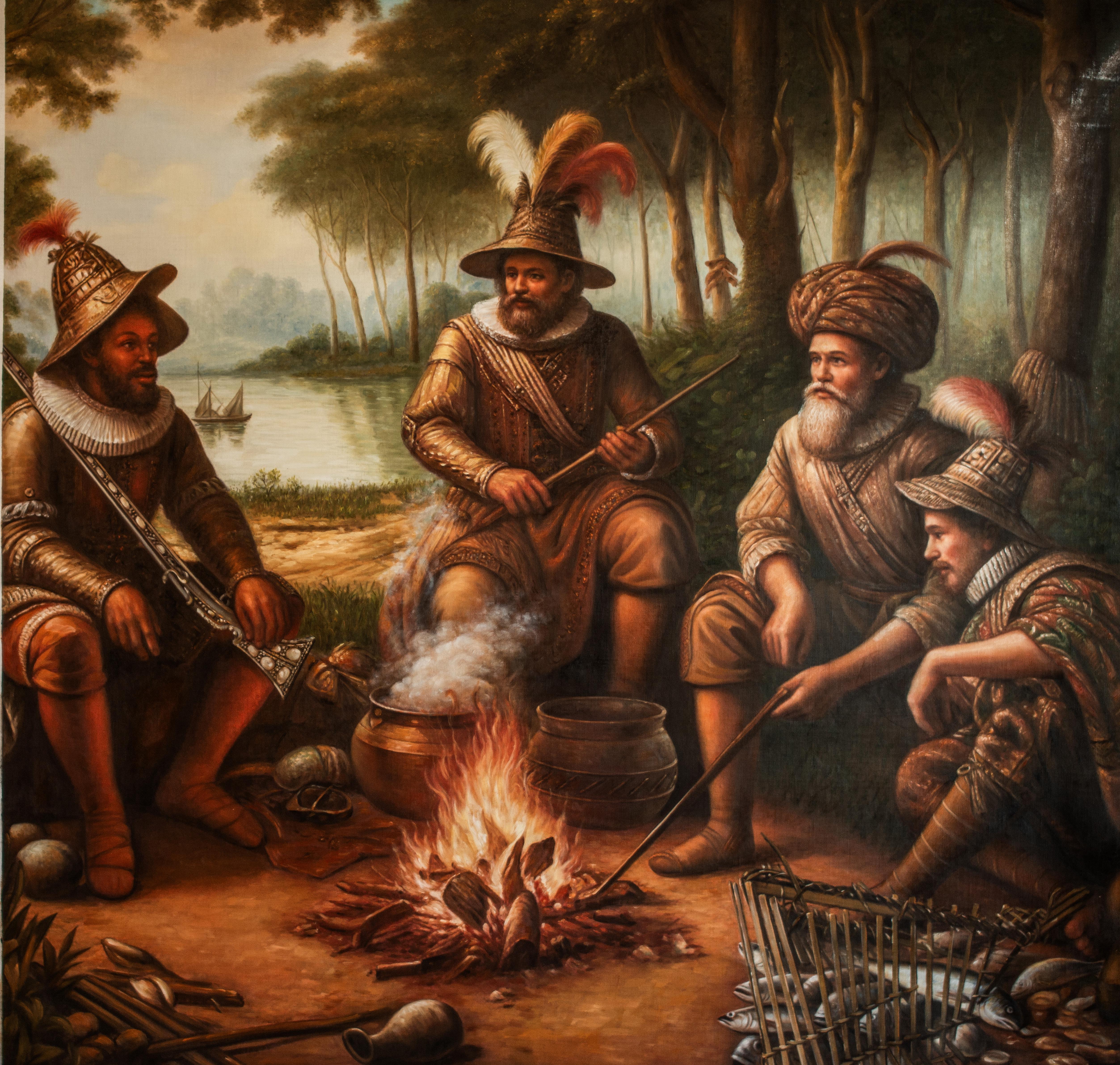
The collections of the Wereldmuseum and Rijksmuseum, which may have had a direct connection to the Kingdom of Kongo, tell of a past not represented in histories of painting. In this project, I connect objects found in these collections through real and imagined facts, to create a path through the missing visual documentation of the Dutch presence in the Kongo Kingdom between 1641 and 1648.
The provenance or origin of the selected objects identified by the museums played a major role in creating a narrative around them. In the process, I was challenged to travel through time as an artist to better understand history. But building the story through my own imagination was not enough to materialise a narrative. I felt drawn toward questioning my creative process through other tools. A highly questionable tool was becoming more popular around the same time that I began the research: artificial intelligence (AI).
I began my questions about the Dutch past in the Kongo Kingdom by reformulating the captions of select objects to have a conversation with AI. This conversation created a borderline situation, mixing modern times and the past. I also quickly understood the limitations of AI with regard to representing human subjects of the 17th century slave trade.
This process provided me with models, which I considered blueprints that could be modified to guide the artistic approach of my work, drawing on my background as a photographer. I began transforming and embedding the objects into the models to create visualisations of their existence in their original place and time.
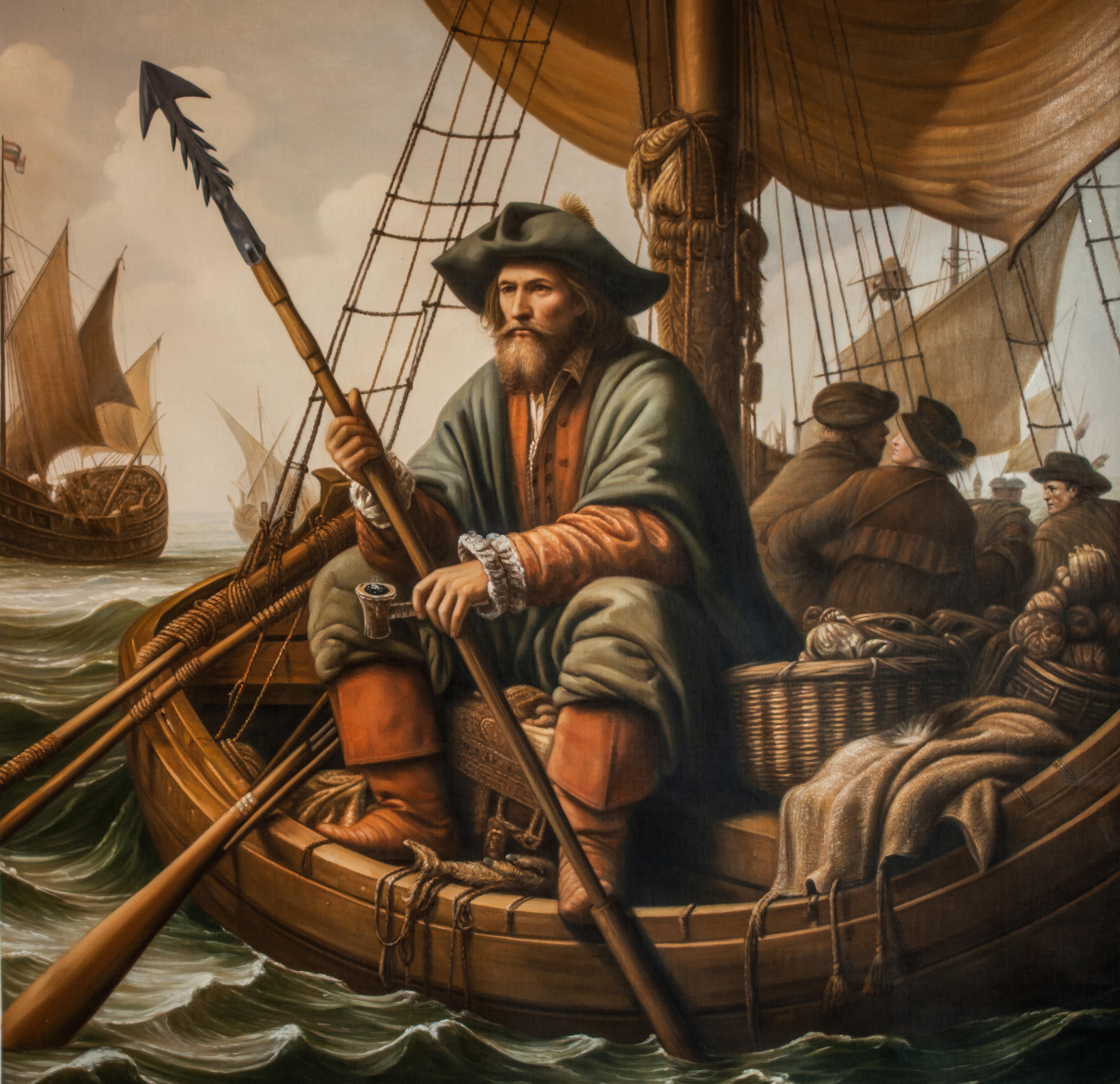
The representations of 17th century European life that exist today in paintings by great artists such as Rembrandt have left a big question mark on why they did not use VOC travel journals, which could have sparked my curiosity about an imaginary documentation of the Dutch presence in the Kingdom of Kongo. My central question was therefore in what spirit I could reincarnate myself in this same vision to realise my journey through time and obtain the missing visual documentation.
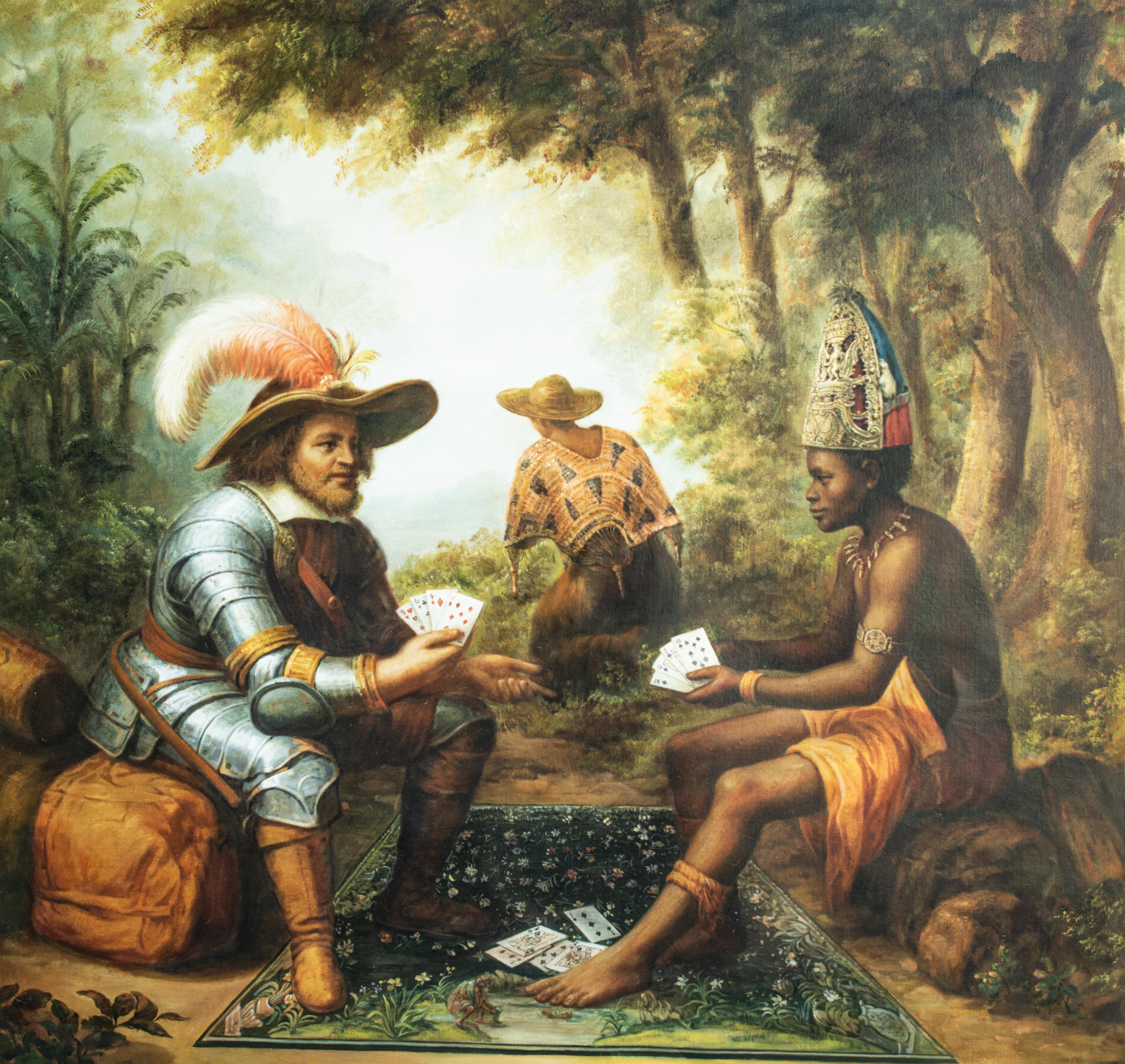
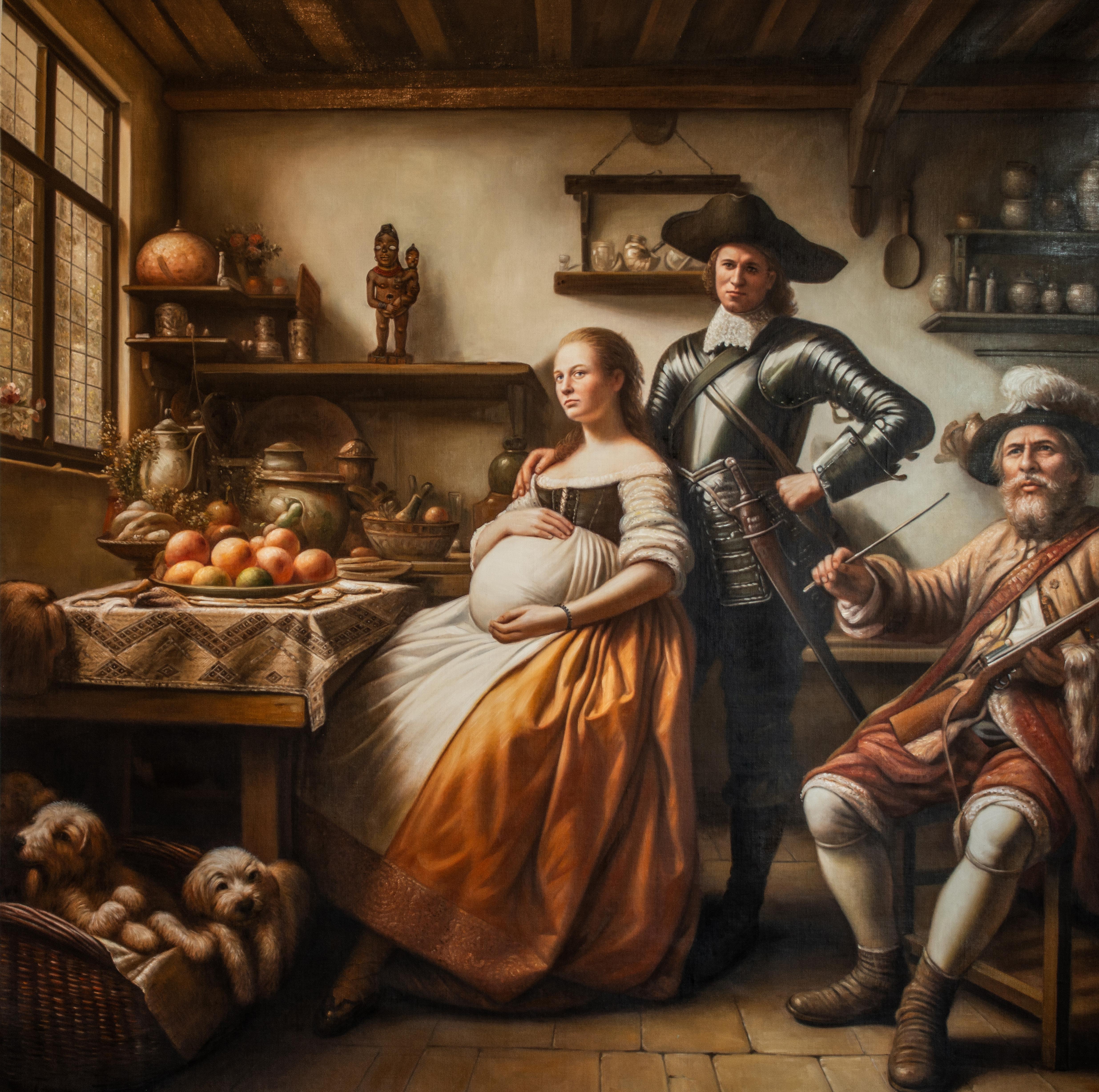
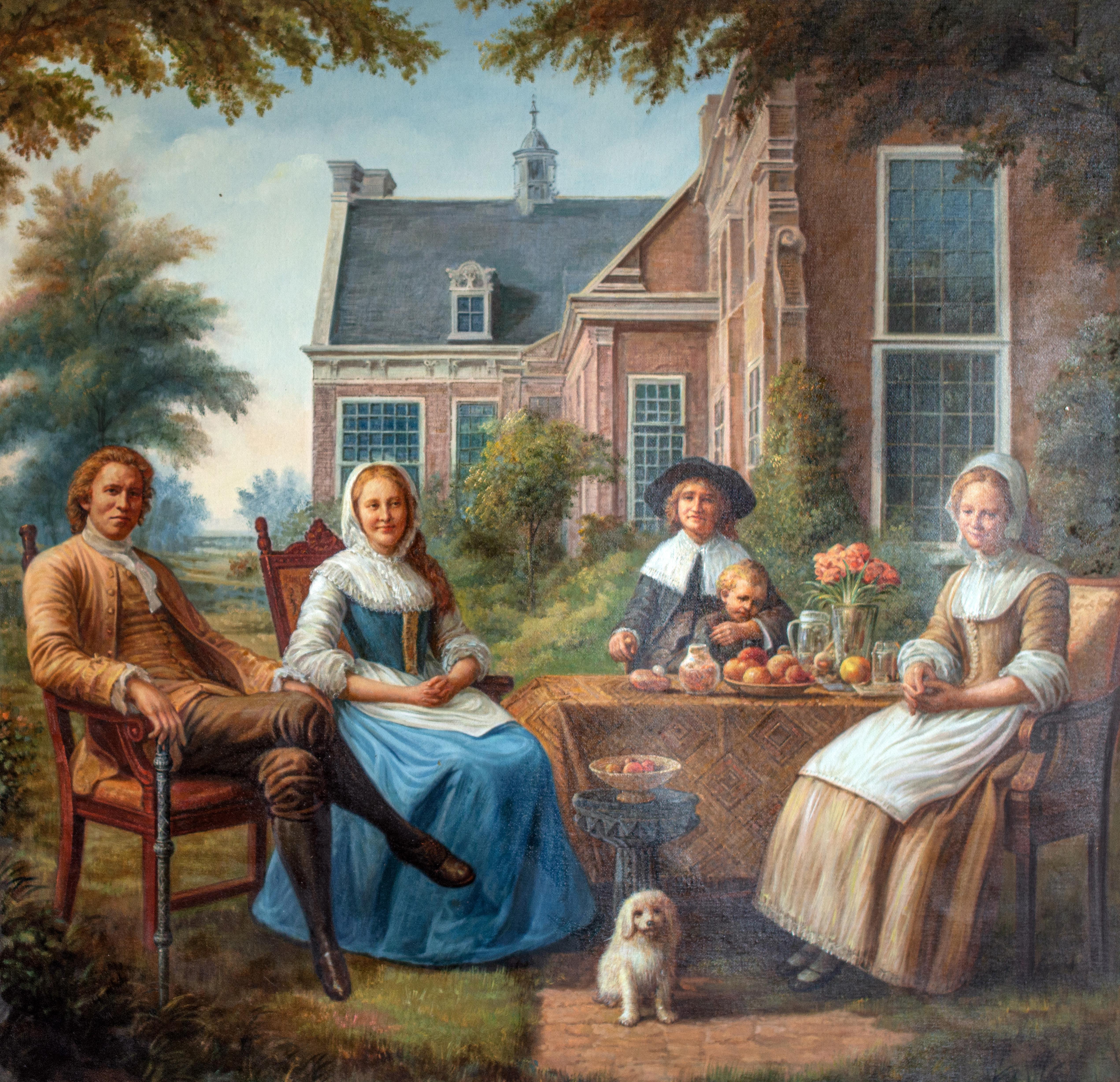
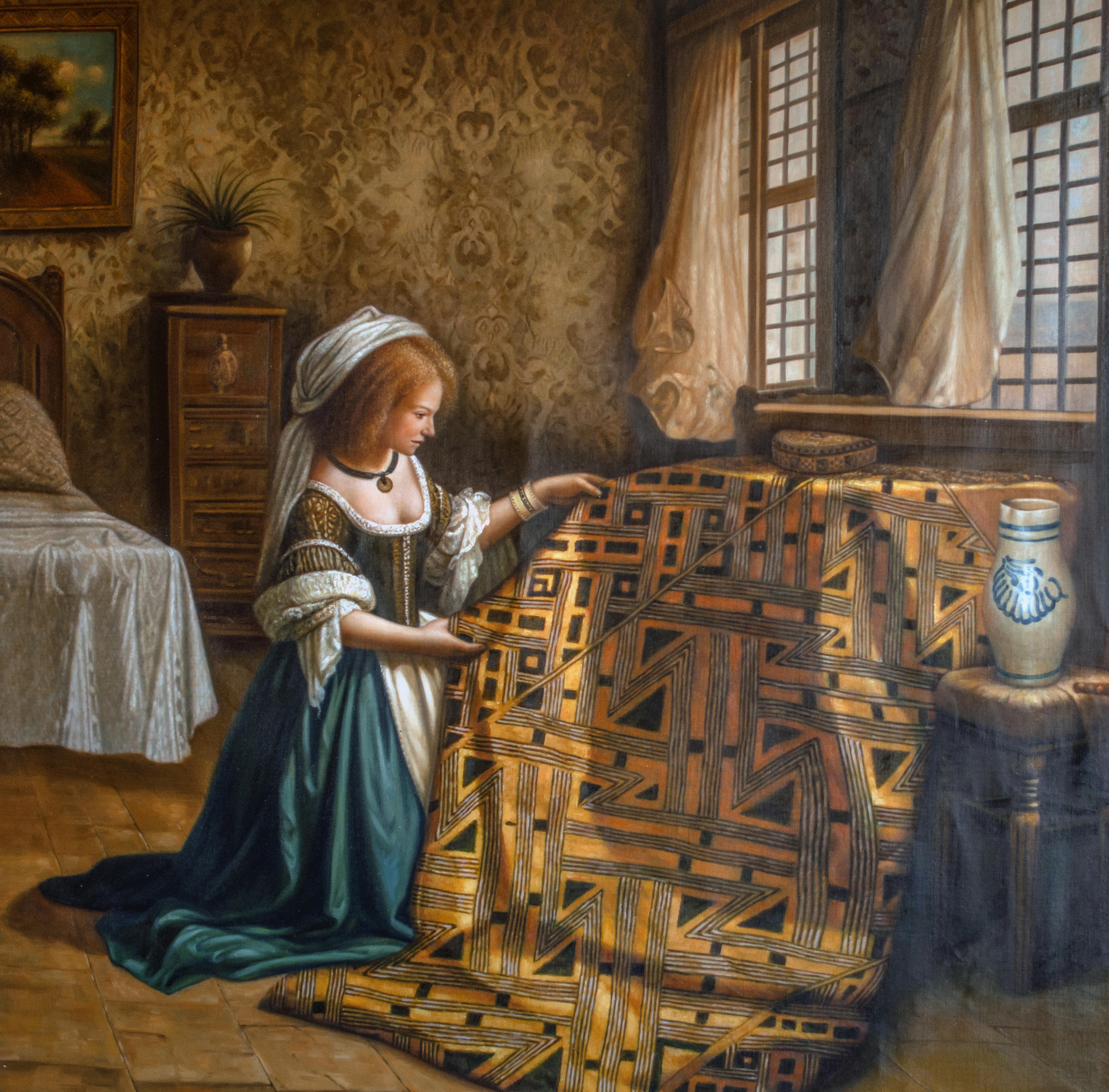
After embedding the objects into my AI-generated models, a big step in the materialisation process came in comparing the existing paintings of great artists with my ideas of producing similar models. To create this parallel, I approached a studio in Dafen, a village in Shenzhen, China, where artists specialise in creating replicas of paintings by famous artists, which are then sold at low prices. I worked with five artists, challenging them to create new paintings based on my models.
Paintings
Exhibition Views
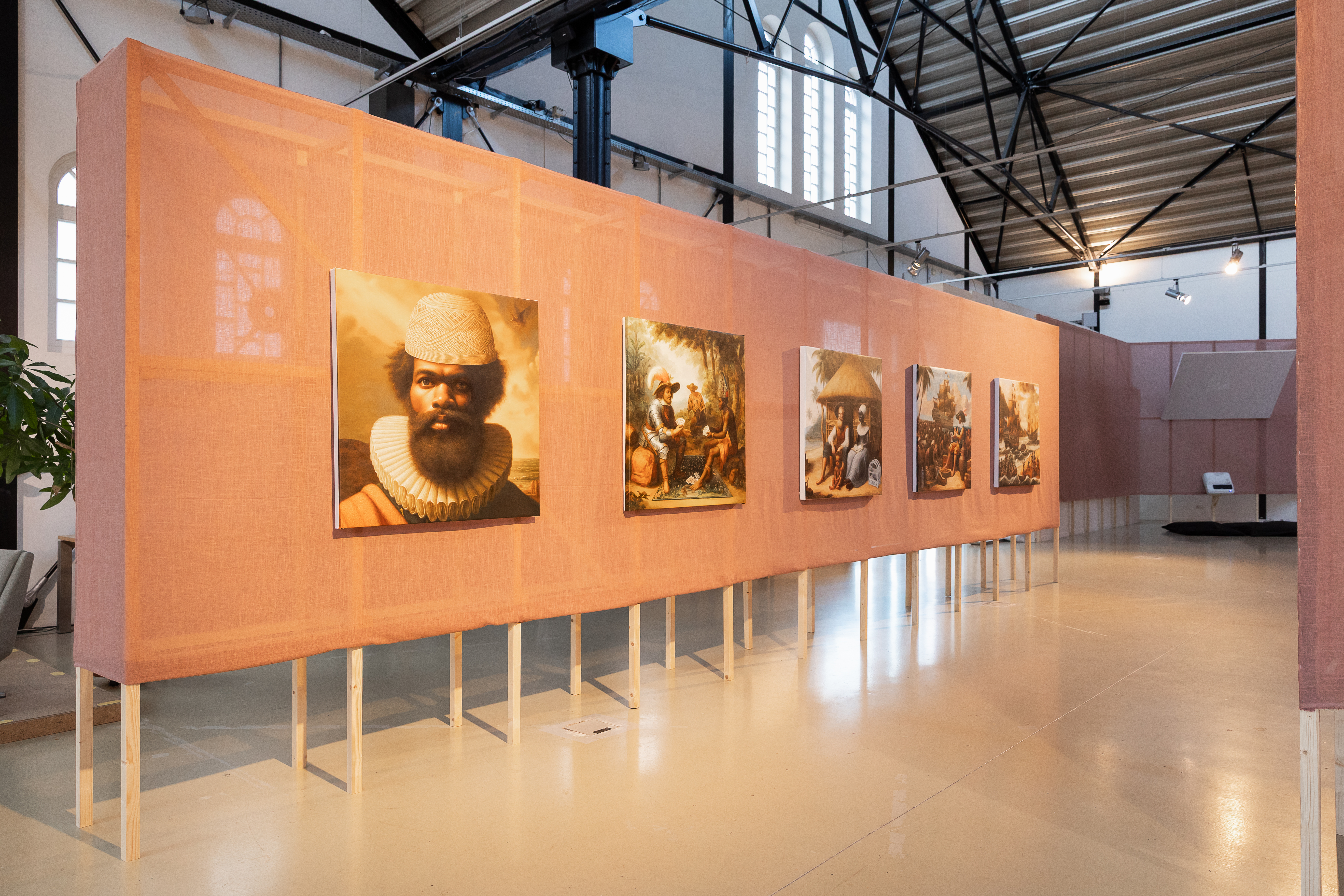
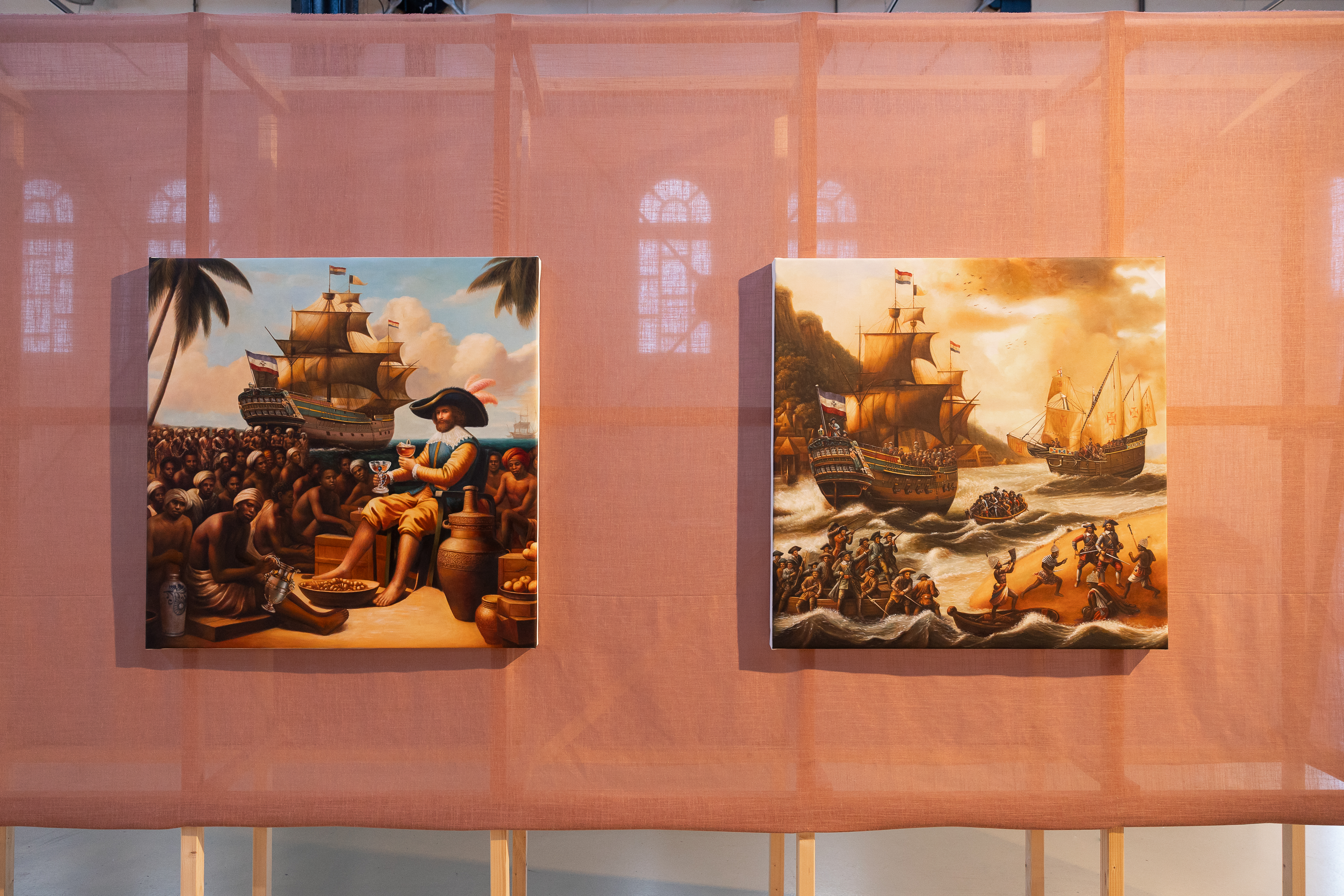
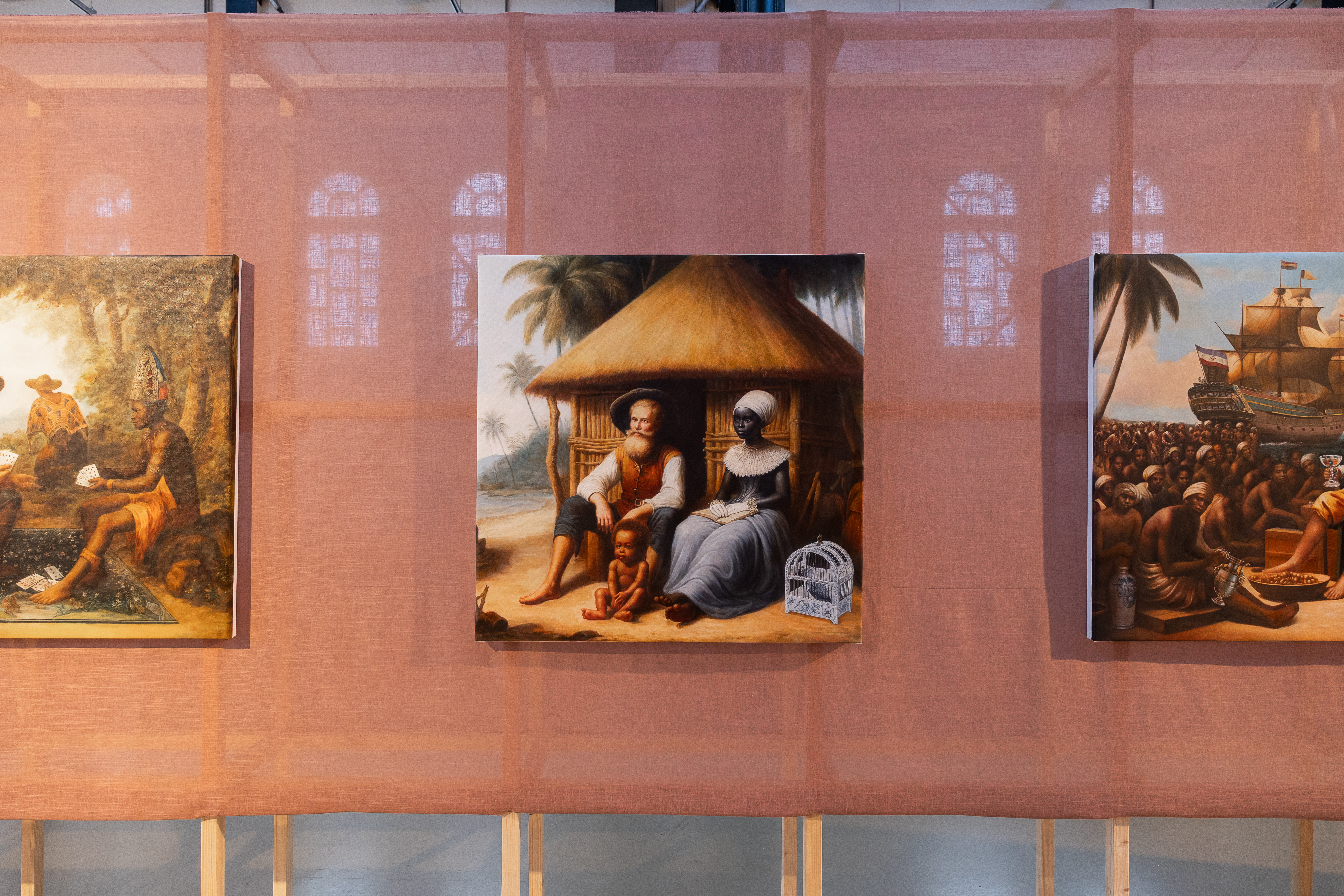
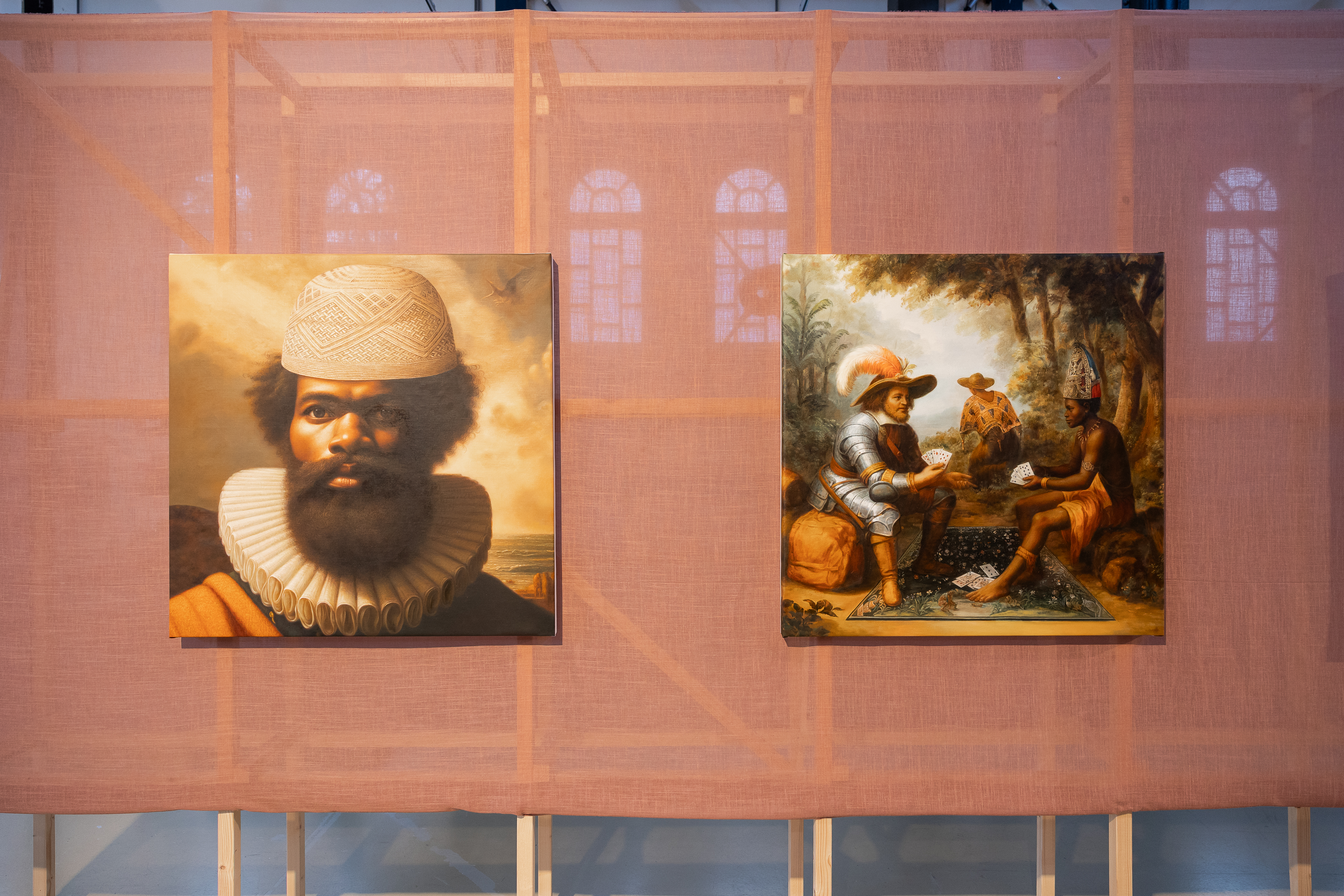
Creative process: Archival research → AI generation → Collage & direction → Dafen Village painters. The result is a new identity navigating between visible elements of 17th-century Dutch painting, technological errors, and human expertise. The works are part of the exhibition "Money Make The World" at Framer Framed, Amsterdam, 2025.