Mes Nouveaux Plafonds
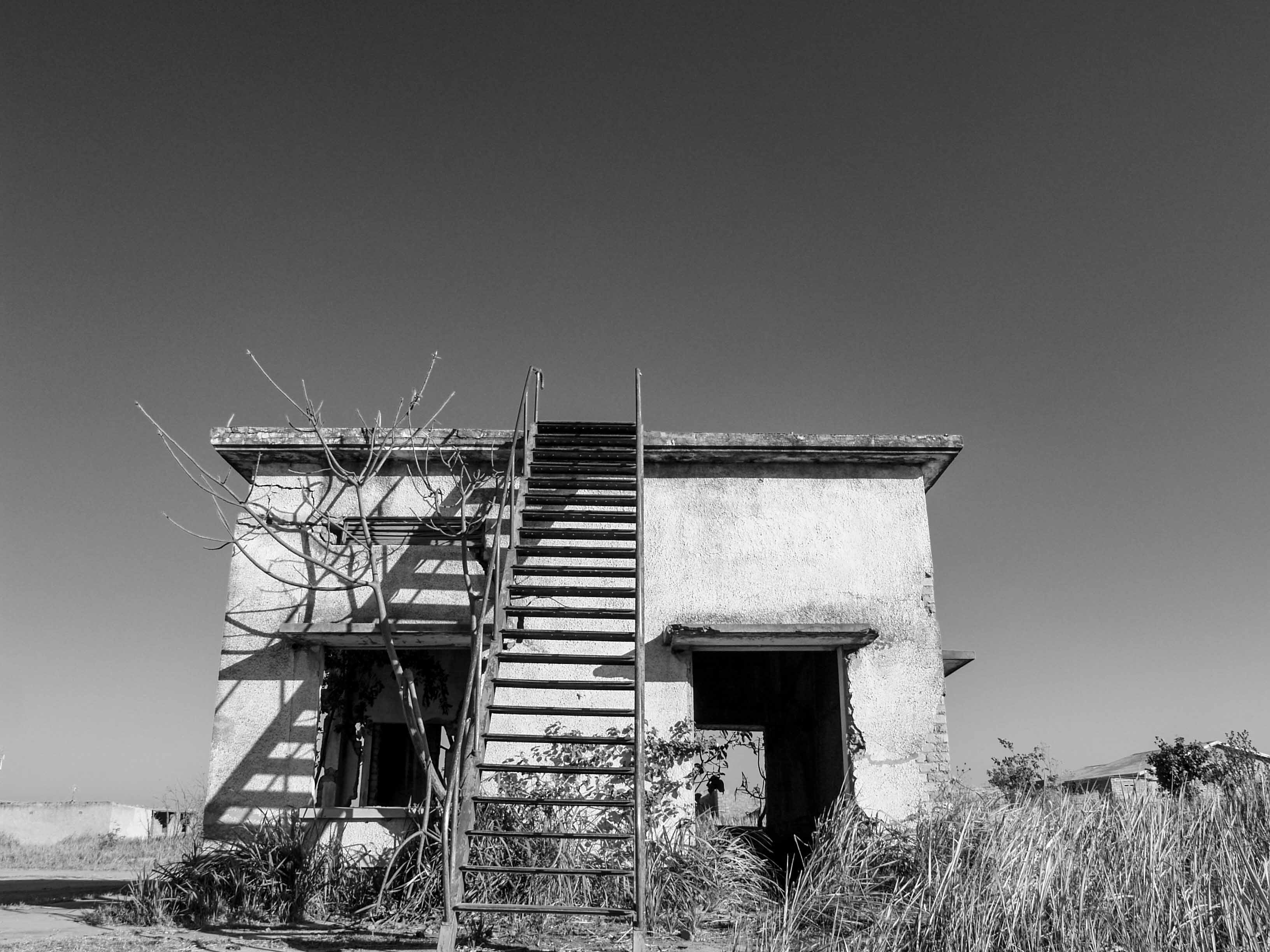
Mes Nouveaux Plafonds (My New Ceilings) explores architecture, construction sites, and urban transformation in Lubumbashi. On May 17, 1996, the population of Lubumbashi was in the streets welcoming the "Kadogos" (child soldiers) to put an end to the Mobutu dictatorship. New President M'zee Kabila decided to open the borders of Congo, allowing traders to bring in new goods and materials.
Most traders who traveled to Asia, the United Arab Emirates, and West Africa were seduced by the architecture of individual and public housing. Should we always consider a construction site as a transitional state between nonexistent and erected buildings? What is ultimately new if not what we decide to see without preconceptions?
My work questions the old and the new, finding what is completed in the unfinished state and vice versa. This search for traces reveals a vision of time scattering through marks of various moments. I draw these traces from Lubumbashi, which presents both colonial-inspired architectural styles and recent constructions.
The project offers a measure of grace to all people capable of carrying out trade between the Congo and other countries to take charge of the re-establishment of means of public transport, which almost no longer exists in the large cities of Congo.
Photographs (32 views)
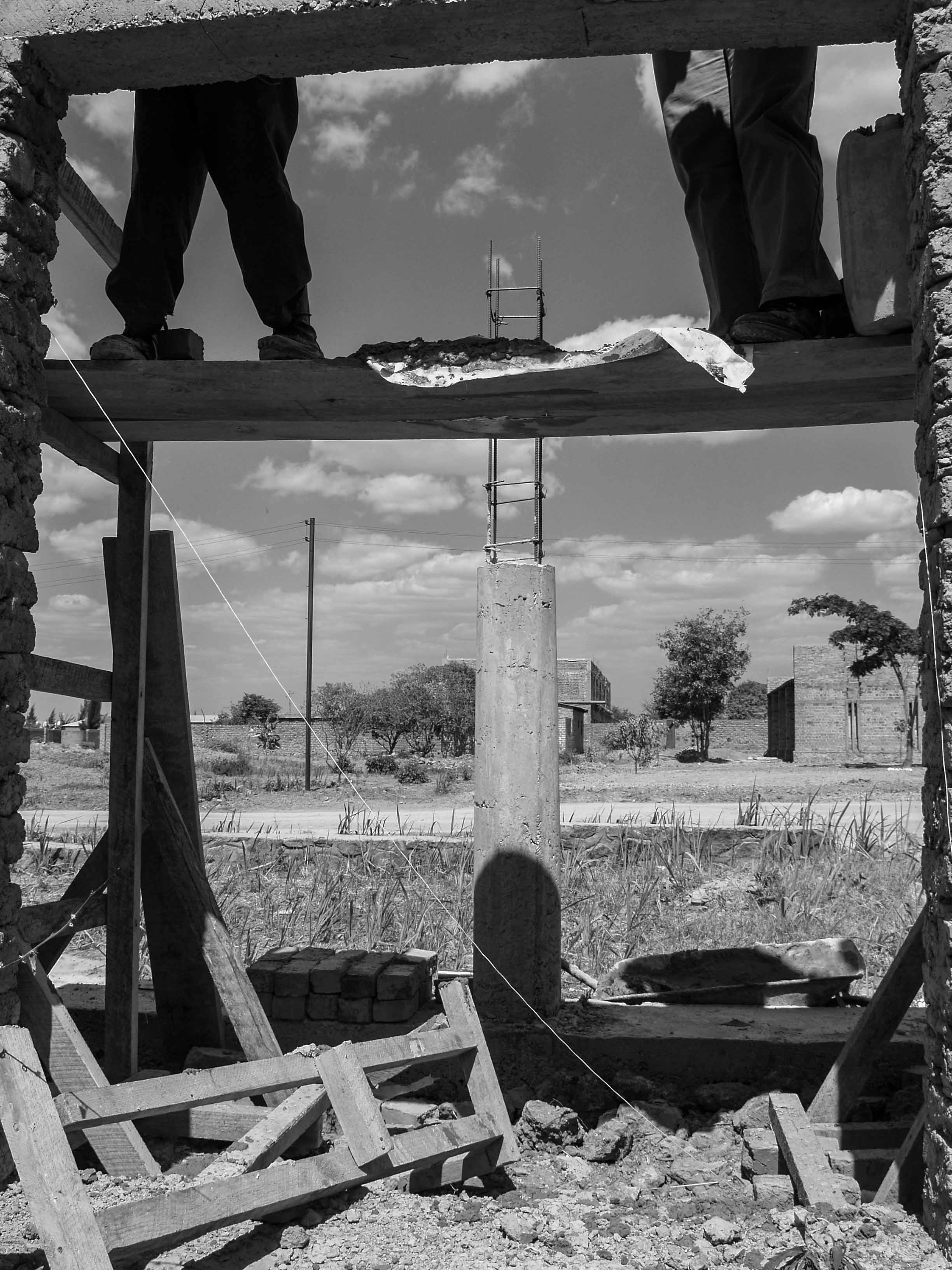
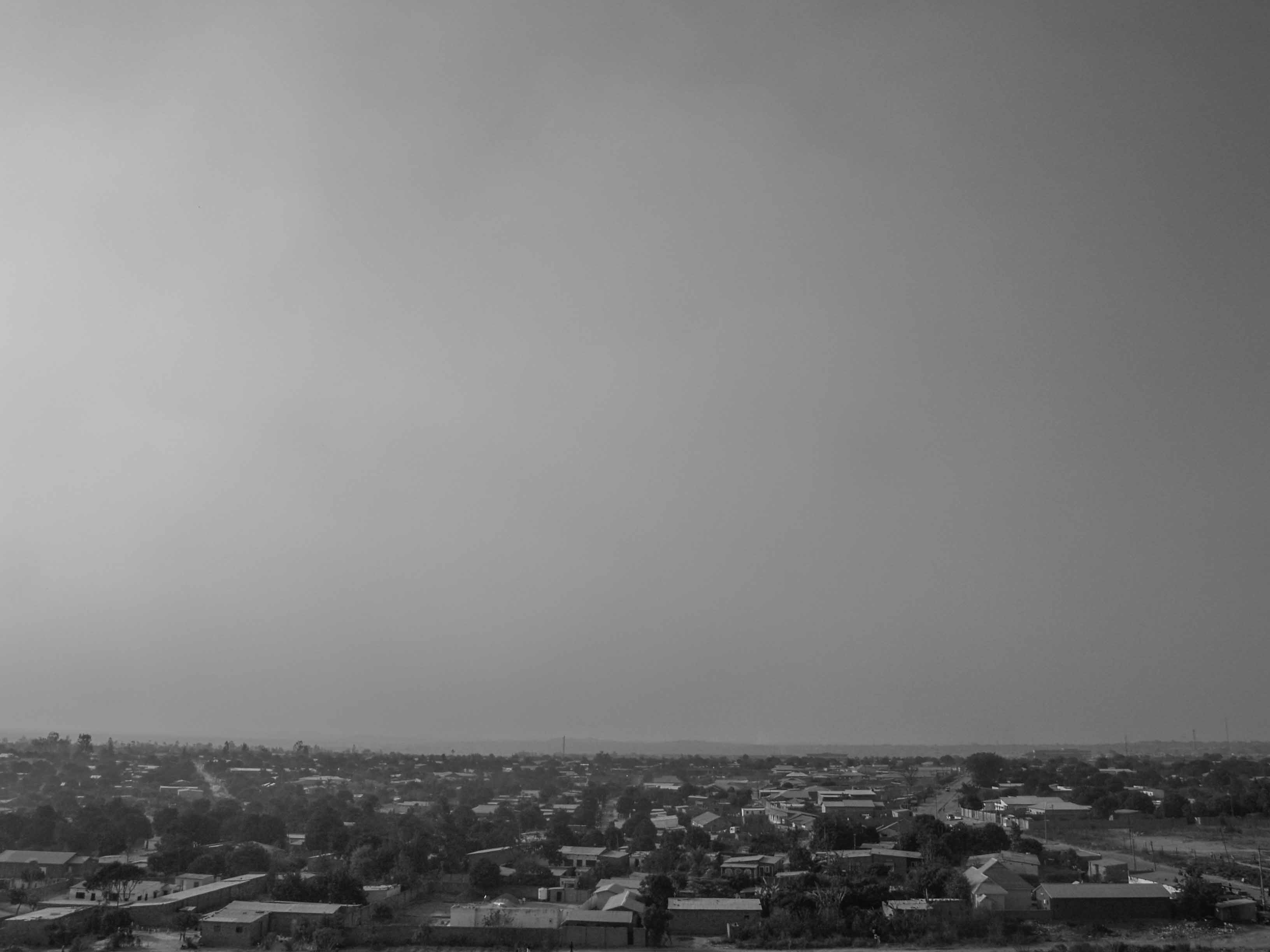
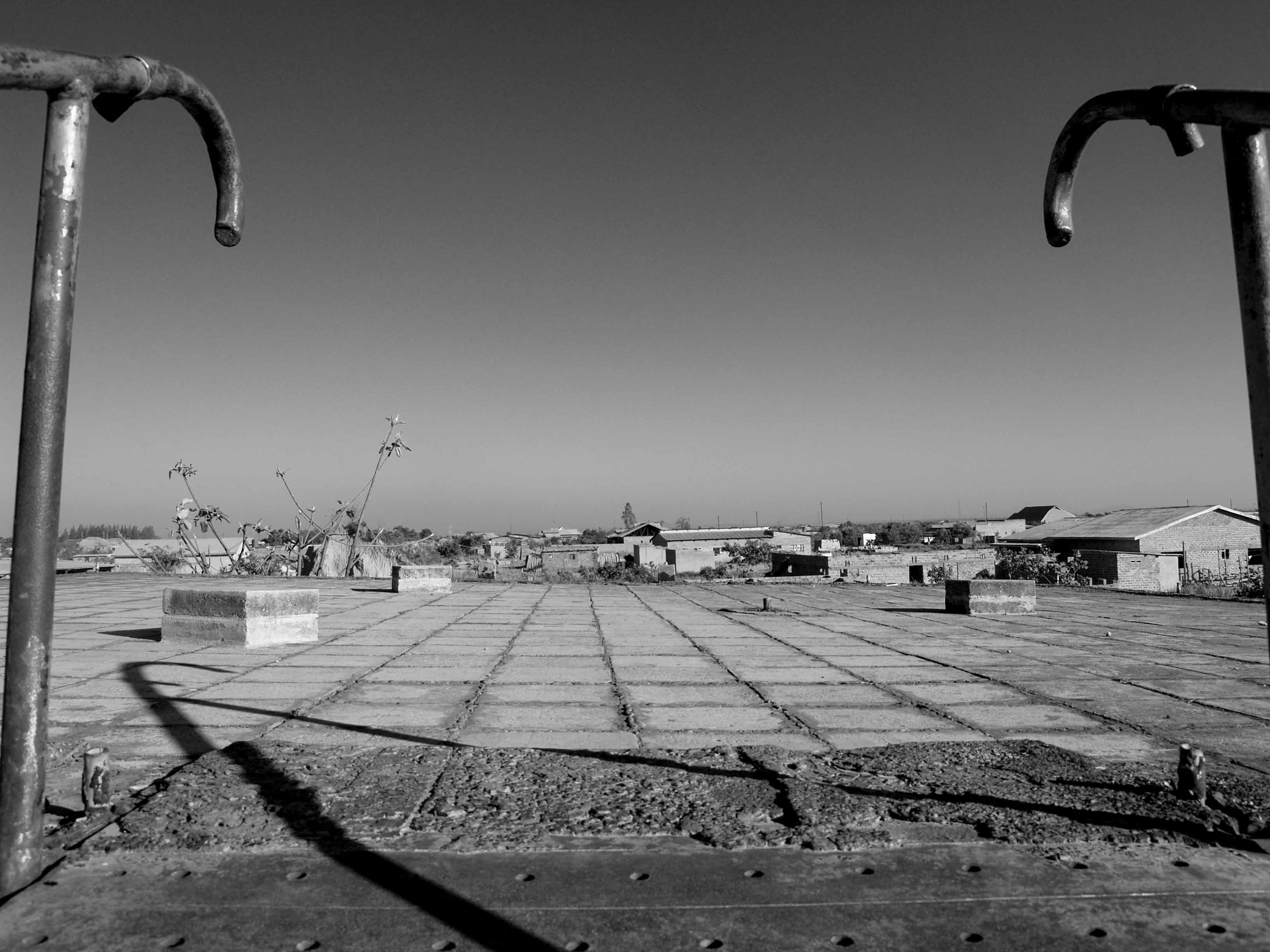
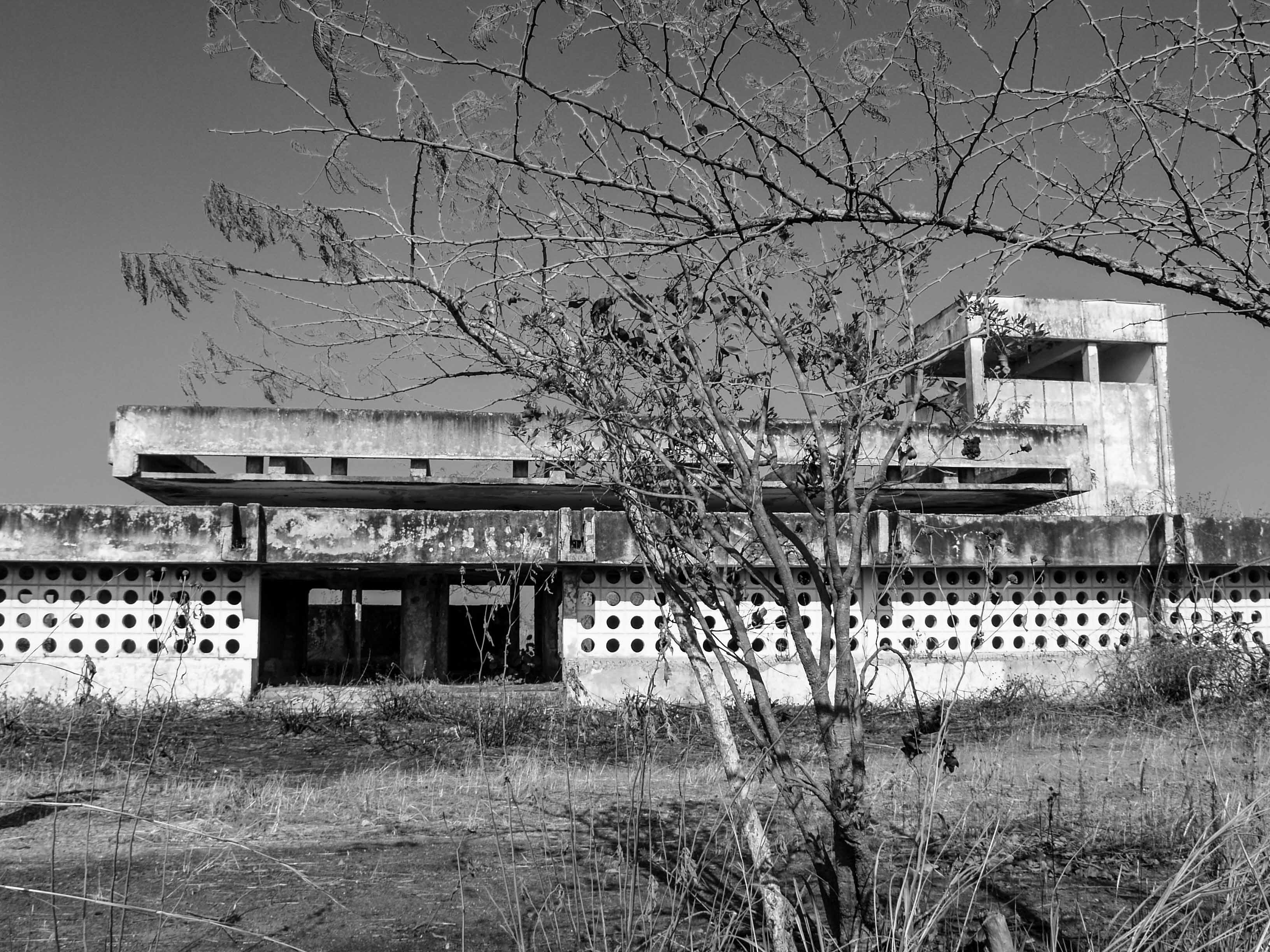
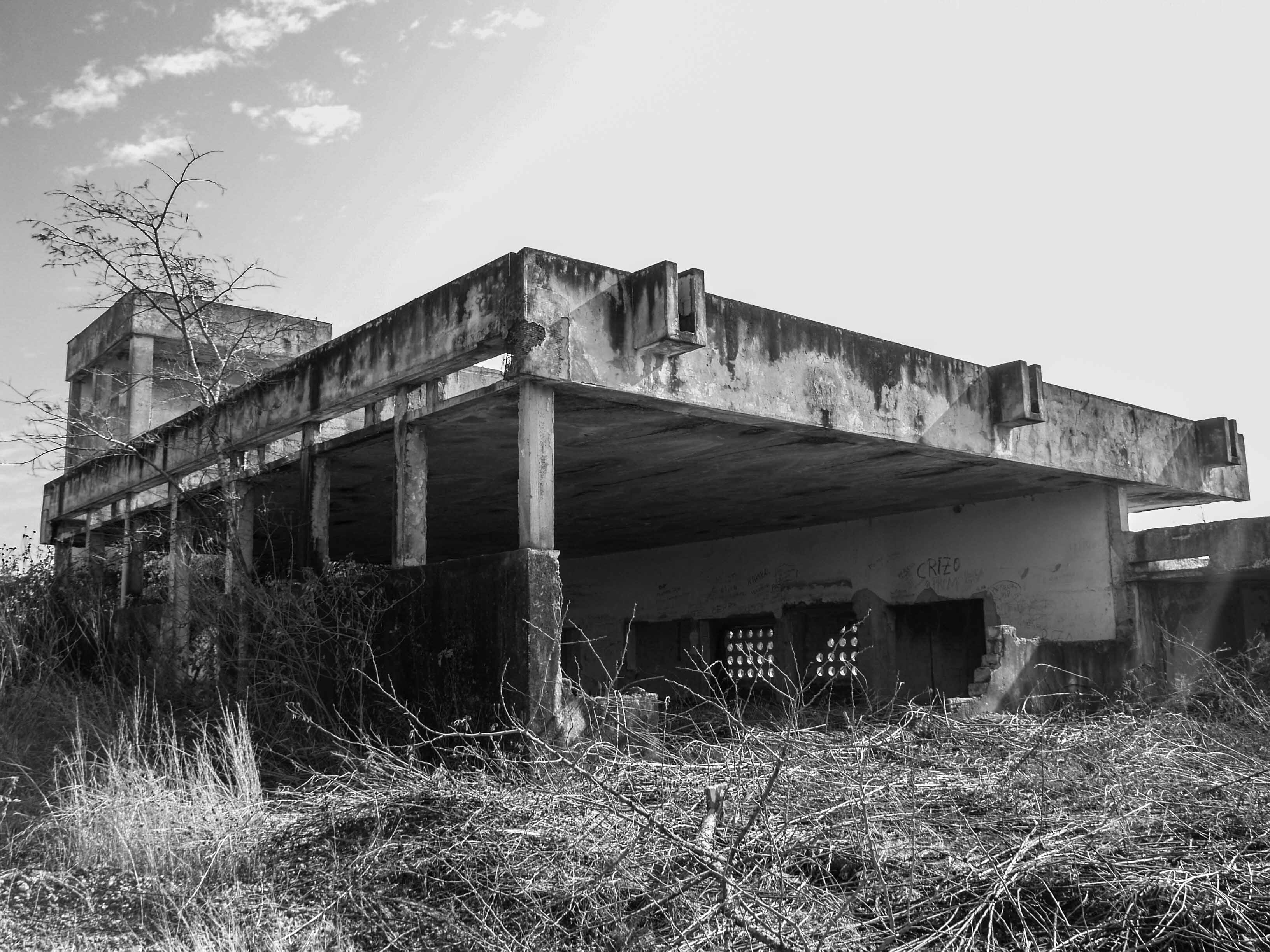
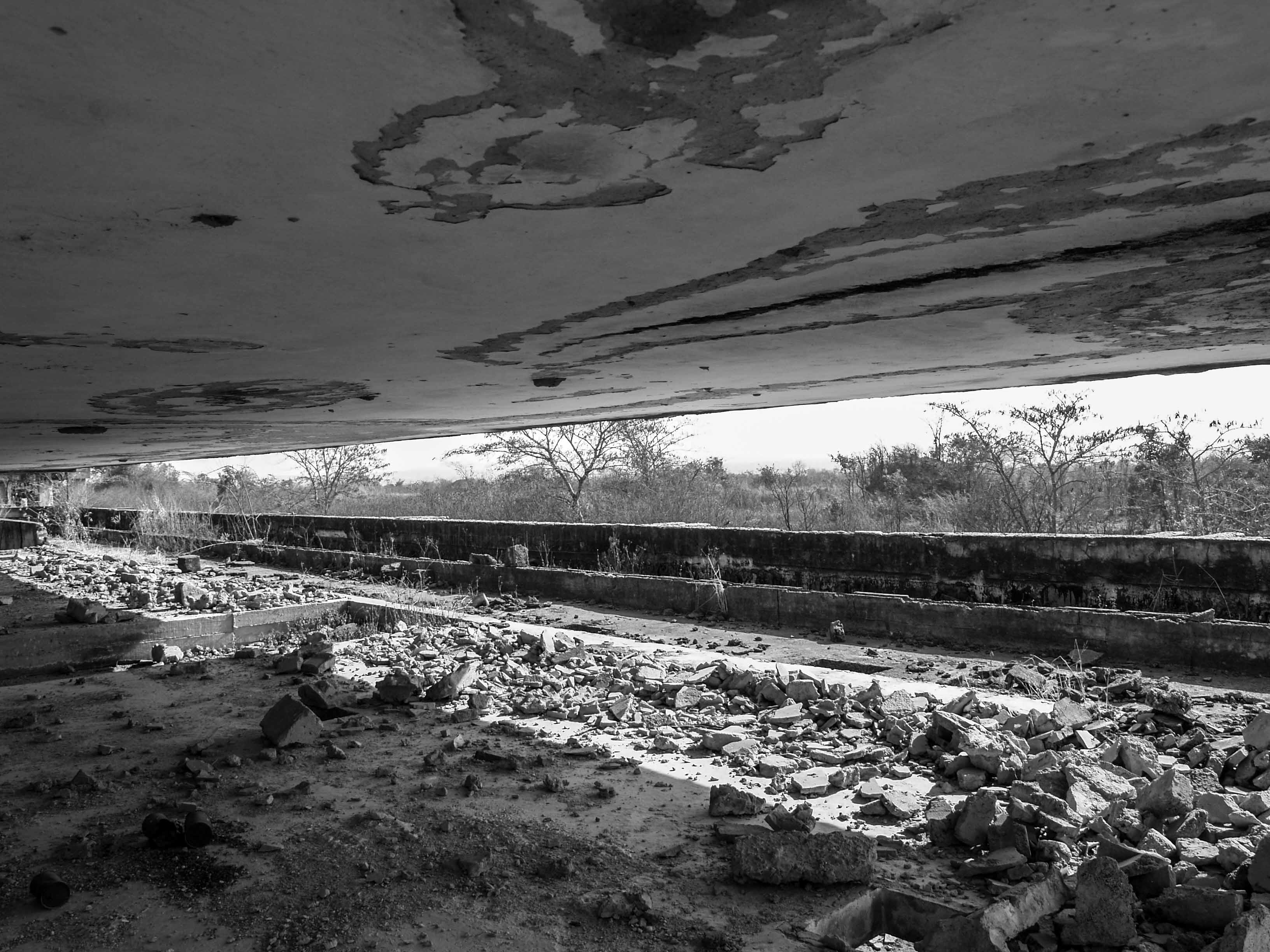
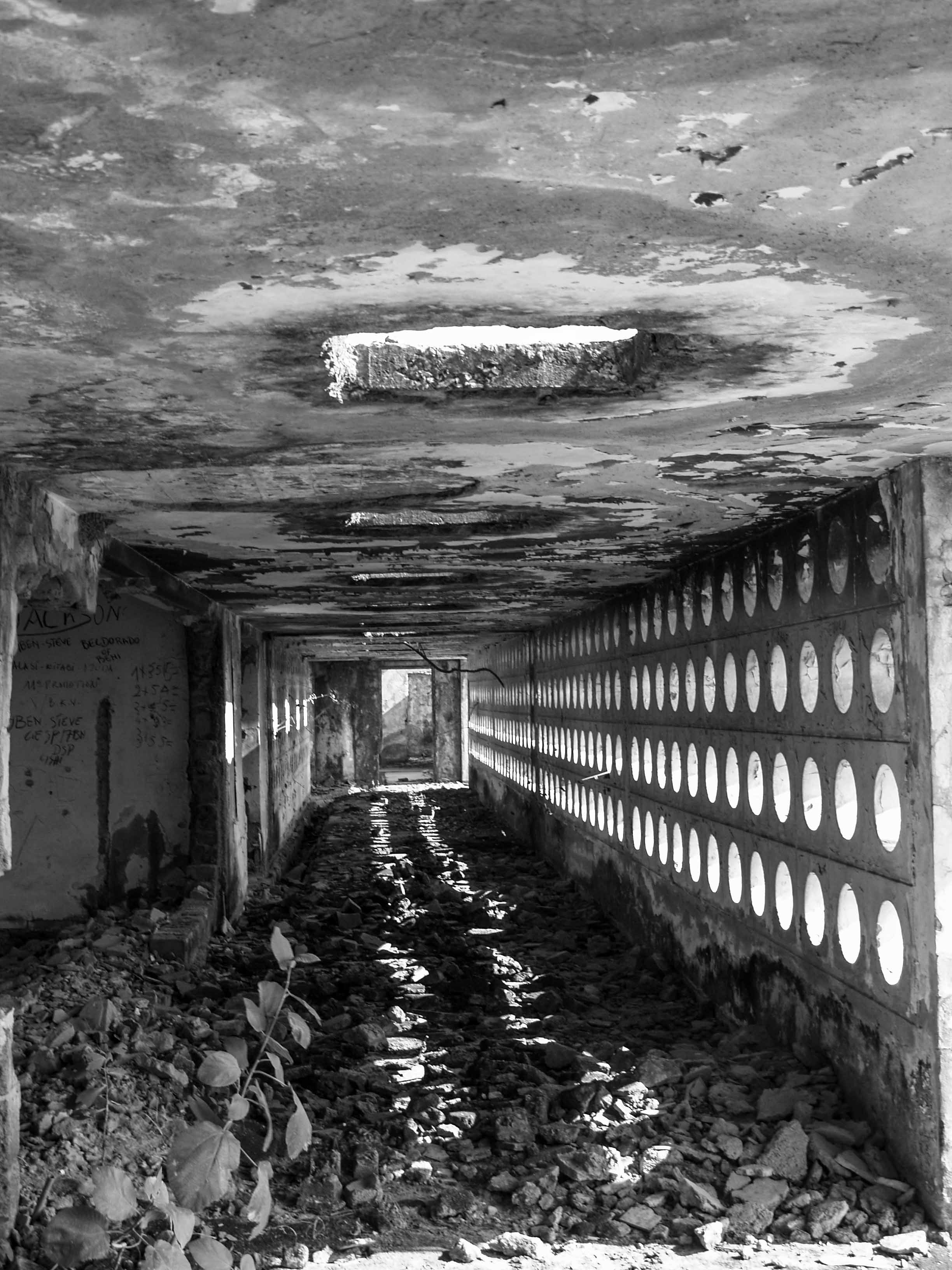
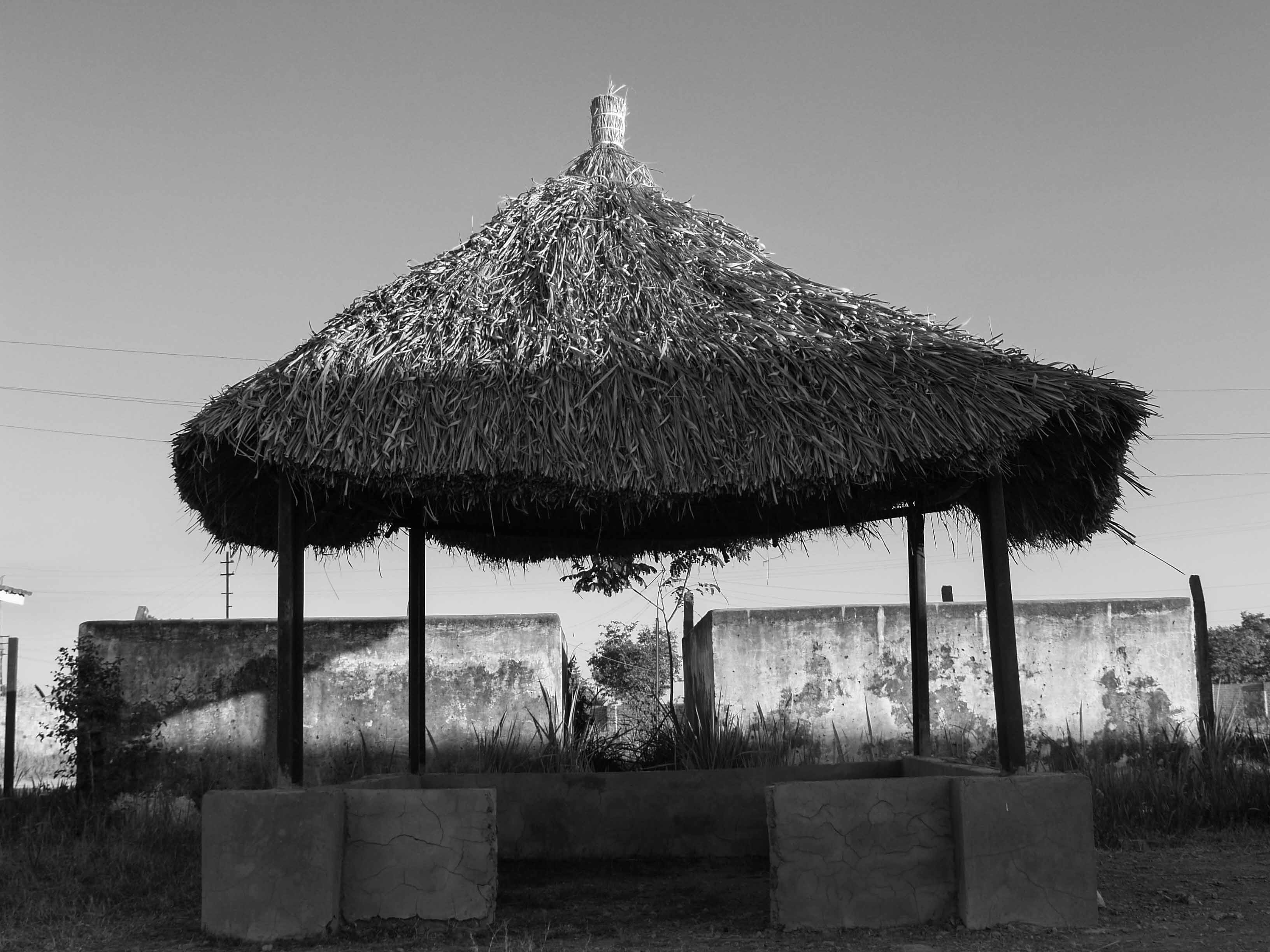
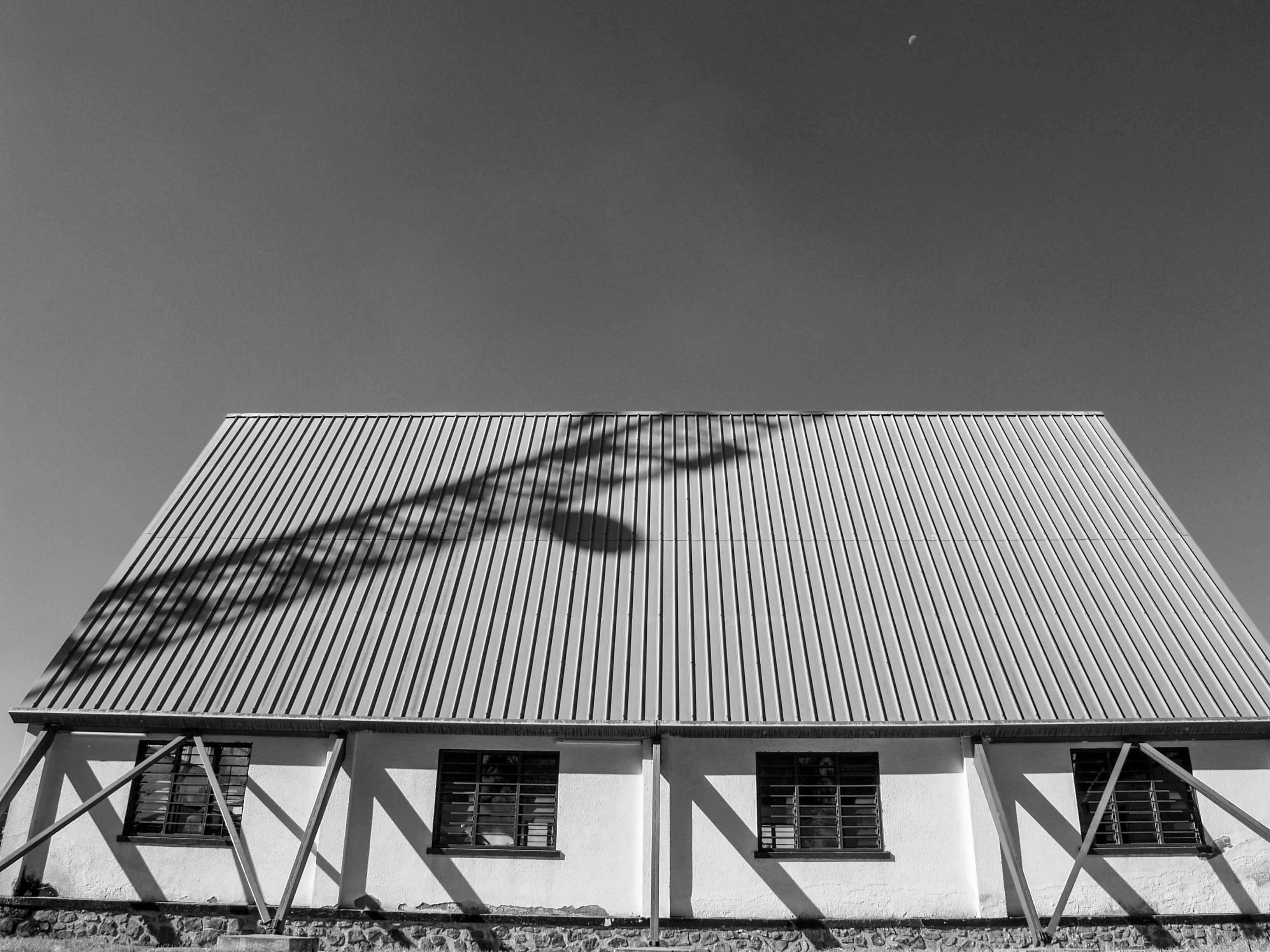
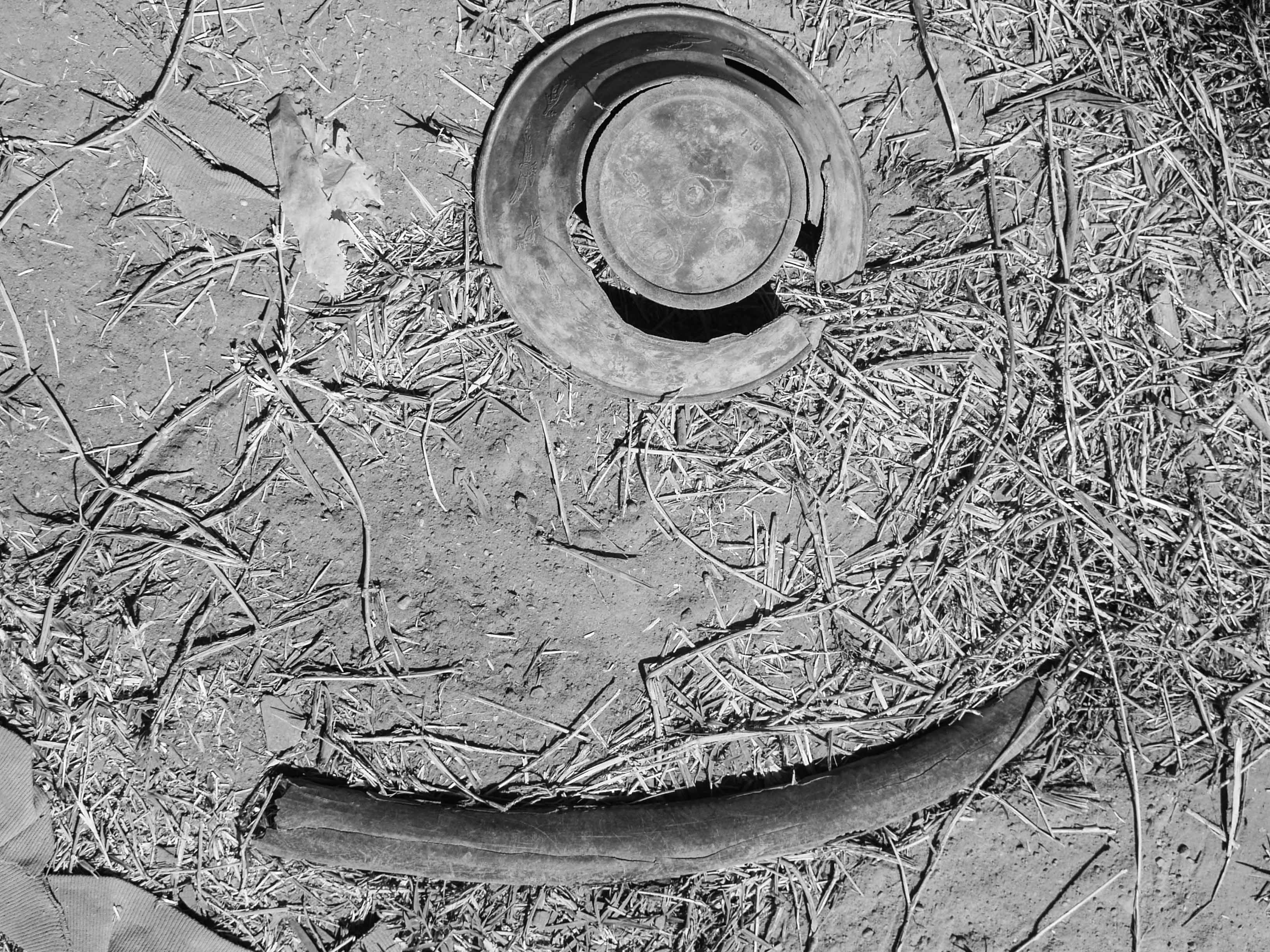
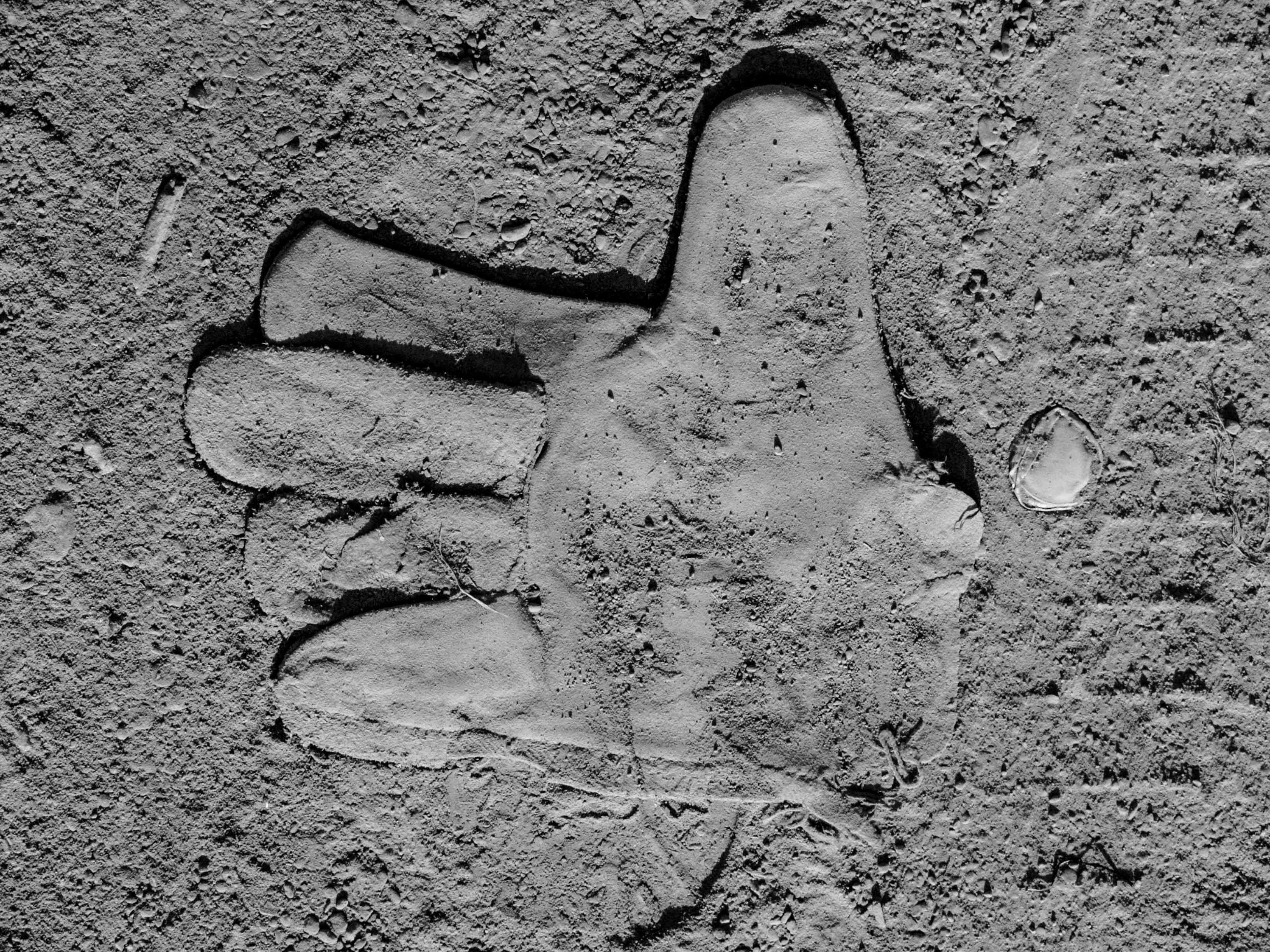
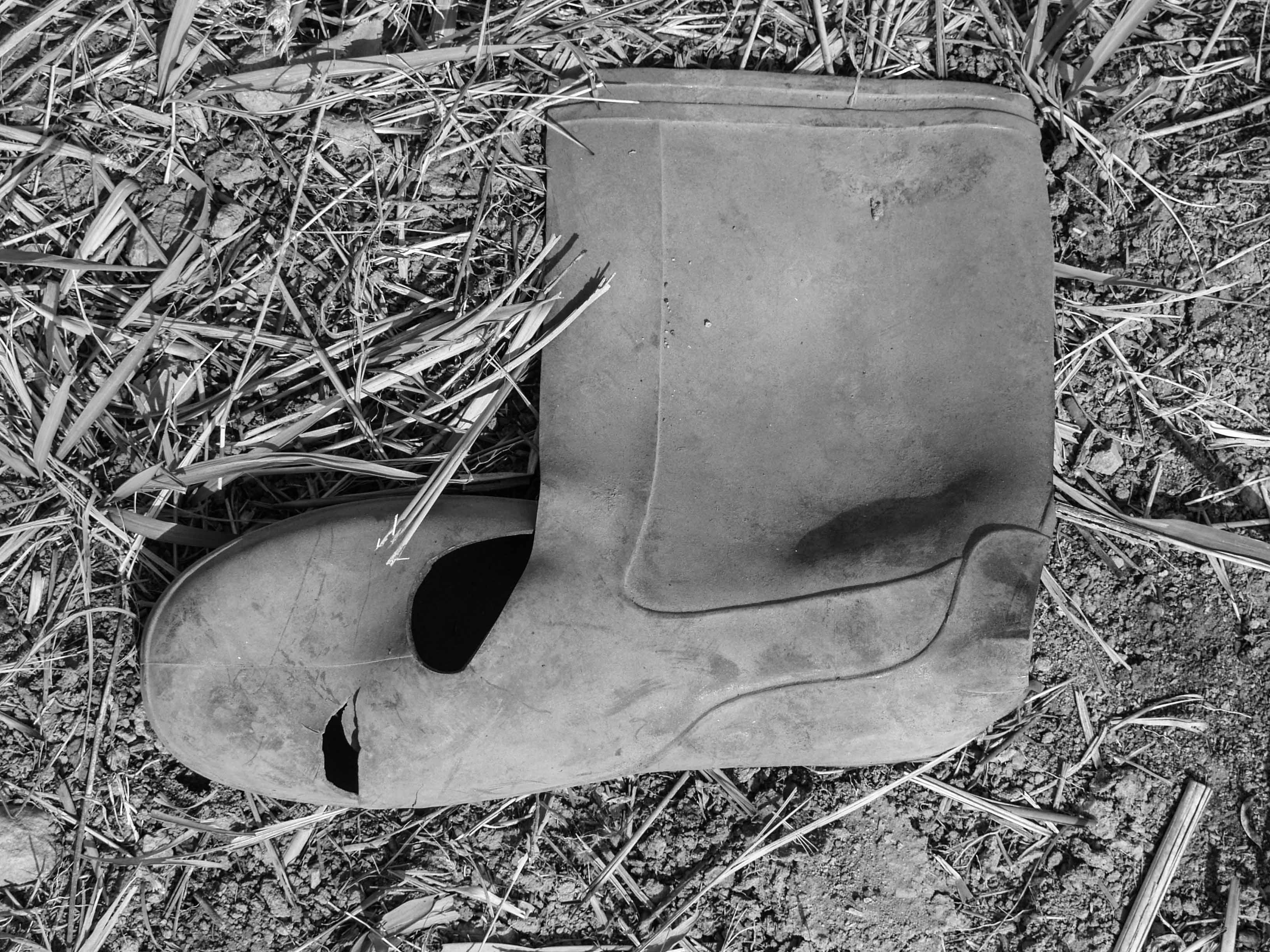
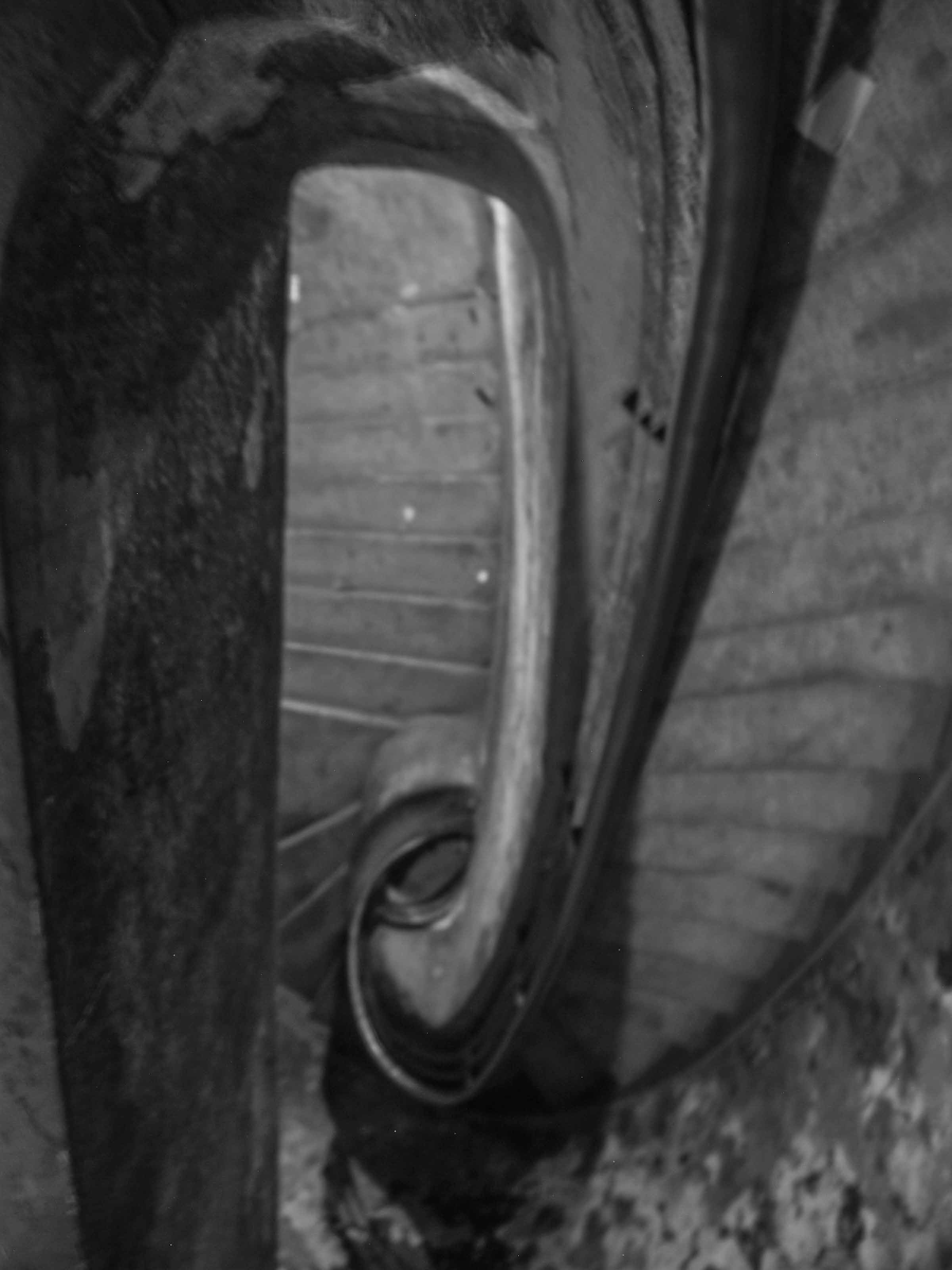
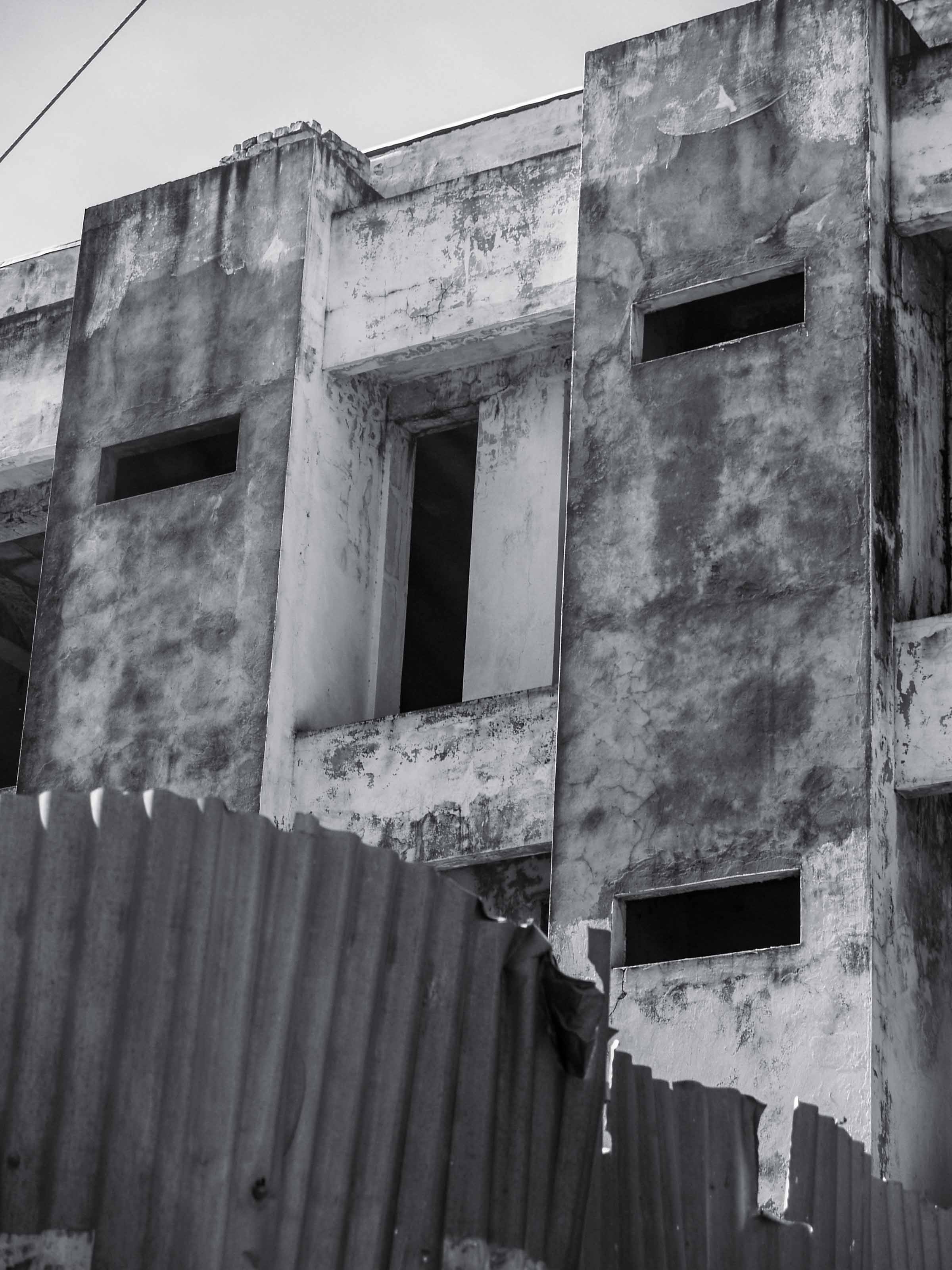
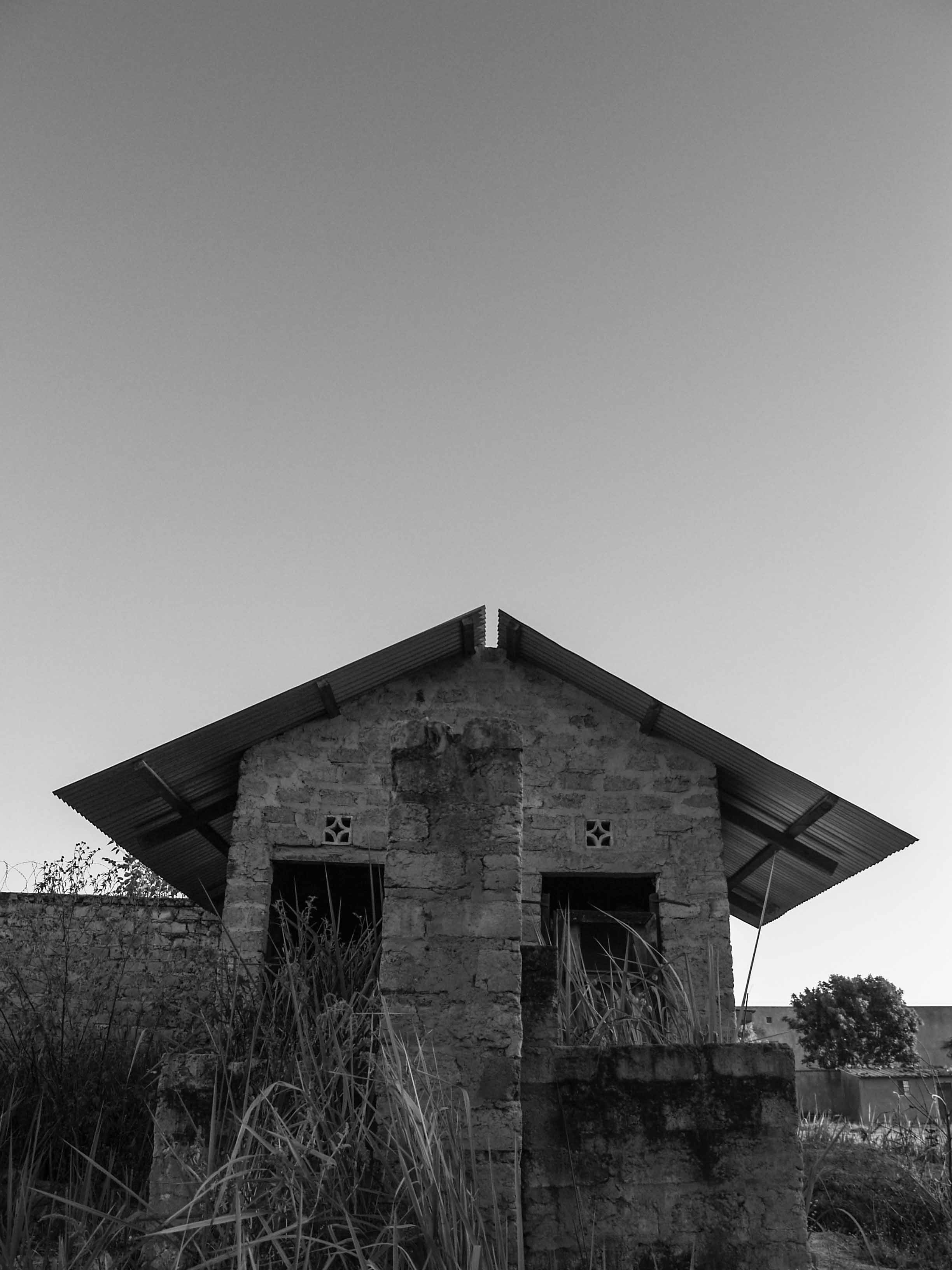
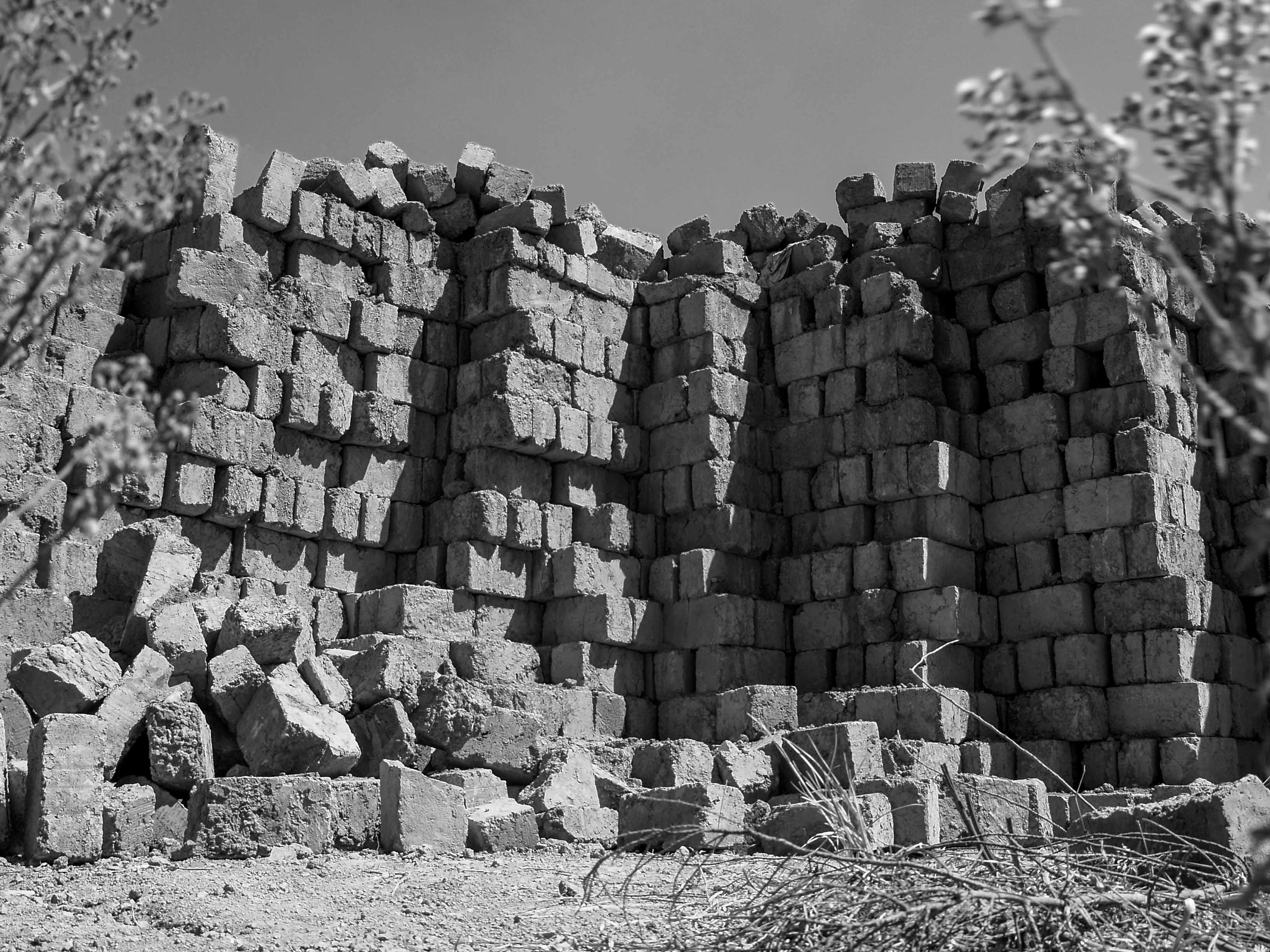
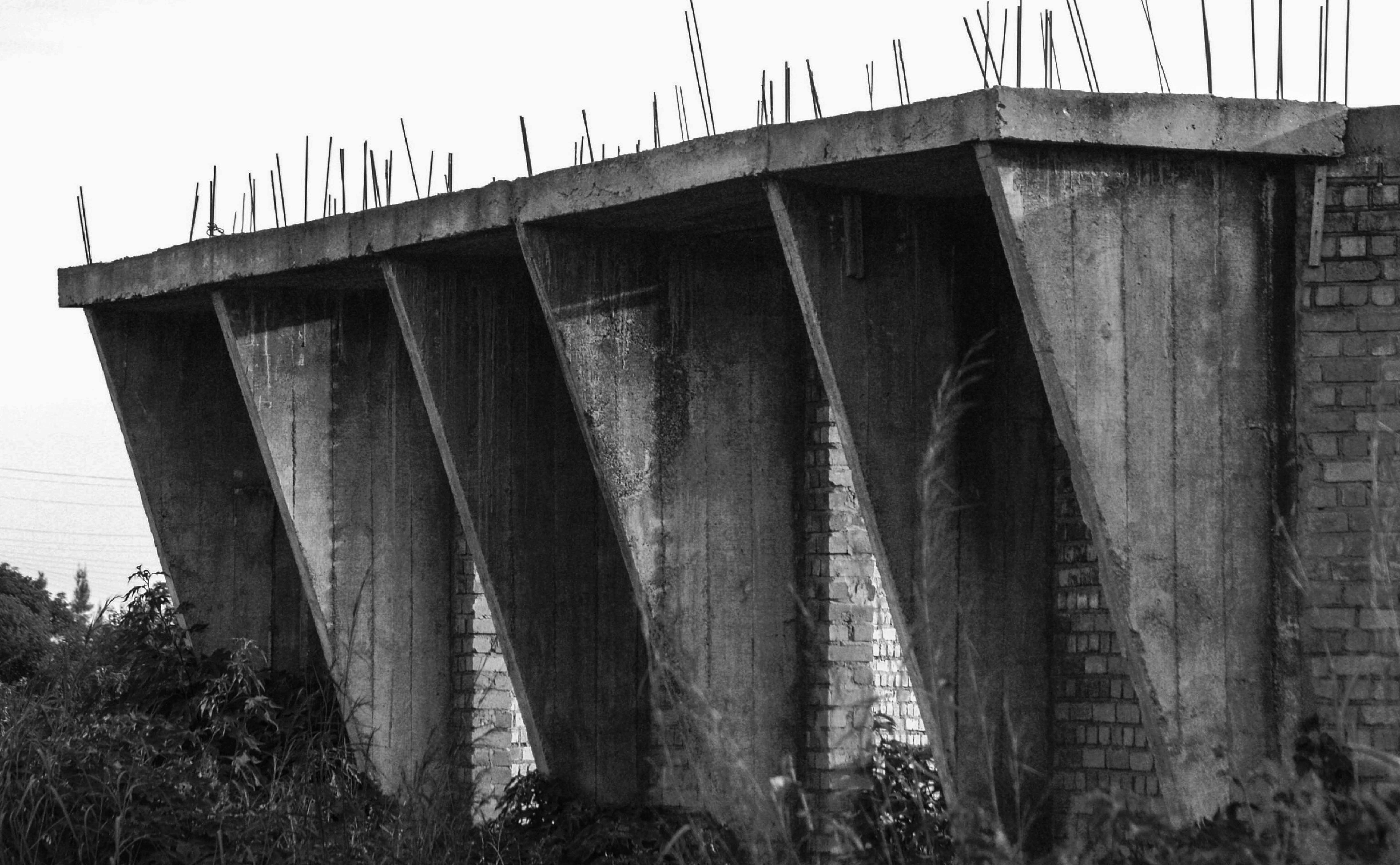
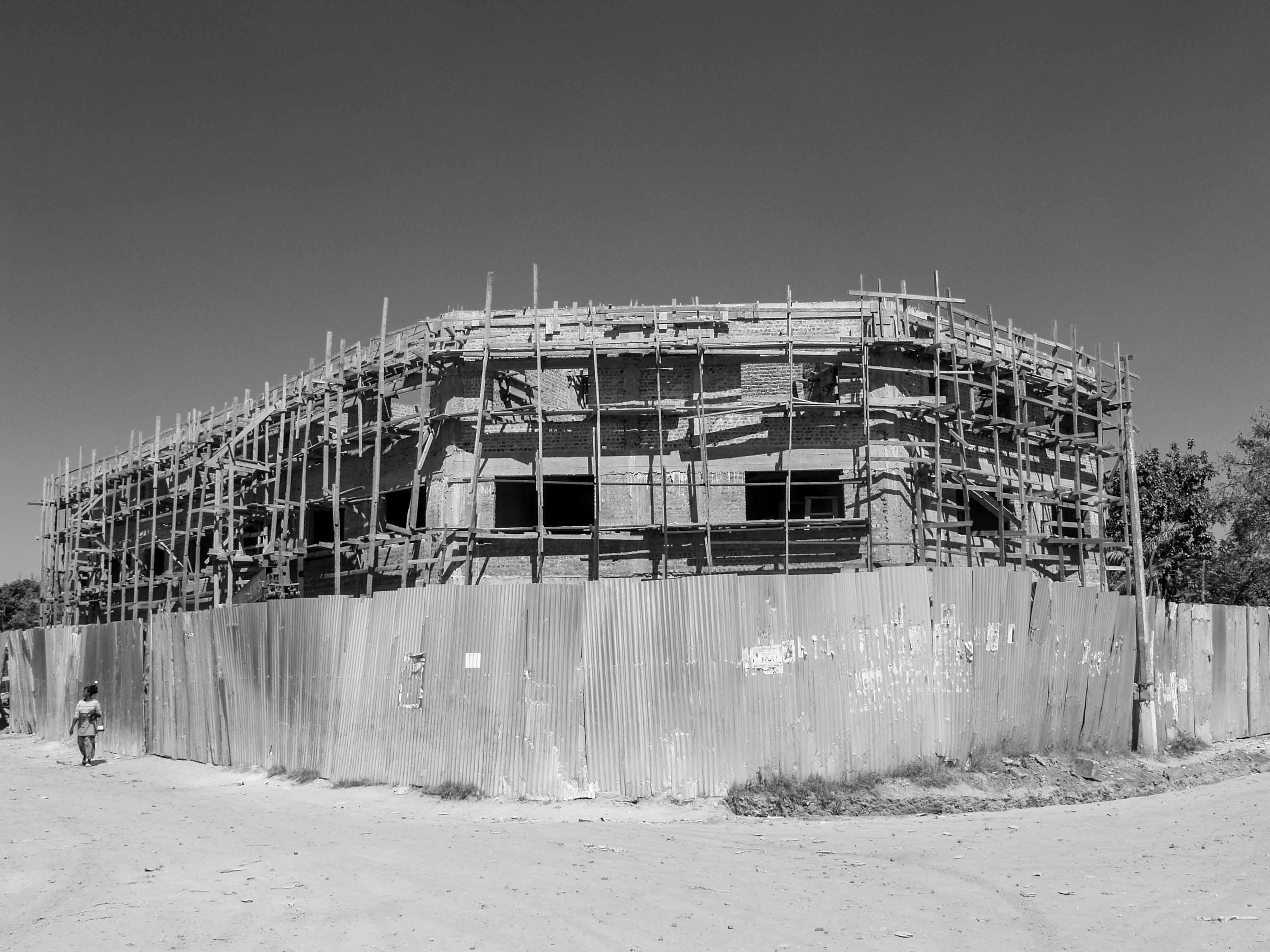
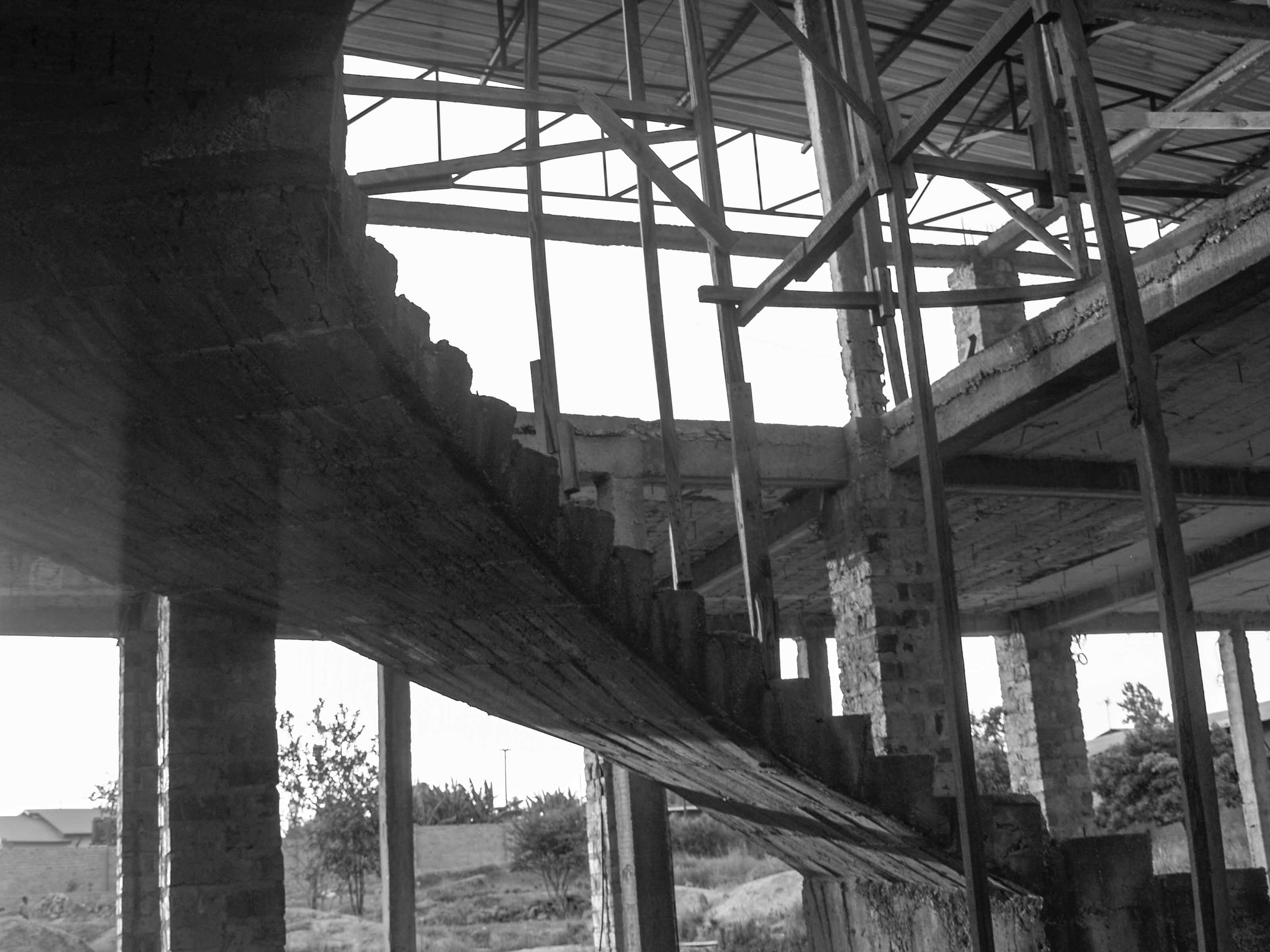
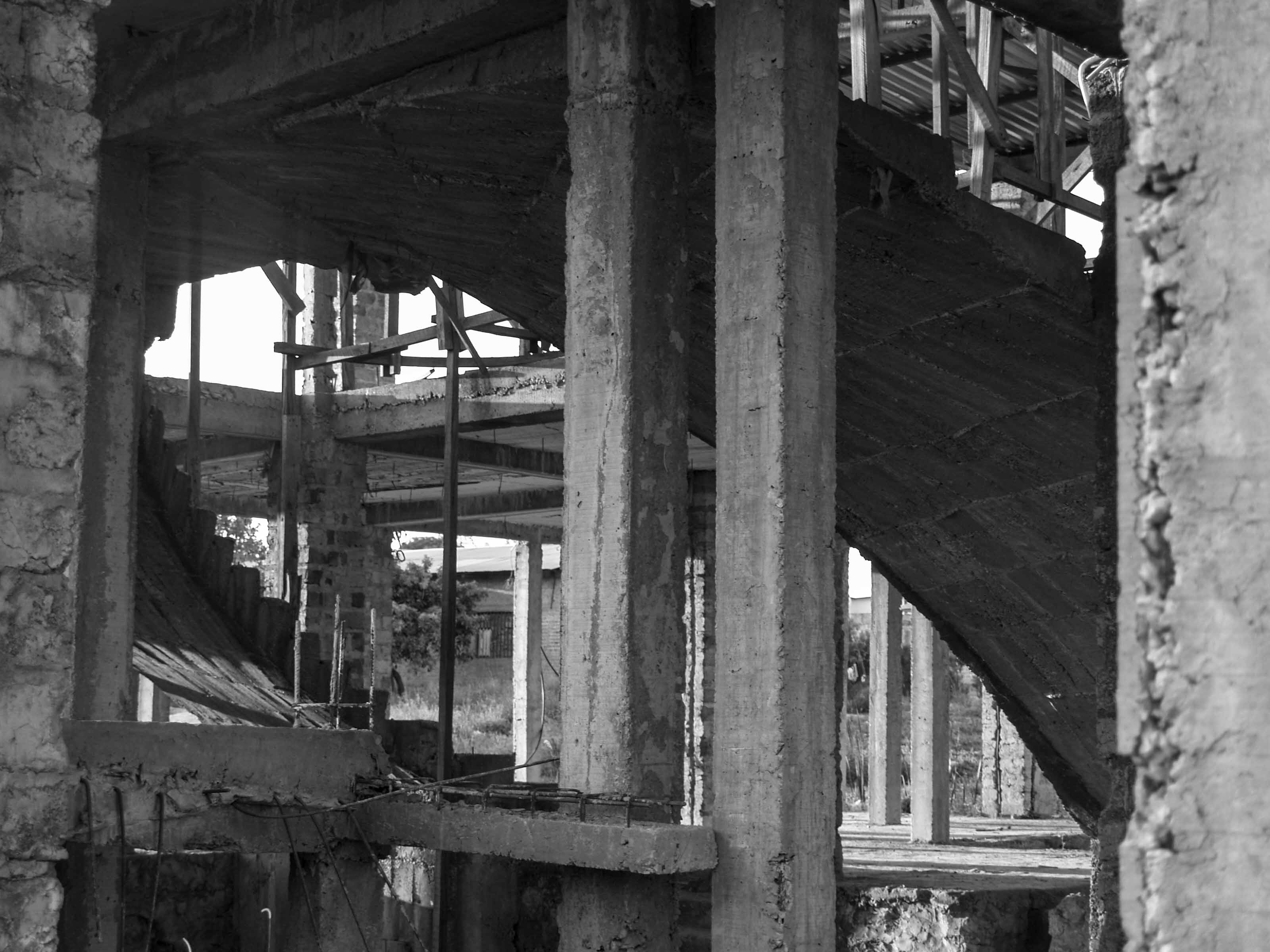
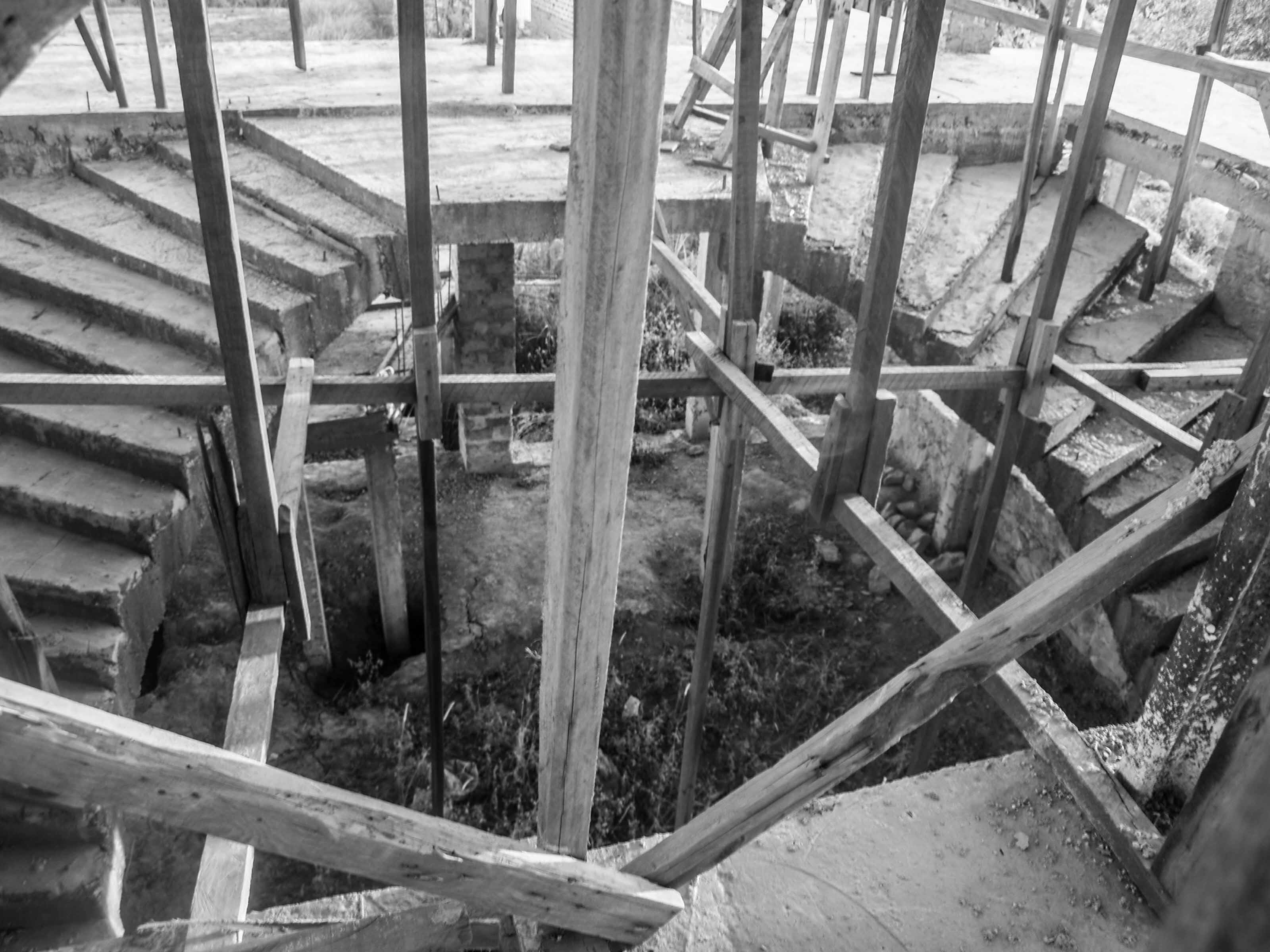
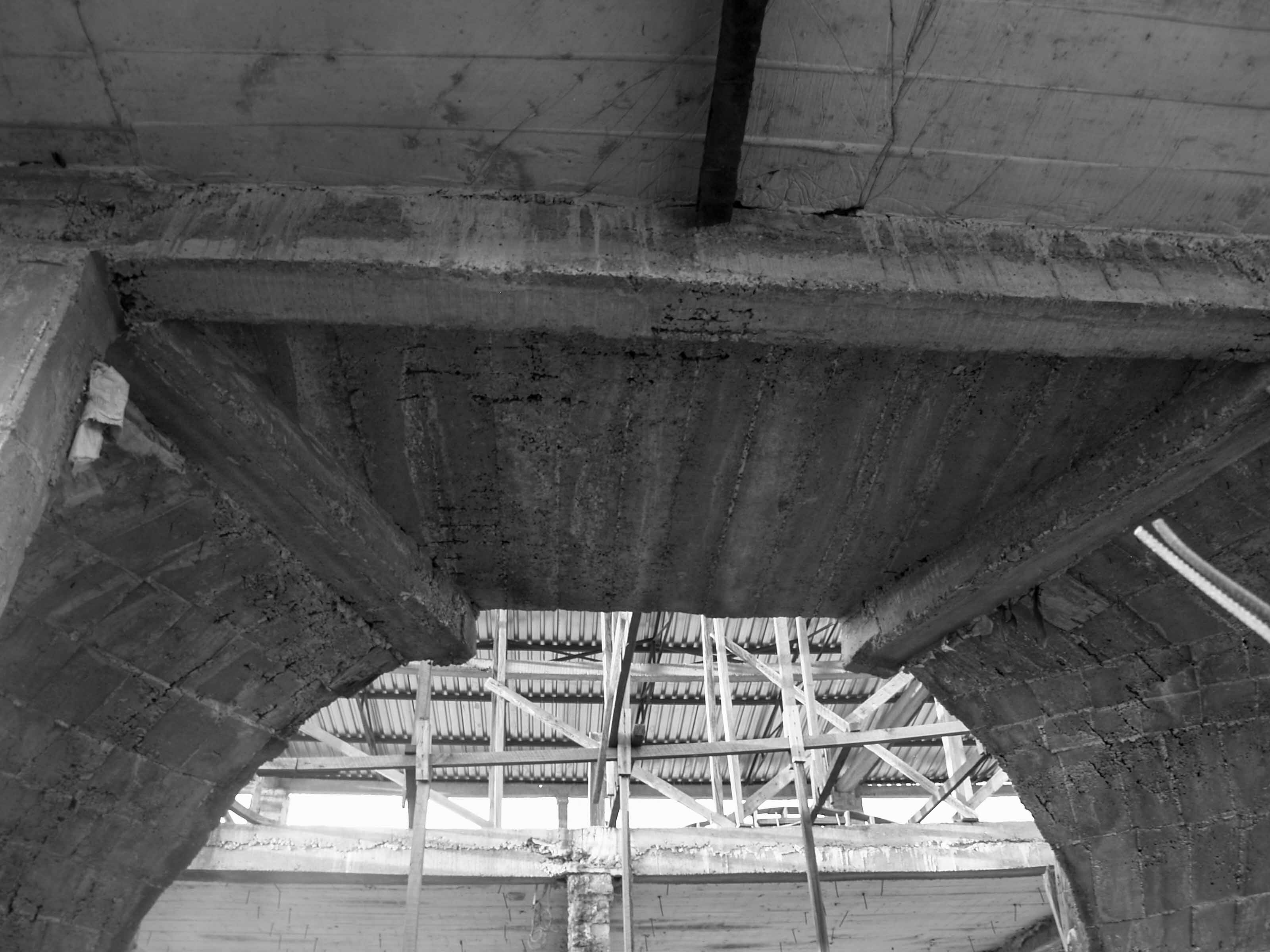
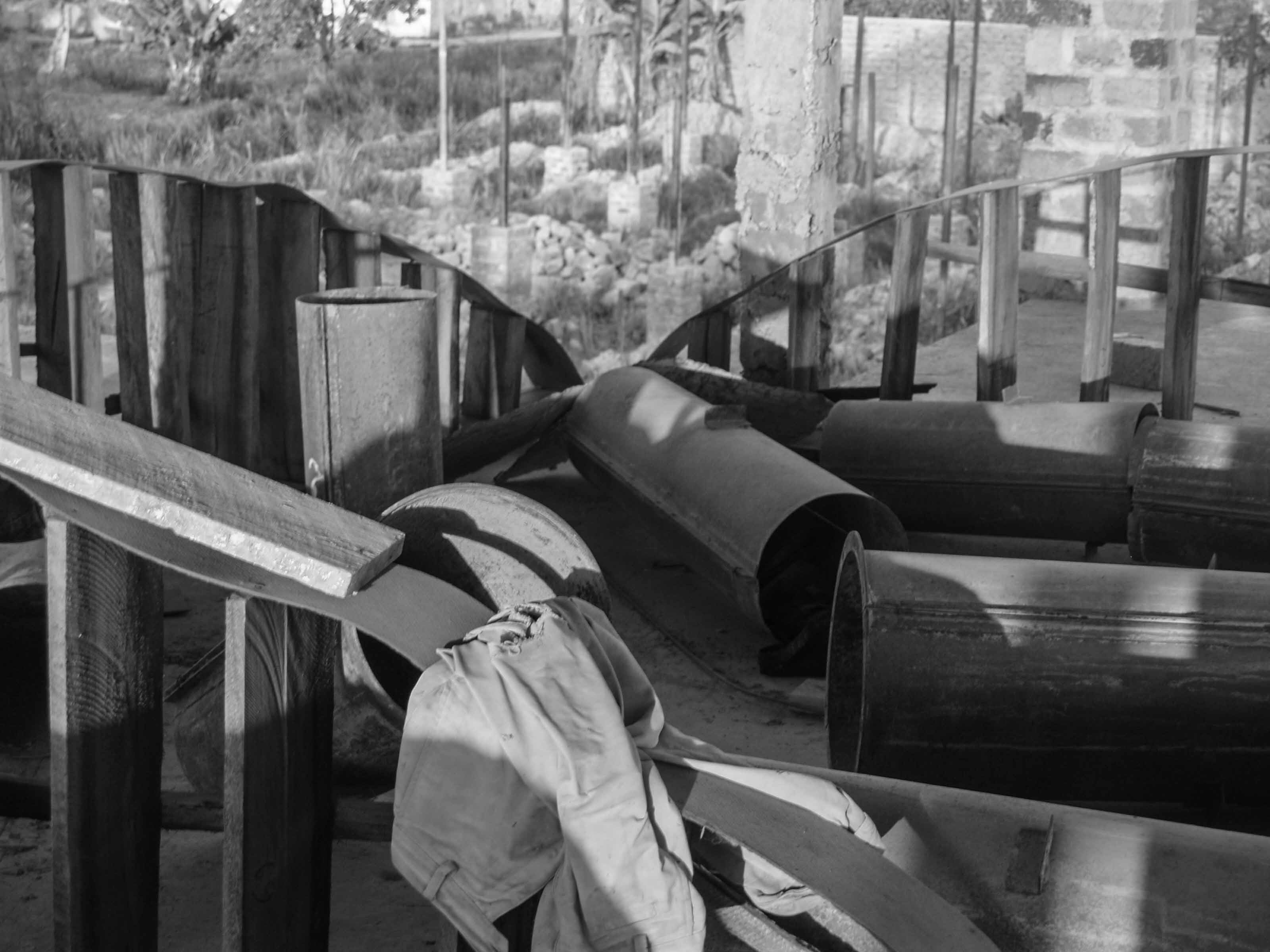
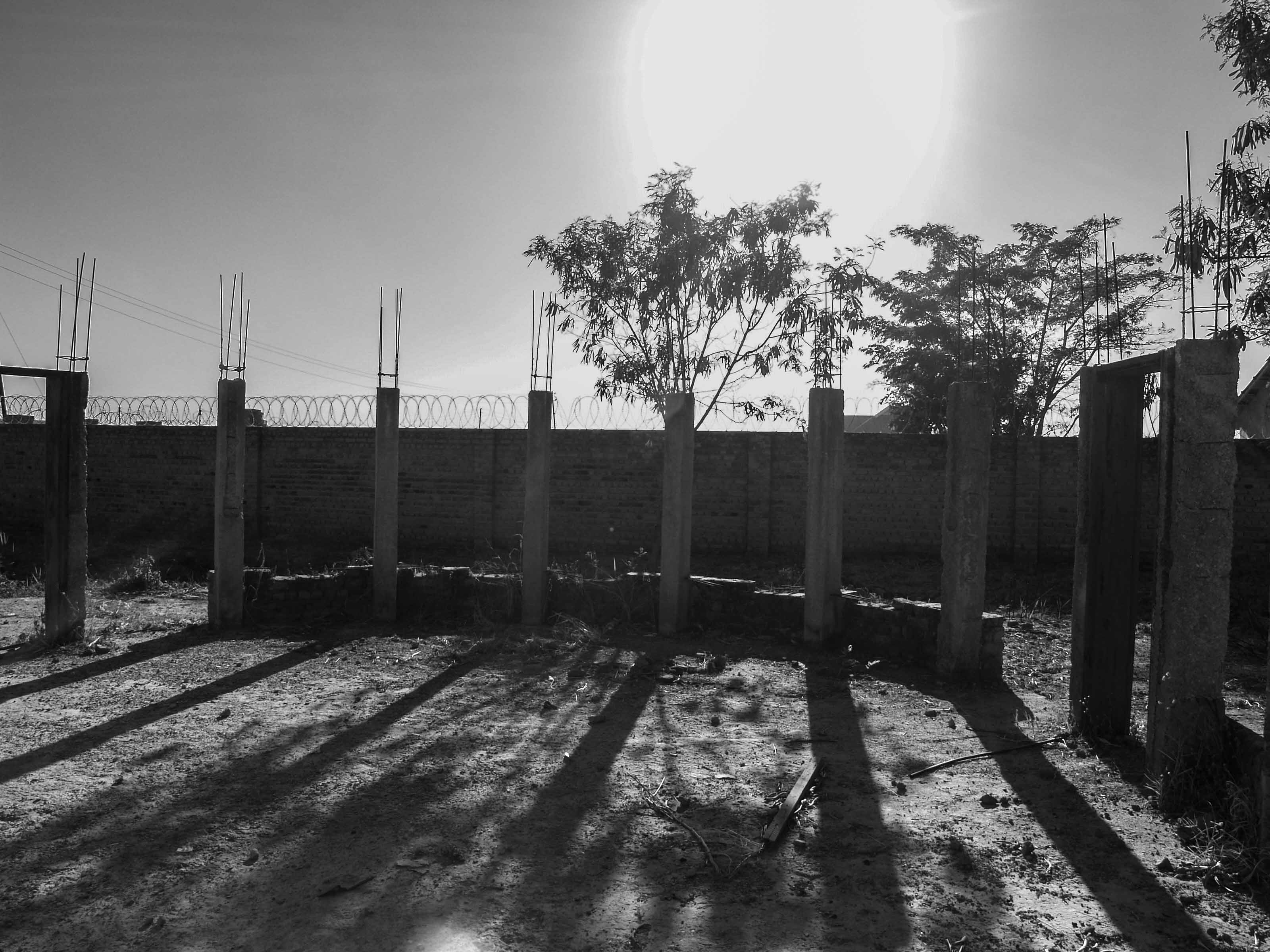
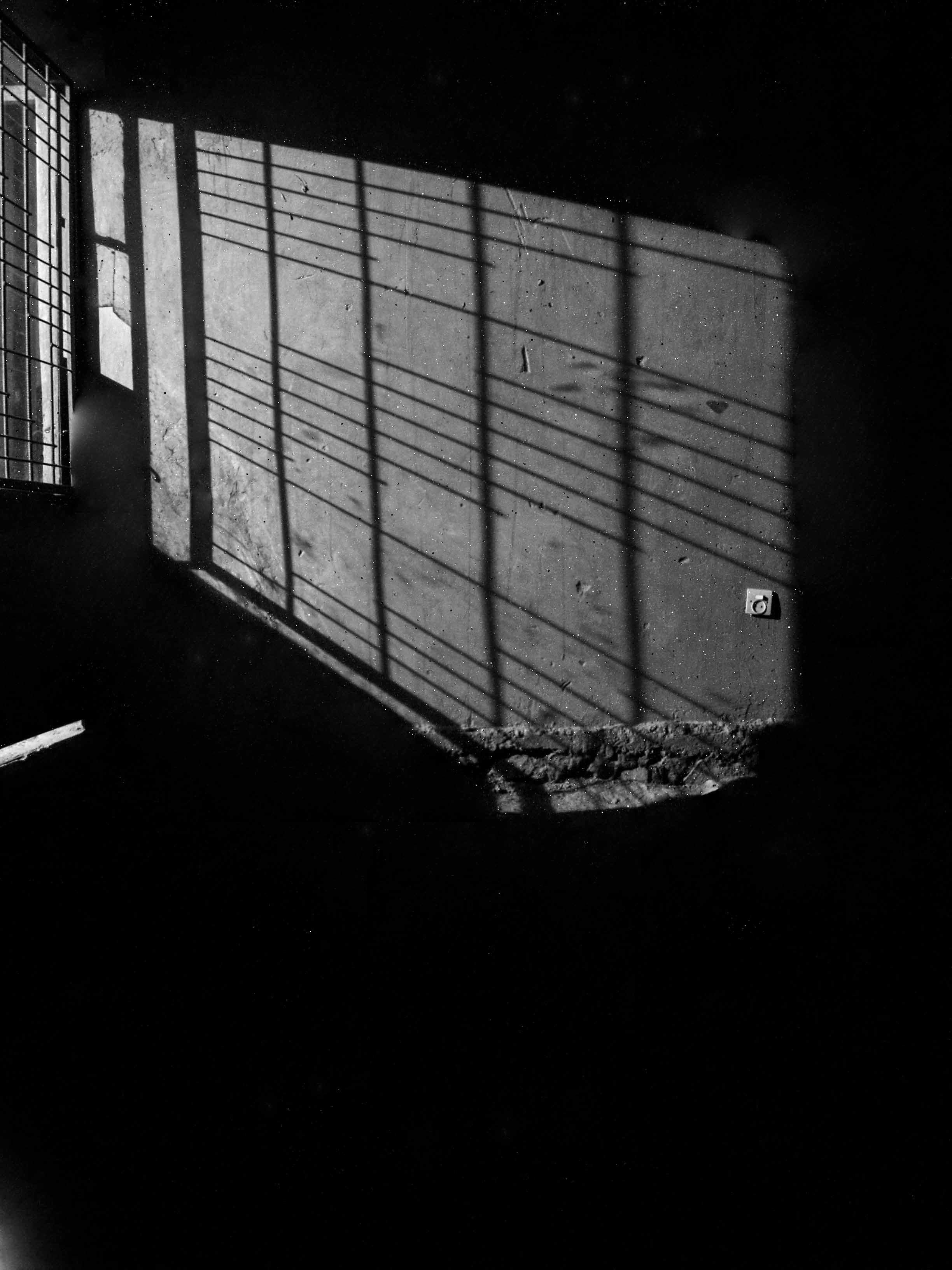
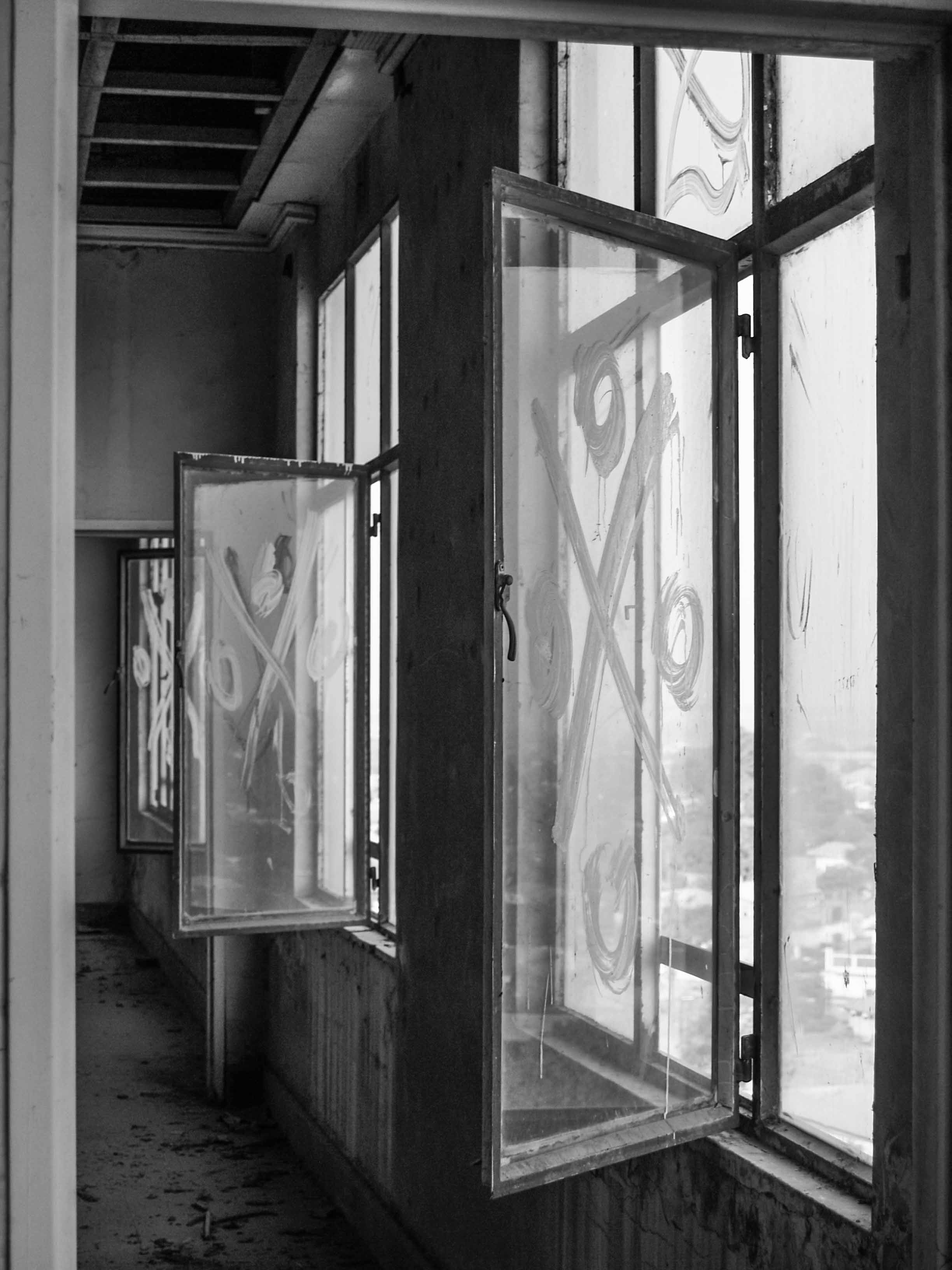
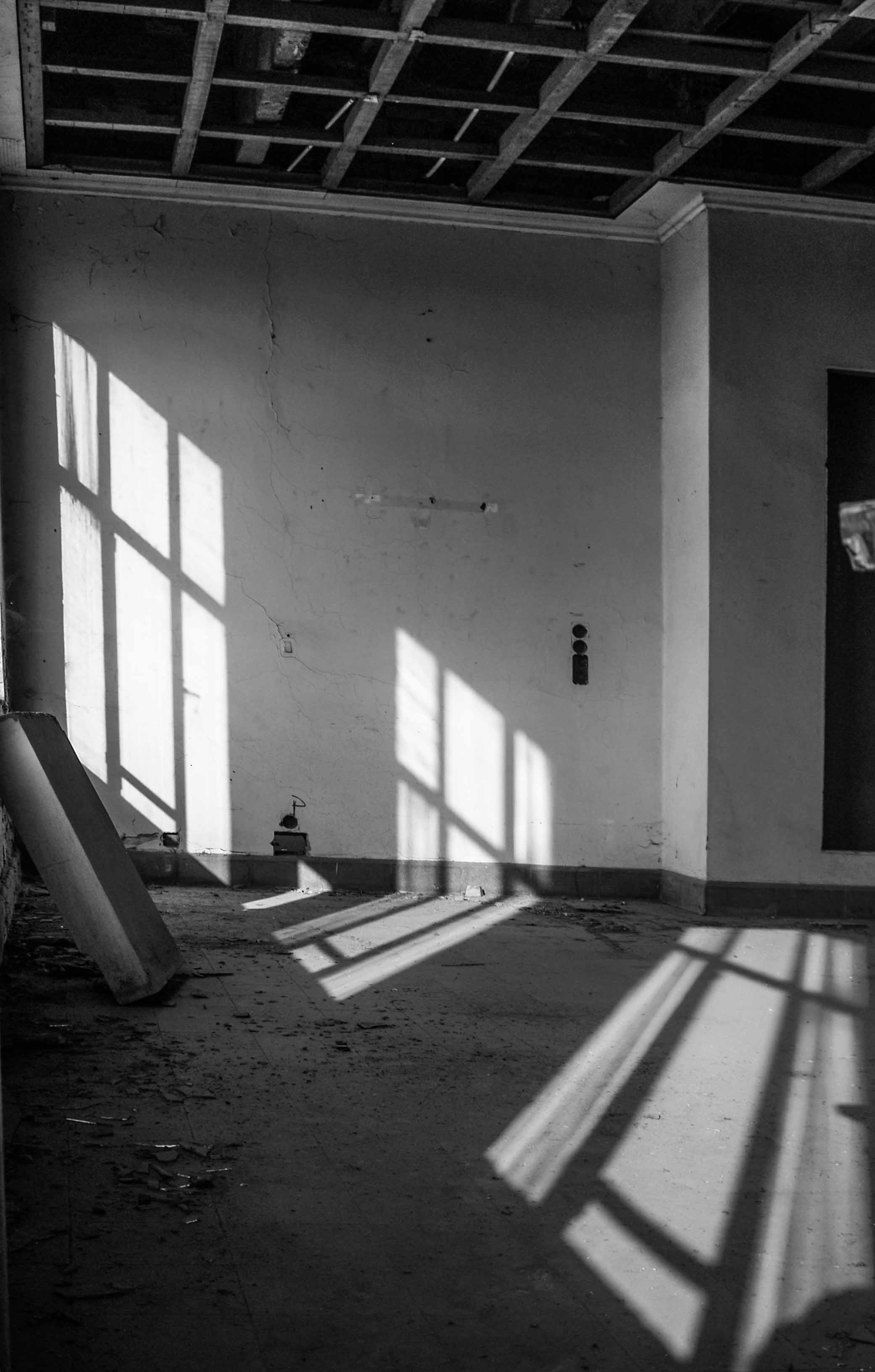
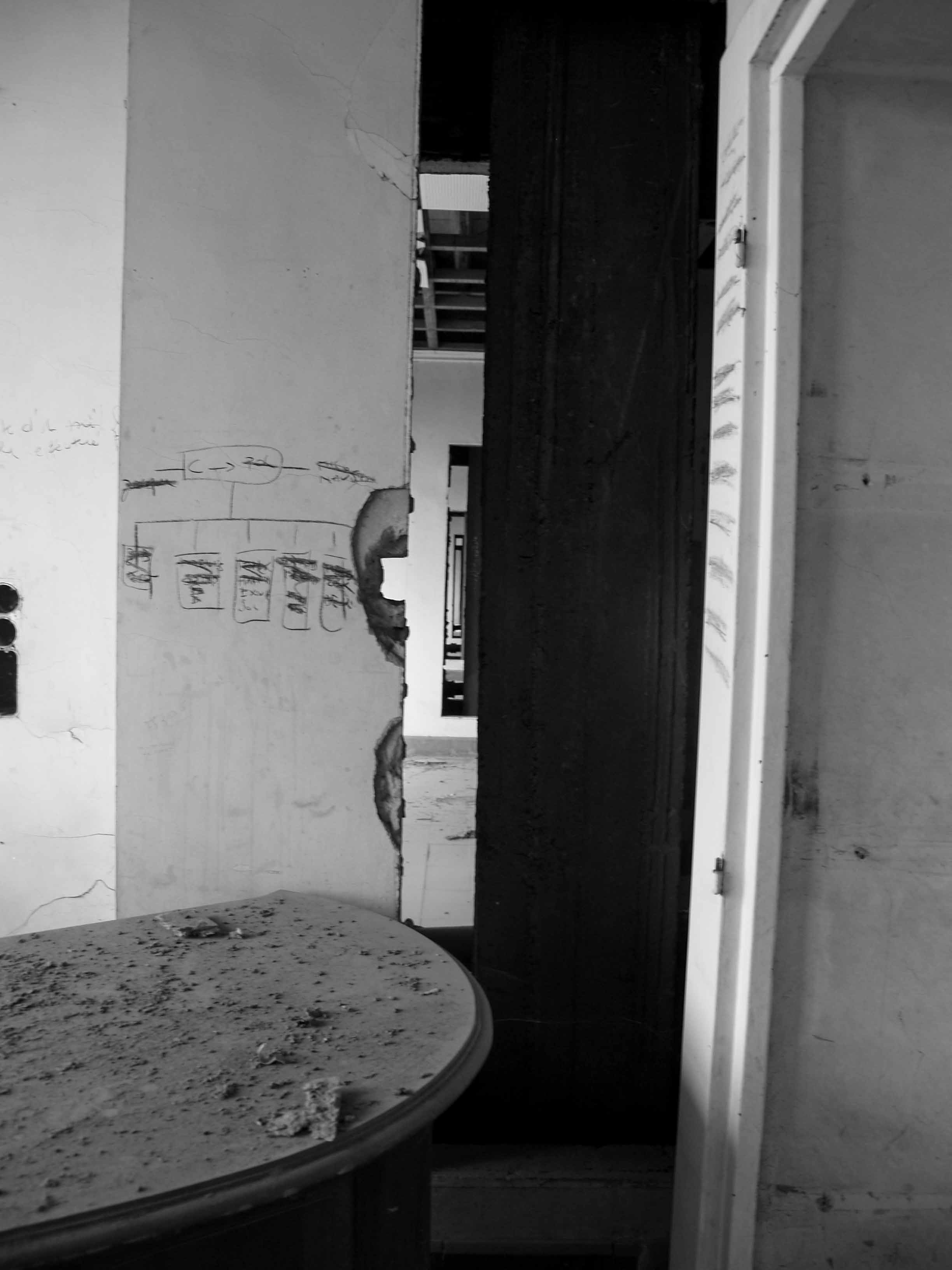
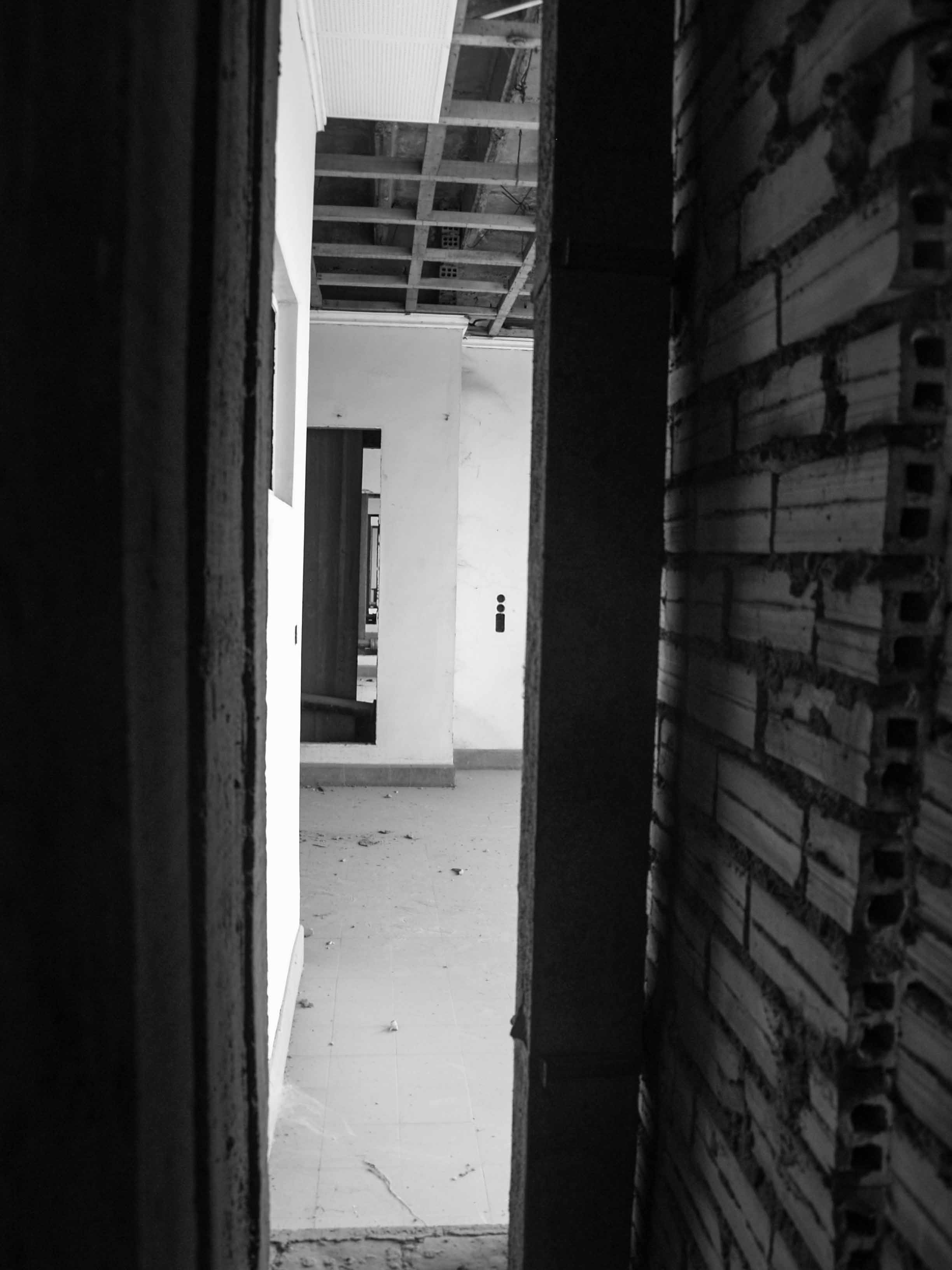
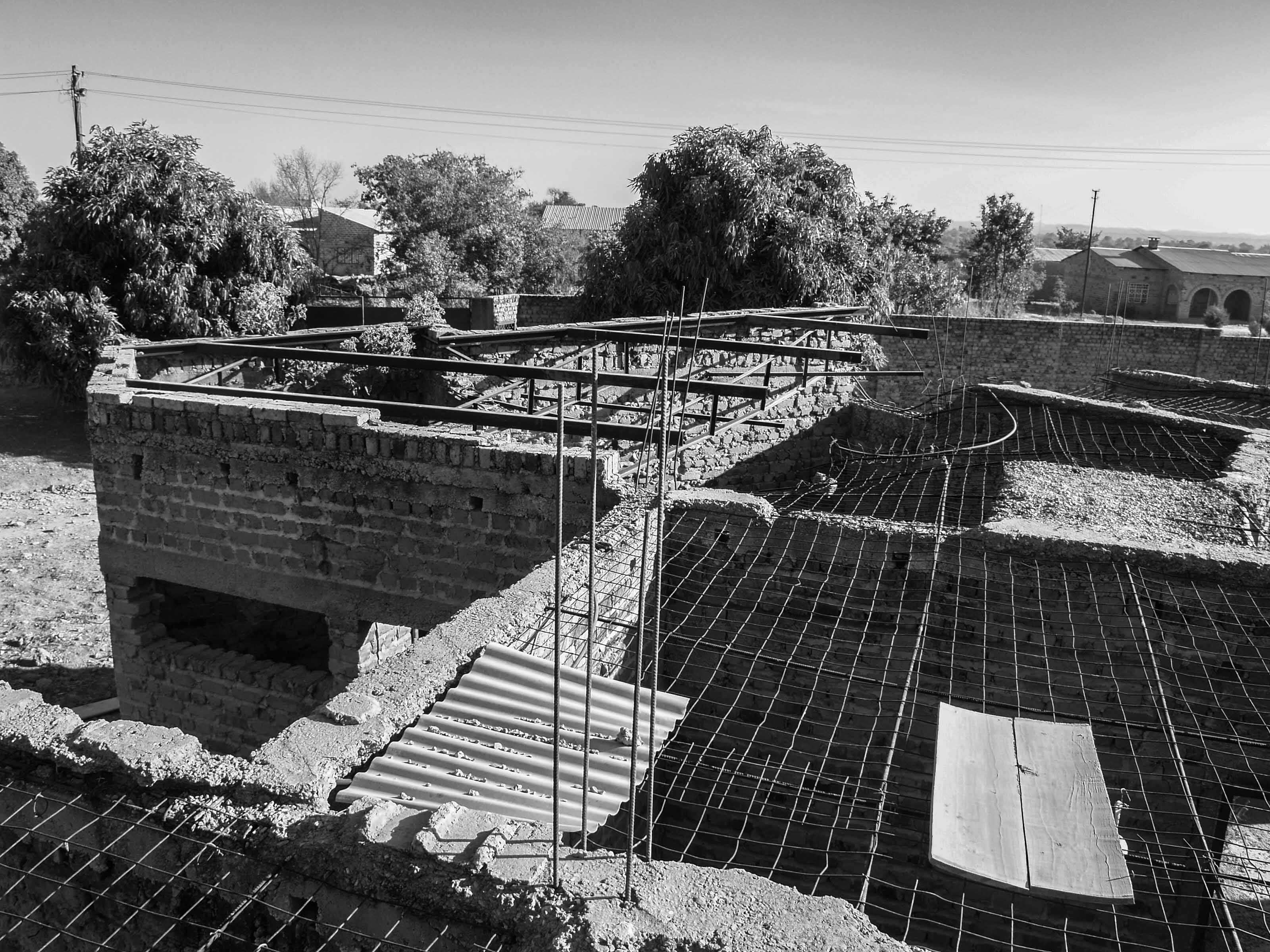
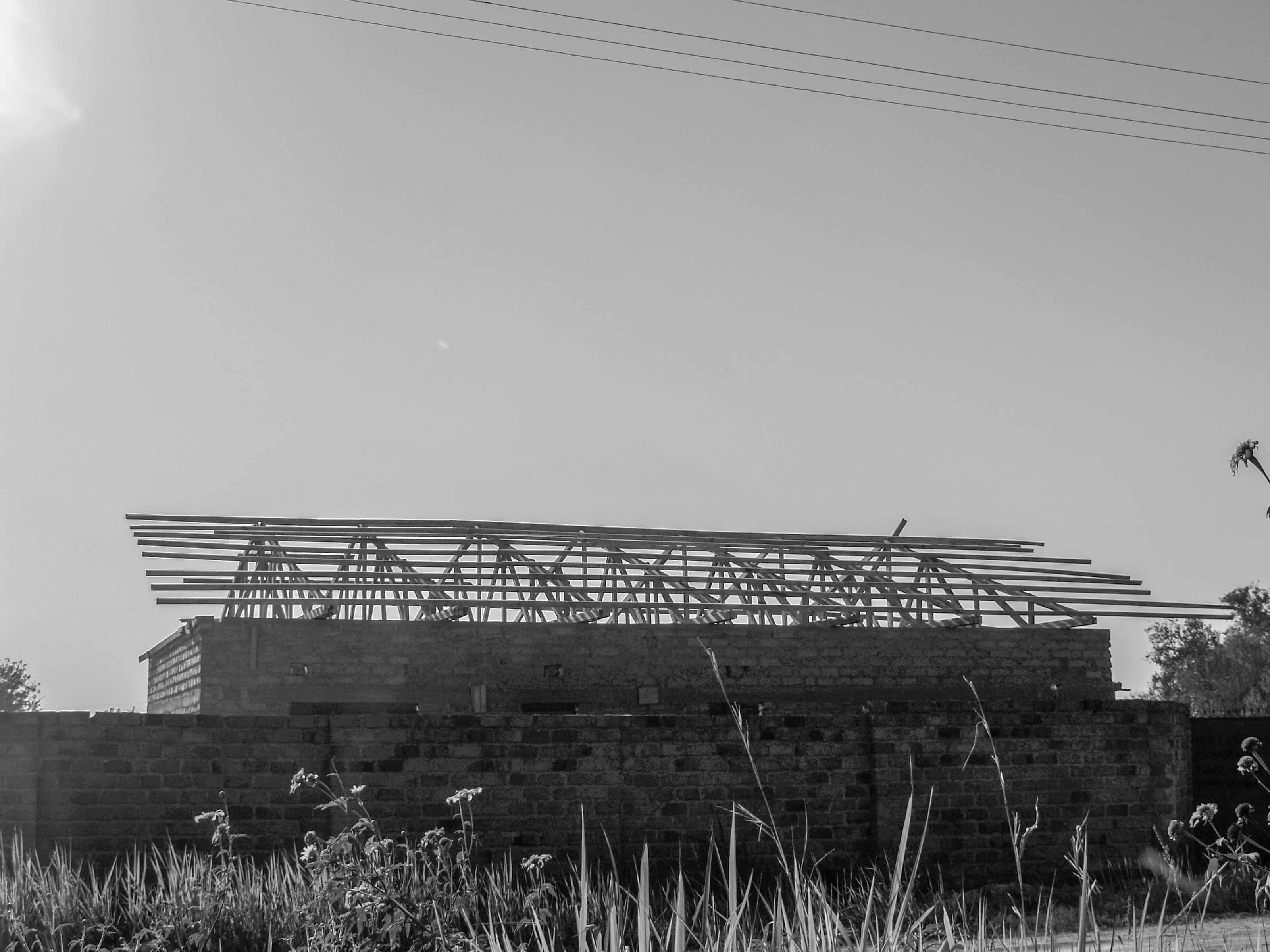
Note: This early work (2008) explores architecture and urban transformation in Lubumbashi, capturing construction sites and the traces of human activity in spaces between the unfinished and the complete. The project questions the old and the new, finding what is completed in the unfinished state and vice versa.