Le Vide (The Void)
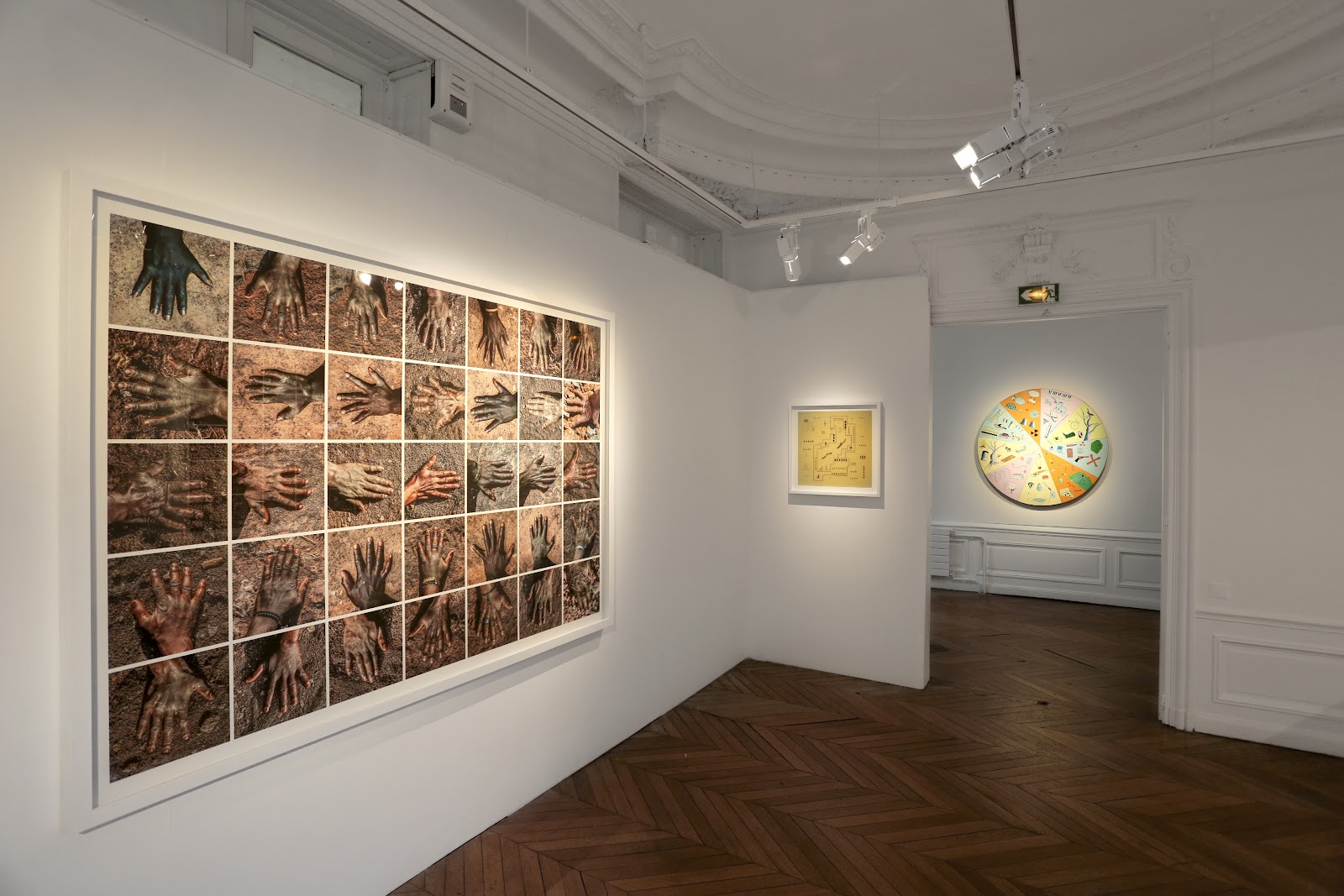
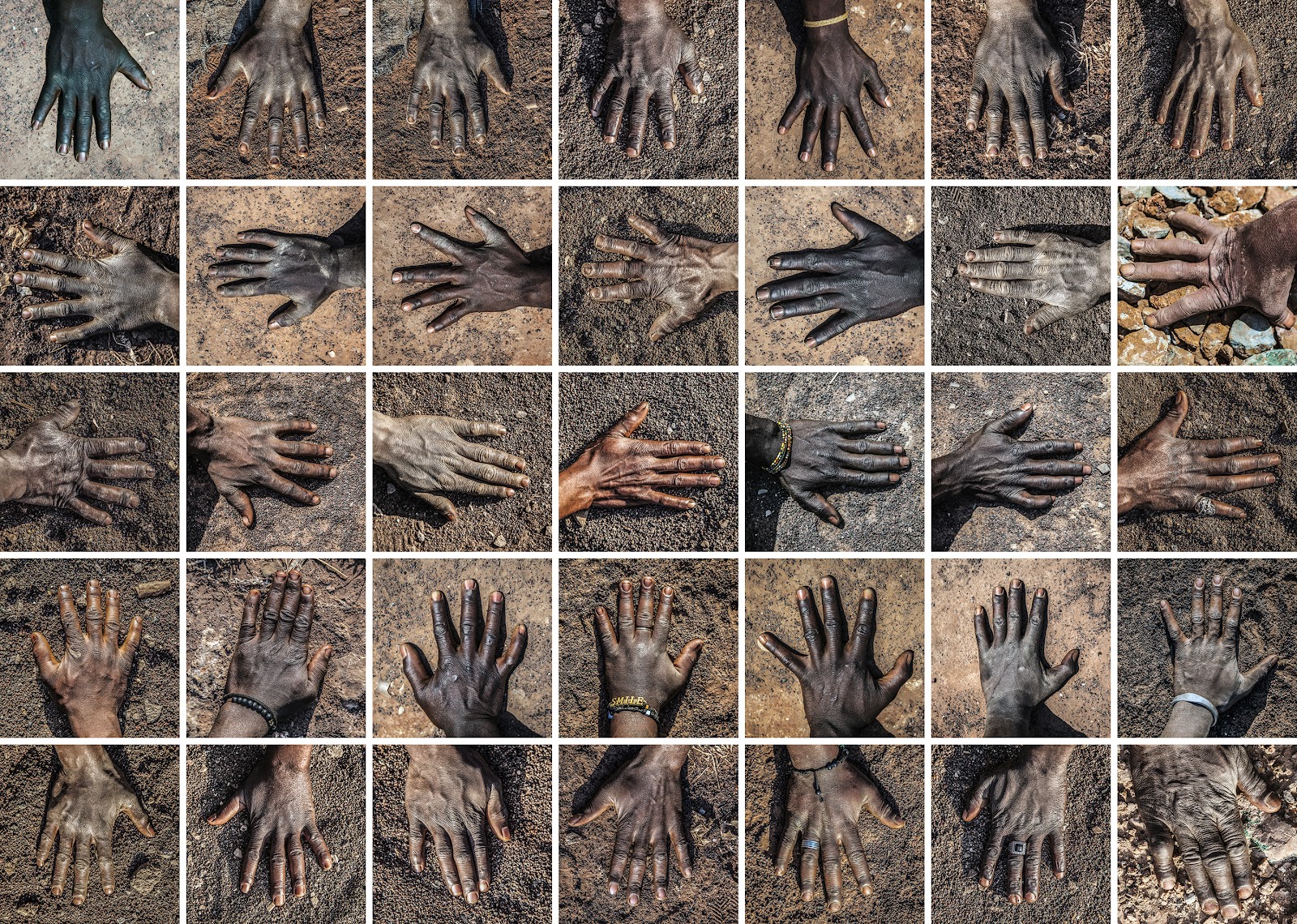
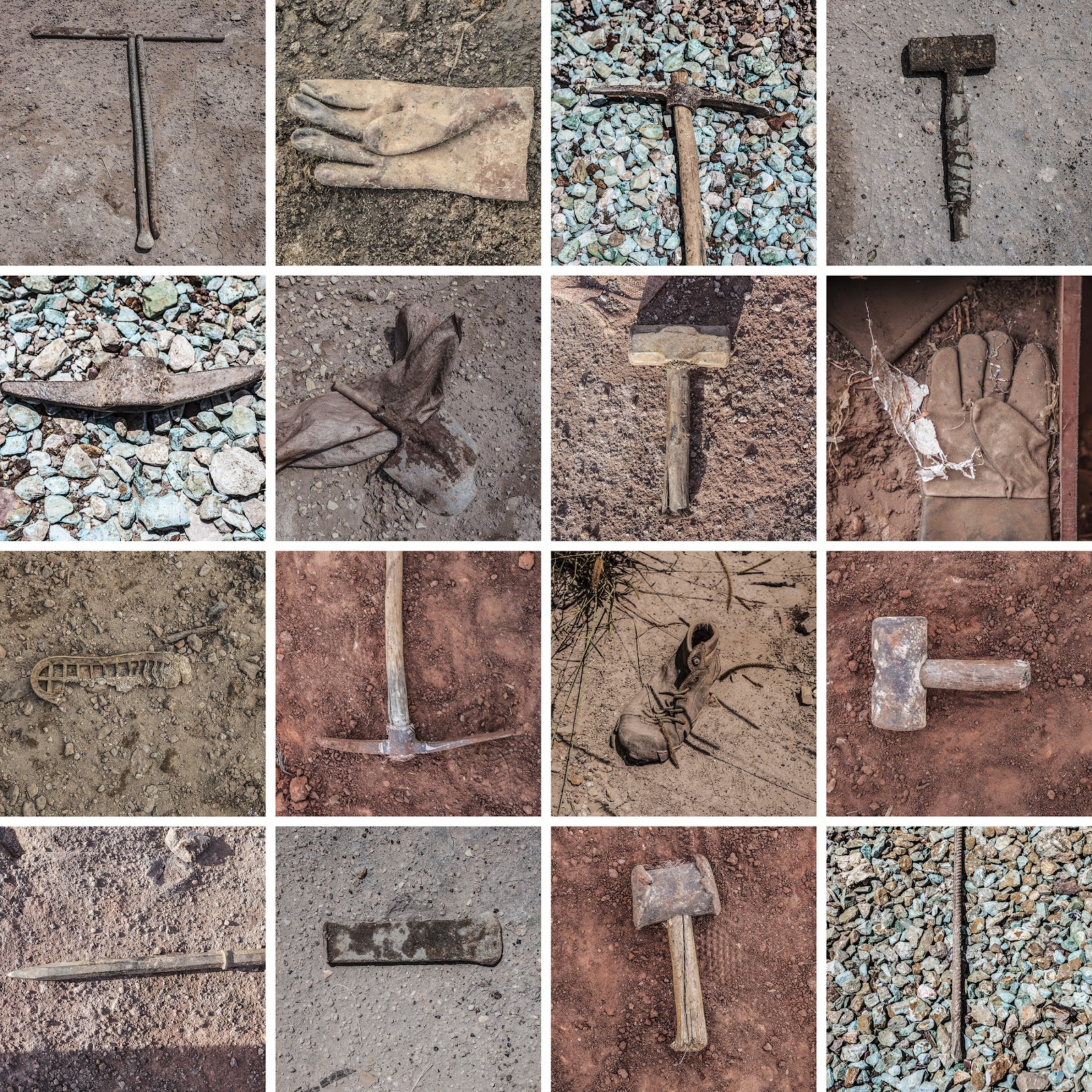
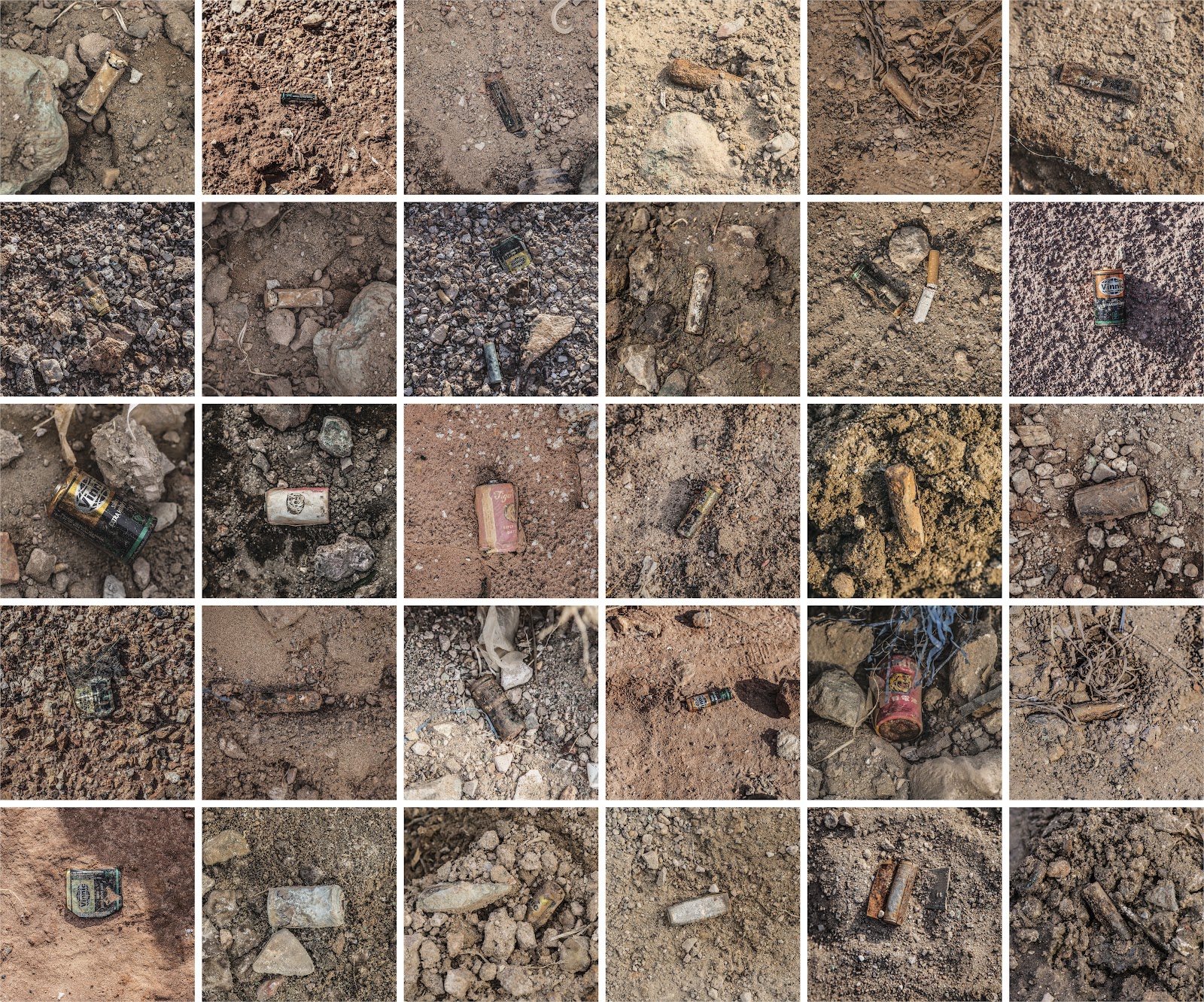
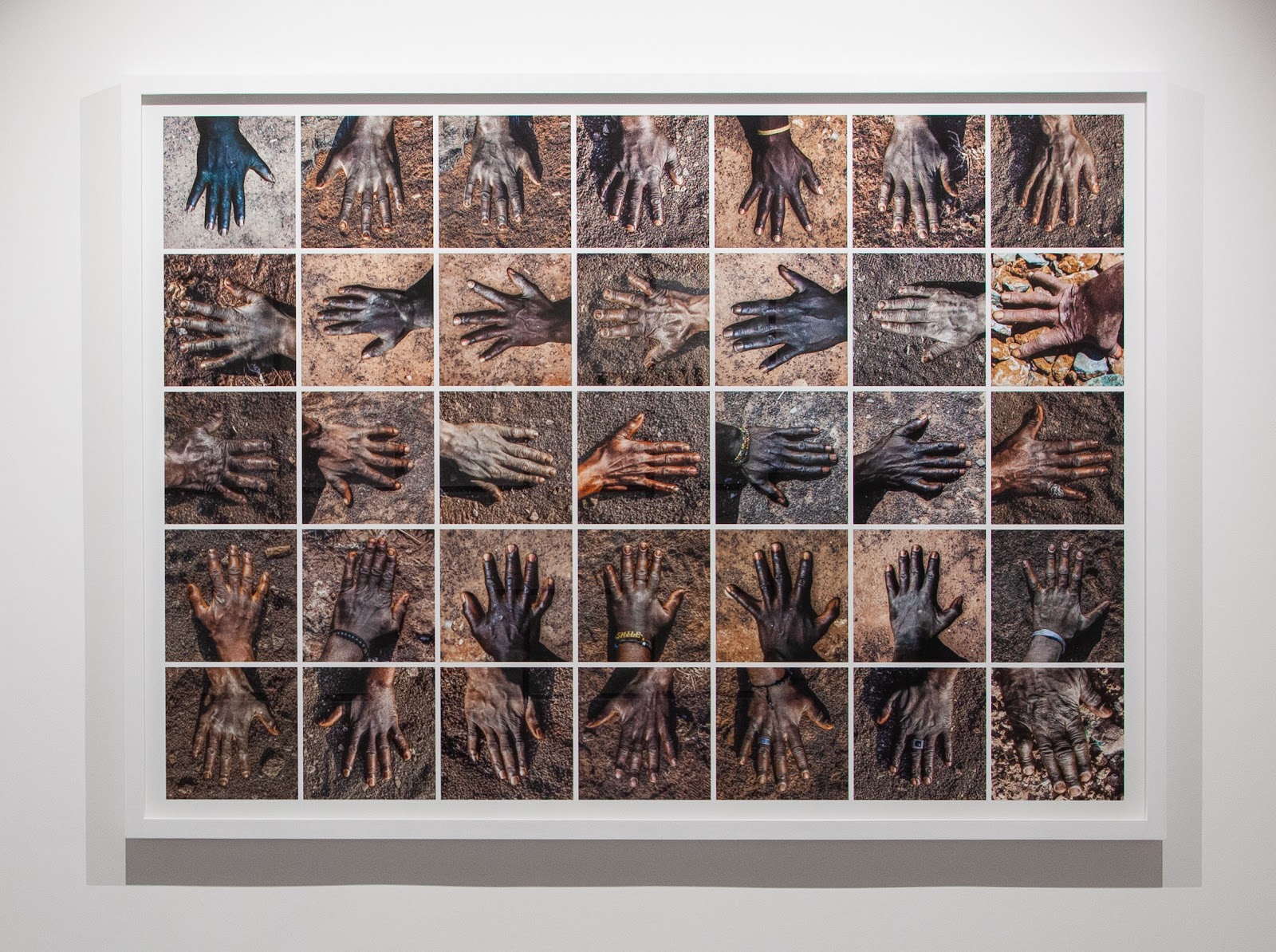
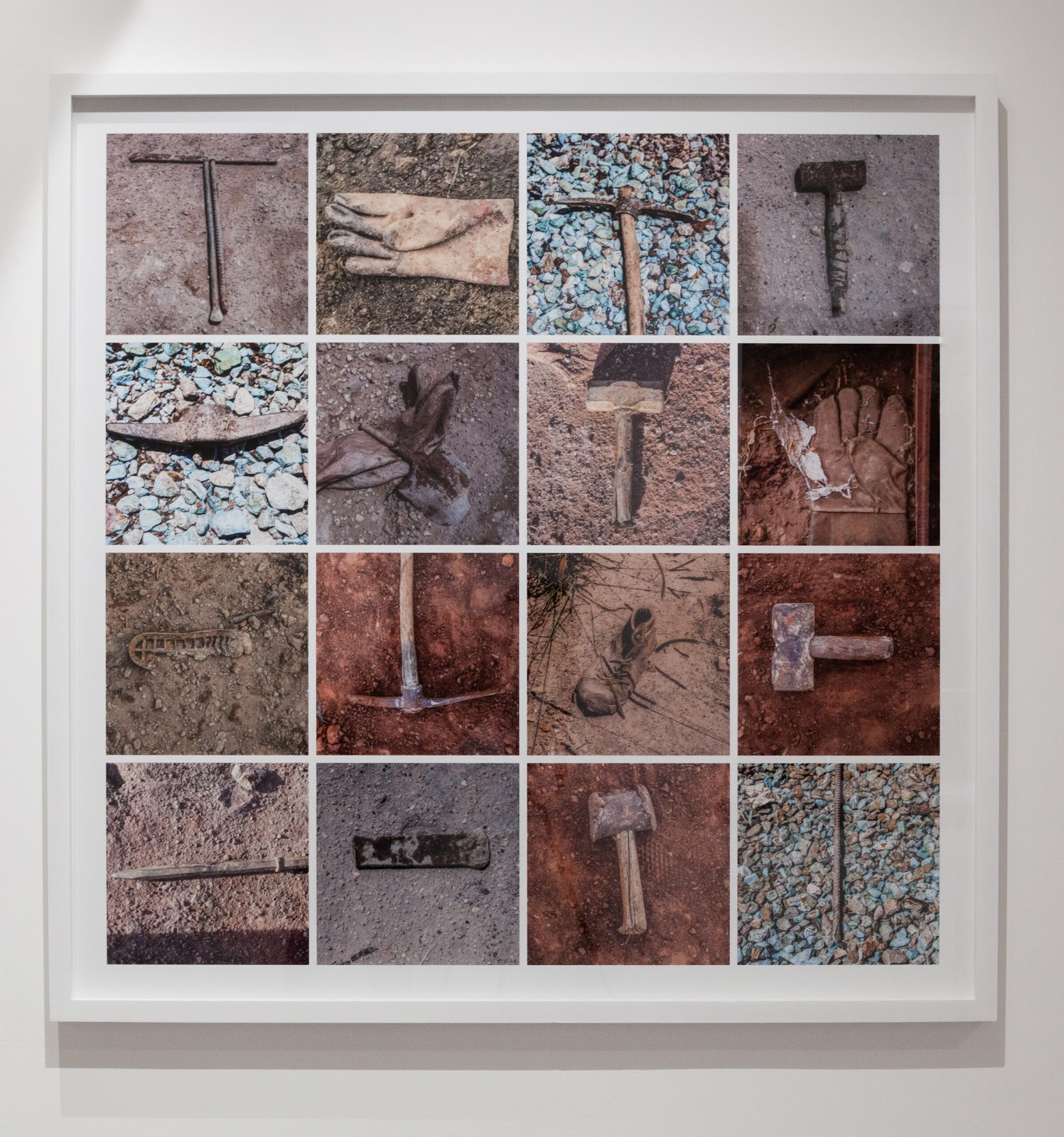
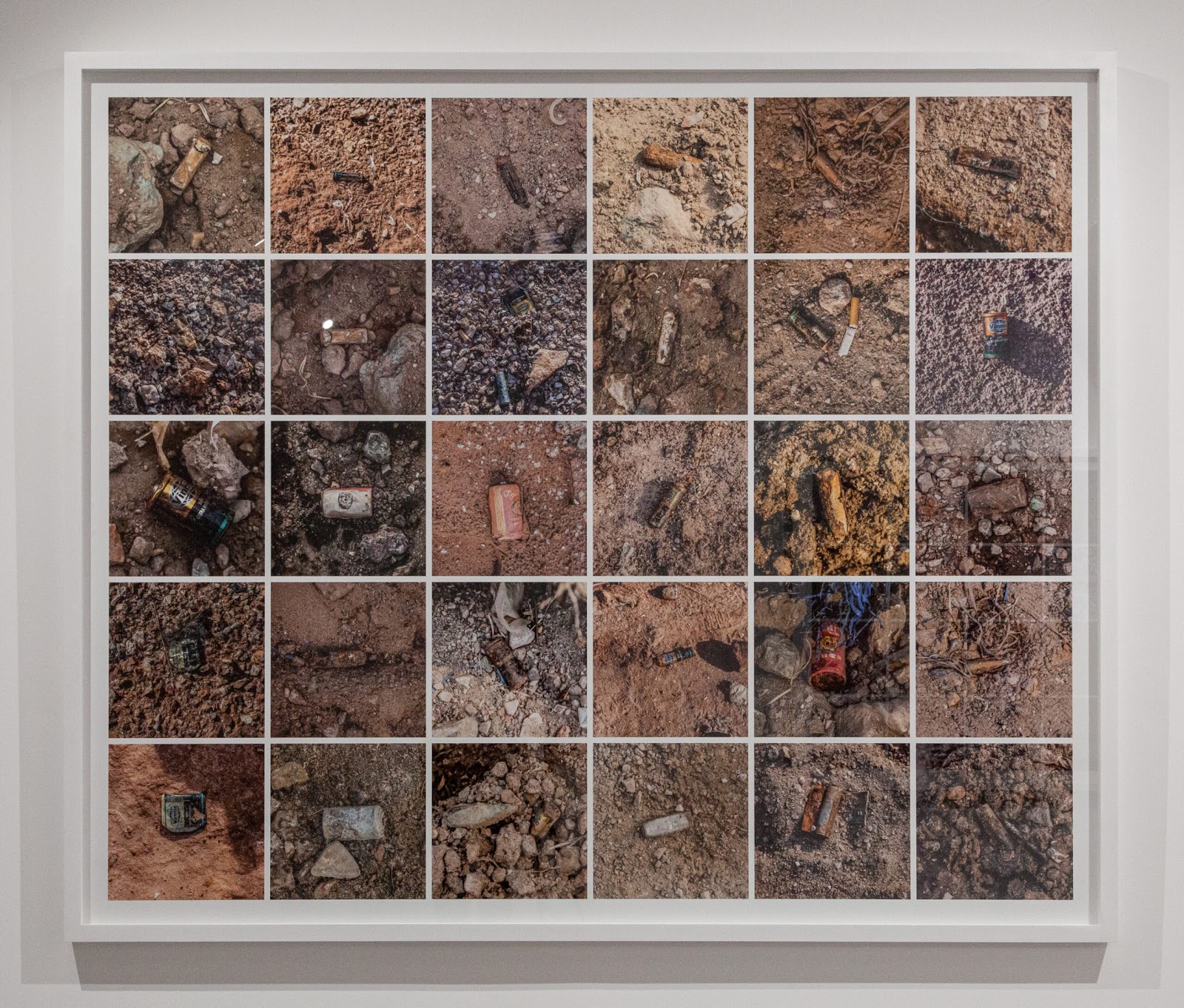
Le Vide / The Void is a series of photographs that investigate the history of the exploitation of natural resources in the D.R. Congo. During the research I look at different traces of that exploitation process throughout history, from the Bantu people at the time of the Kingdom of Kongo, to Congo Free State, and from Belgian Congo to the present day Democratic Republic of Congo (DRC). The main extraction method was and still is manual labor. Hands are used in different ways and have multiple functions in the material transformation process that are instrumental for the survival of man.
In this aspect I look back both at the period of "LWANZO LWA MIKUBA", the so called copper eaters (from the 9th to the 19th centuries CE), in Katanga, DRC, when copper was not just extracted but also processed to make the famous Katanga cross or croisettes that served as an international trading currency.
But also the period of "CONGO FREE STATE" (1885 - 1908) when the atrocious exploitation of natural rubber by the Belgian king Leopold II was forcing the Congolese to harvest impossible quantities. The common punishment for non-compliance or failing to deliver the obligated daily quota was death or the cutting off of one or even both hands.
I also revisit the "BELGIAN CONGO" period (1908 - 1960), when the huge commodity trading and mining company Union Minière du Haut Katanga (UMHK, which became Gécamines in 1966) completely transformed the Katanga province. As most of the population of Katanga did not want to work for UMHK as a miner, a large migration of people from Central Congo and Rwanda was set in motion that permanently changed the social demography.
After the downfall of the great Gécamines Company in the early 90s (in 1989, Gécamines provided 85% of DRC's export earnings and was the largest provider of jobs), the newly unemployed but very knowledgeable miners started to mine artisanal, or by hand. In 'Gécamines cities' like Likasi, Kolwezi and Kipushi, former miners and their children started to collect and melt metal fences, house doors and manholes or drain covers to extract cobalt before ending up in the former quarries of Gécamines. There they mine raw materials by hand, which is still continued until today.
The Void Polyptychs
Exhibition Views
Historical context: From the copper eaters (9th-19th centuries) to Congo Free State's rubber exploitation under Leopold II, from Union Minière's transformation of Katanga to today's artisanal mining after Gécamines' collapse in the early 90s — the exploitation of DR Congo's resources is a continuous thread through history.