Format
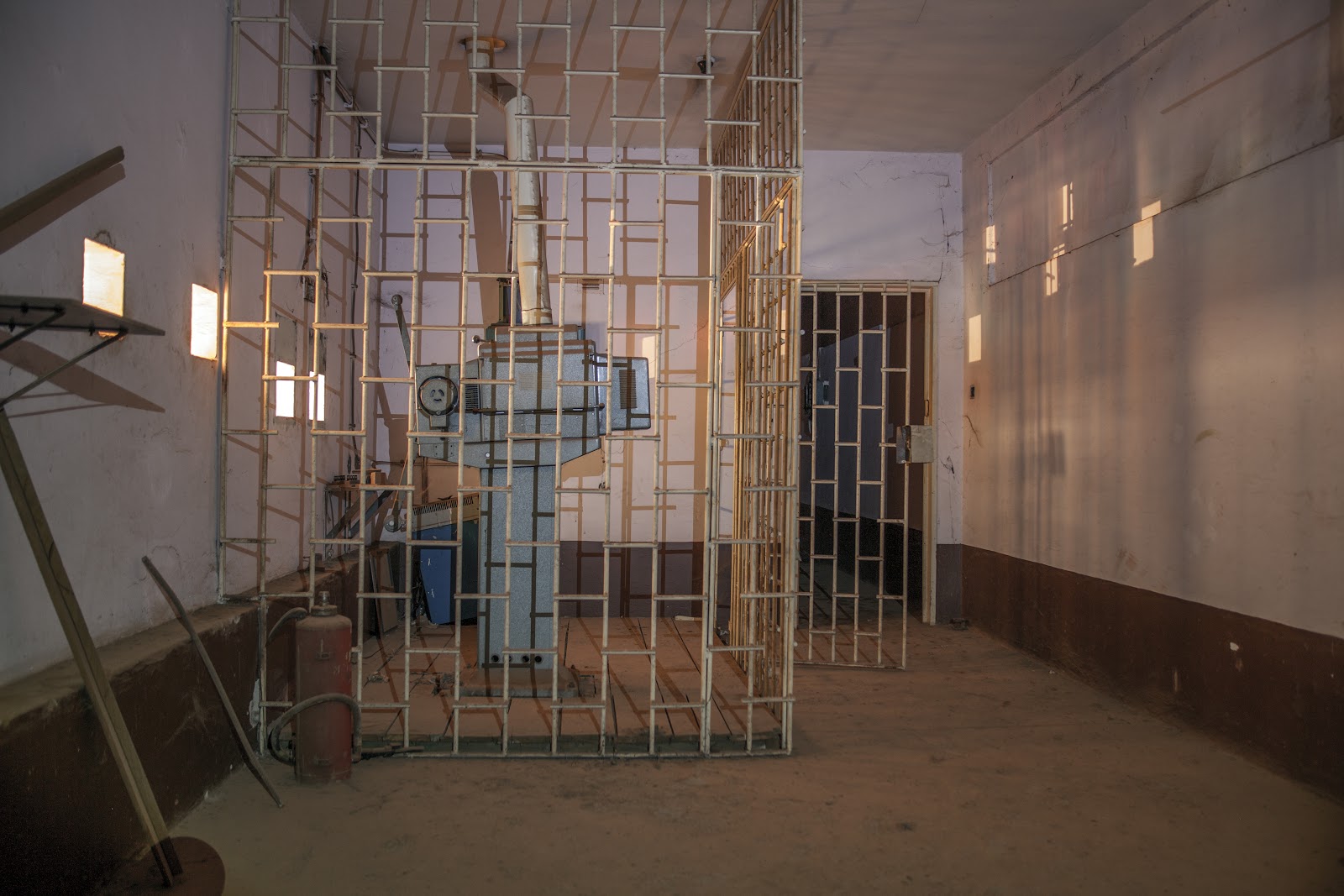
Format questions the activity of movie theatres in Katanga Province before and after independence. Before independence, the social classes between Black community and White community created deep divisions.
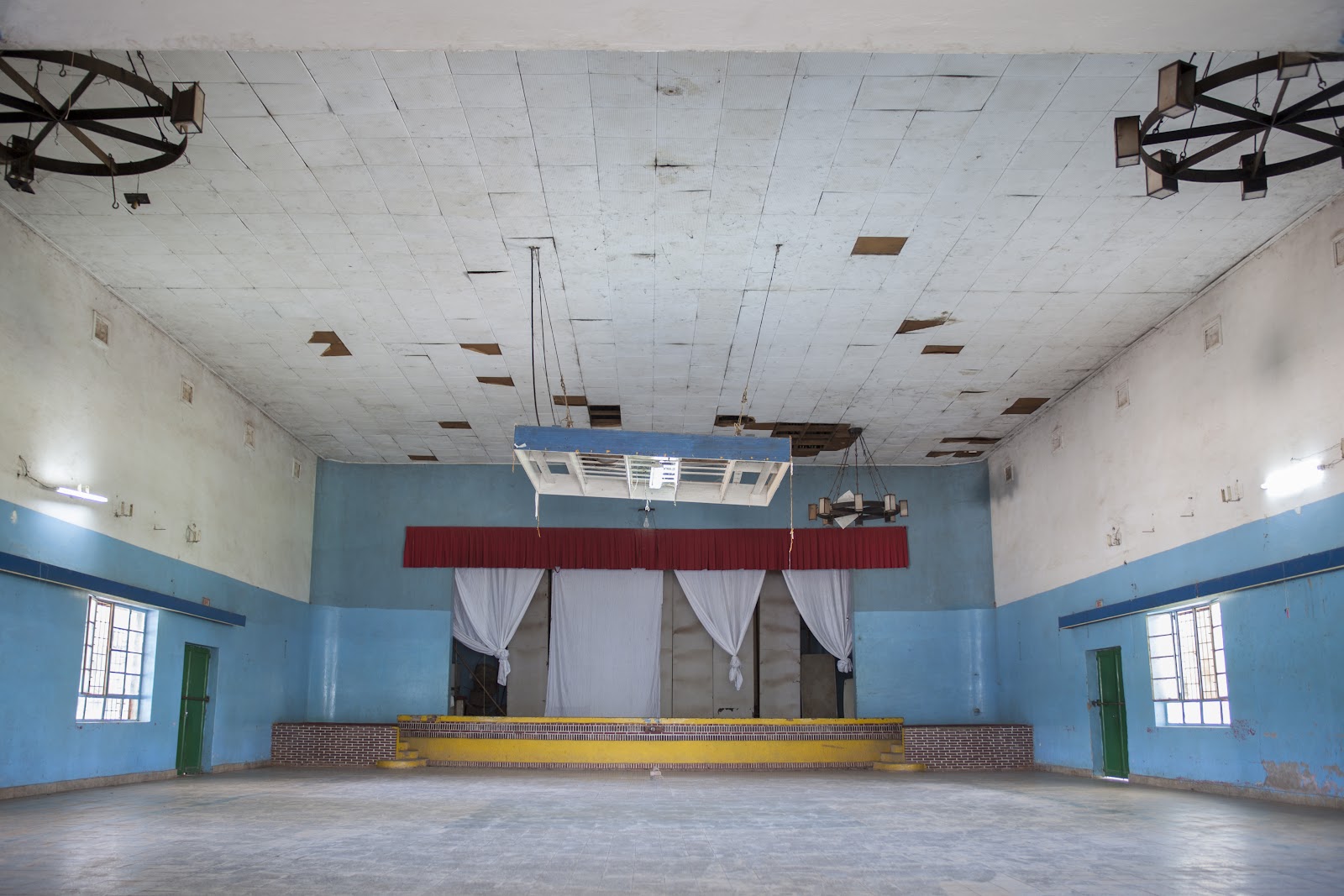
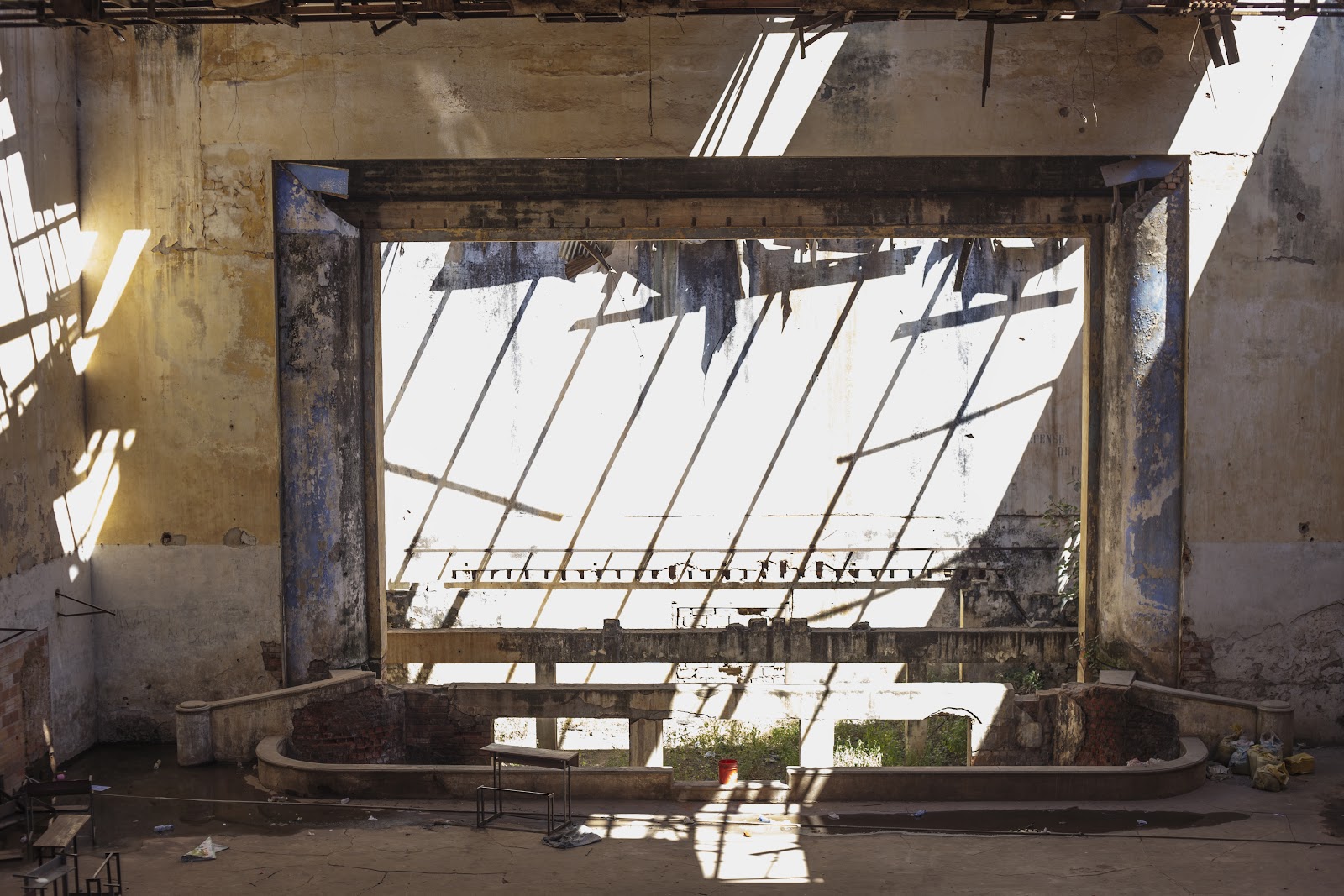
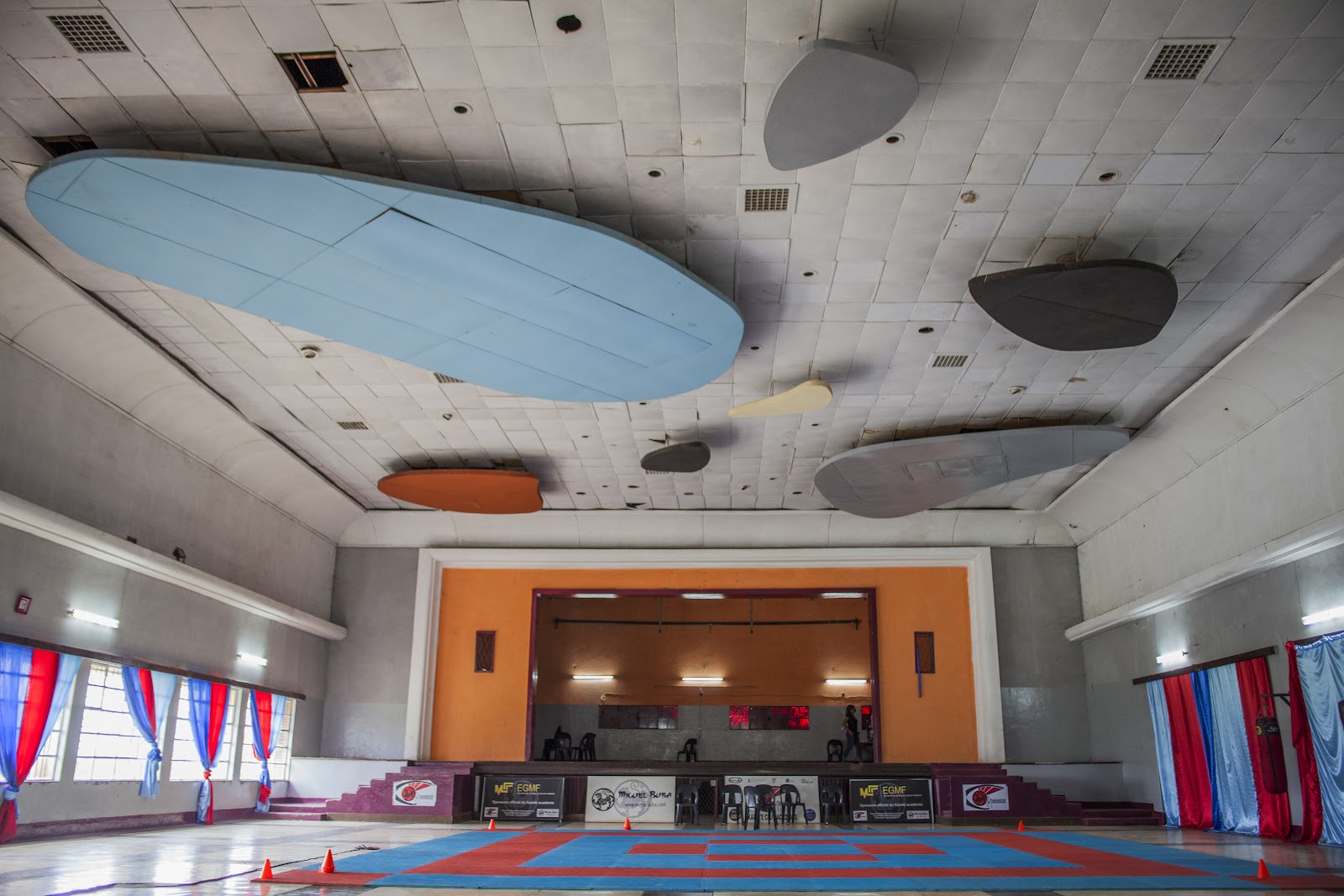
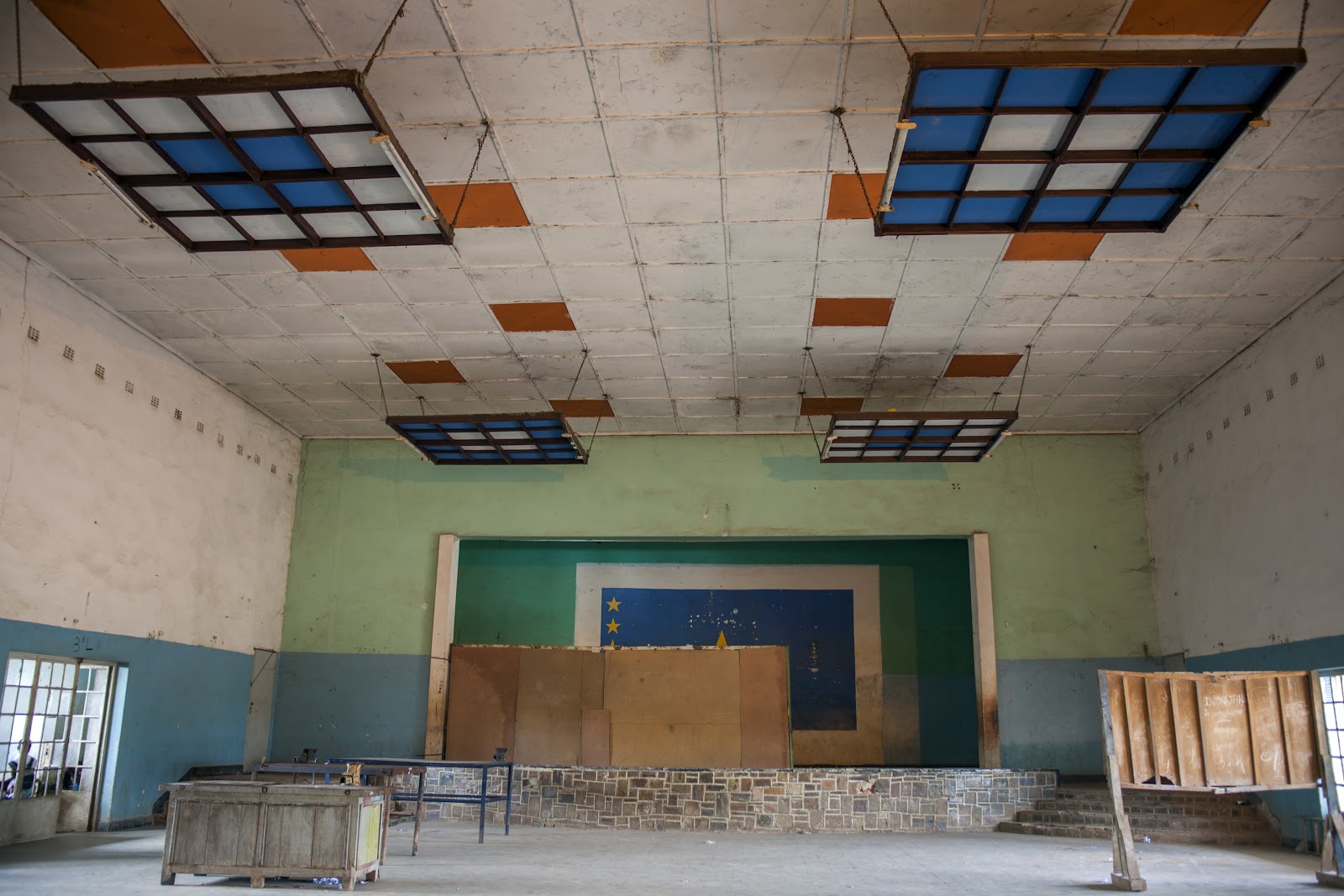
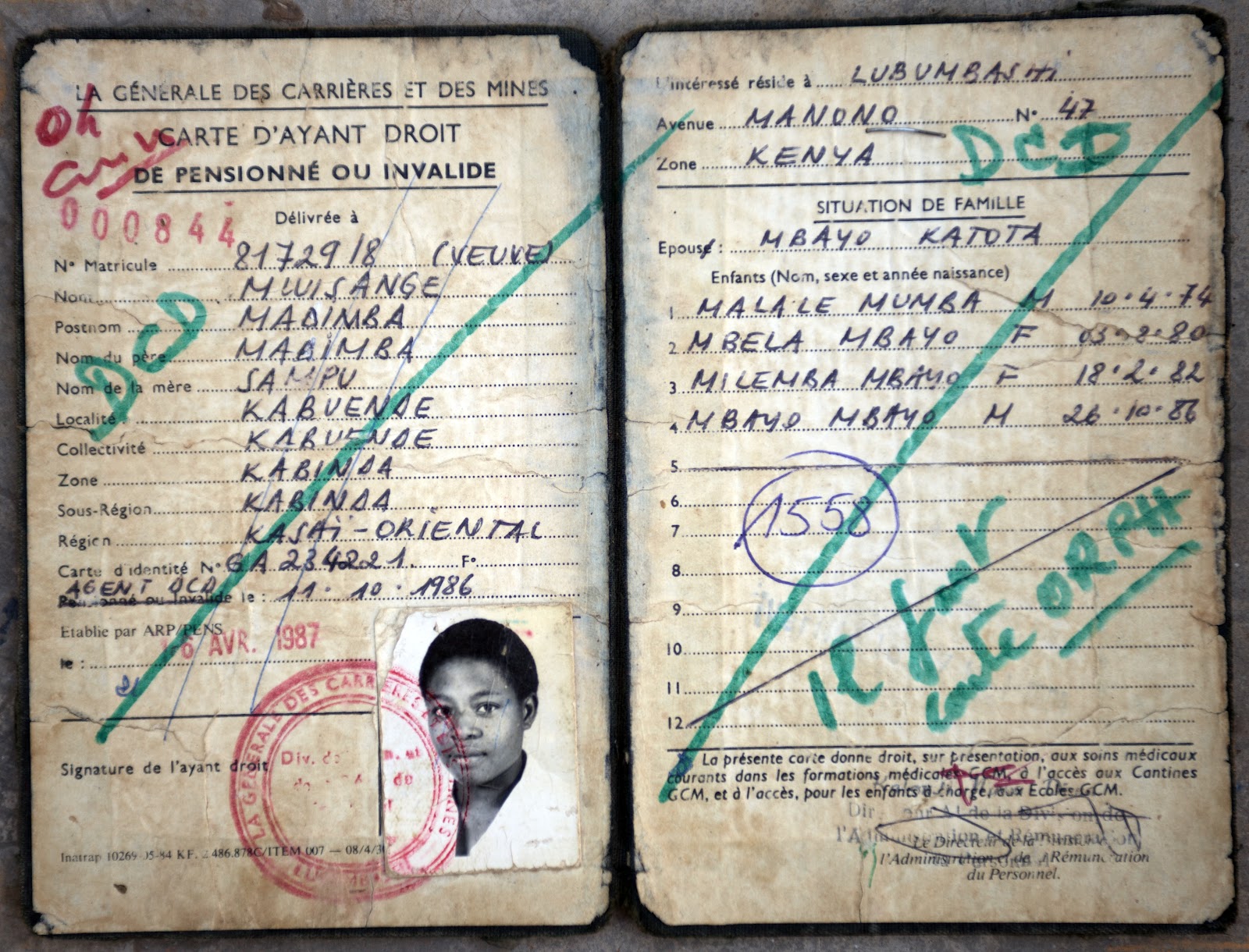
I focused one part on the Gécamines Mining company and the privileges offered to their employees, such as hospitals, libraries, swimming pools, and cinemas. These spaces started falling apart at the end of 1989 due to financial crash. Revisiting spaces used to project films connected to Gecamine, they are for me assembled in an archive that represents survival.
The period following independence is part of my personal identity which witnessed the fall of Gécamines. People from Katanga that did not belong to a privileged social class as workers for Gecamine needed to figure out how they could have access to moving images. I was more focused on the Commune of Katuba.
The commune of Katuba where I grew up was one of the first indigenous communes to have a bank loan system for building houses. Those houses were composed of one big living room, two sleeping rooms, and one little small room that was used as storage. In a township like Katuba, televisions were very rare. People who had them, it was a special object managed only by the responsible of the house (the father). Without him, no one could enter the living room or turn on the television. To watch a movie or football game, it had to be a very specific occasion.
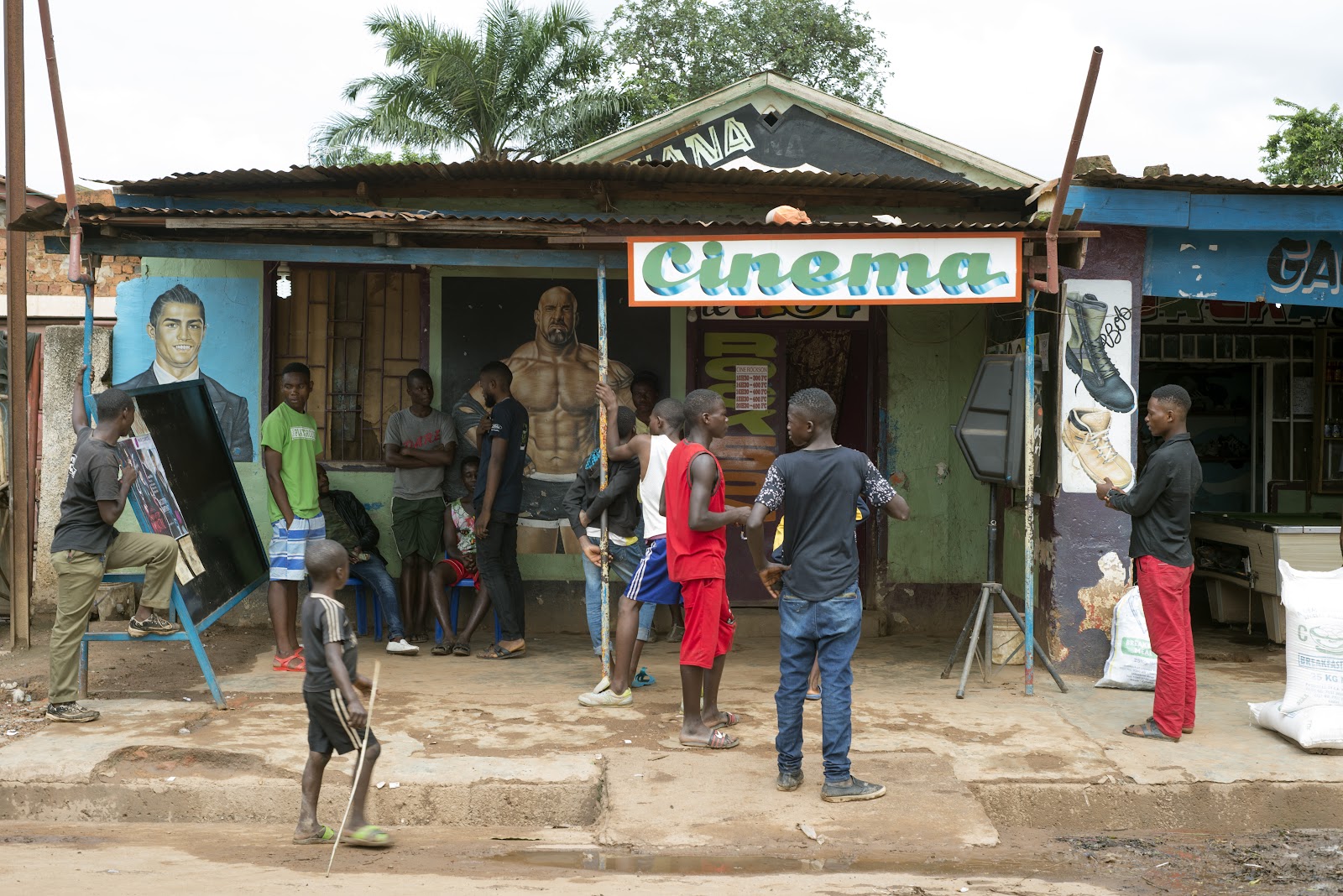
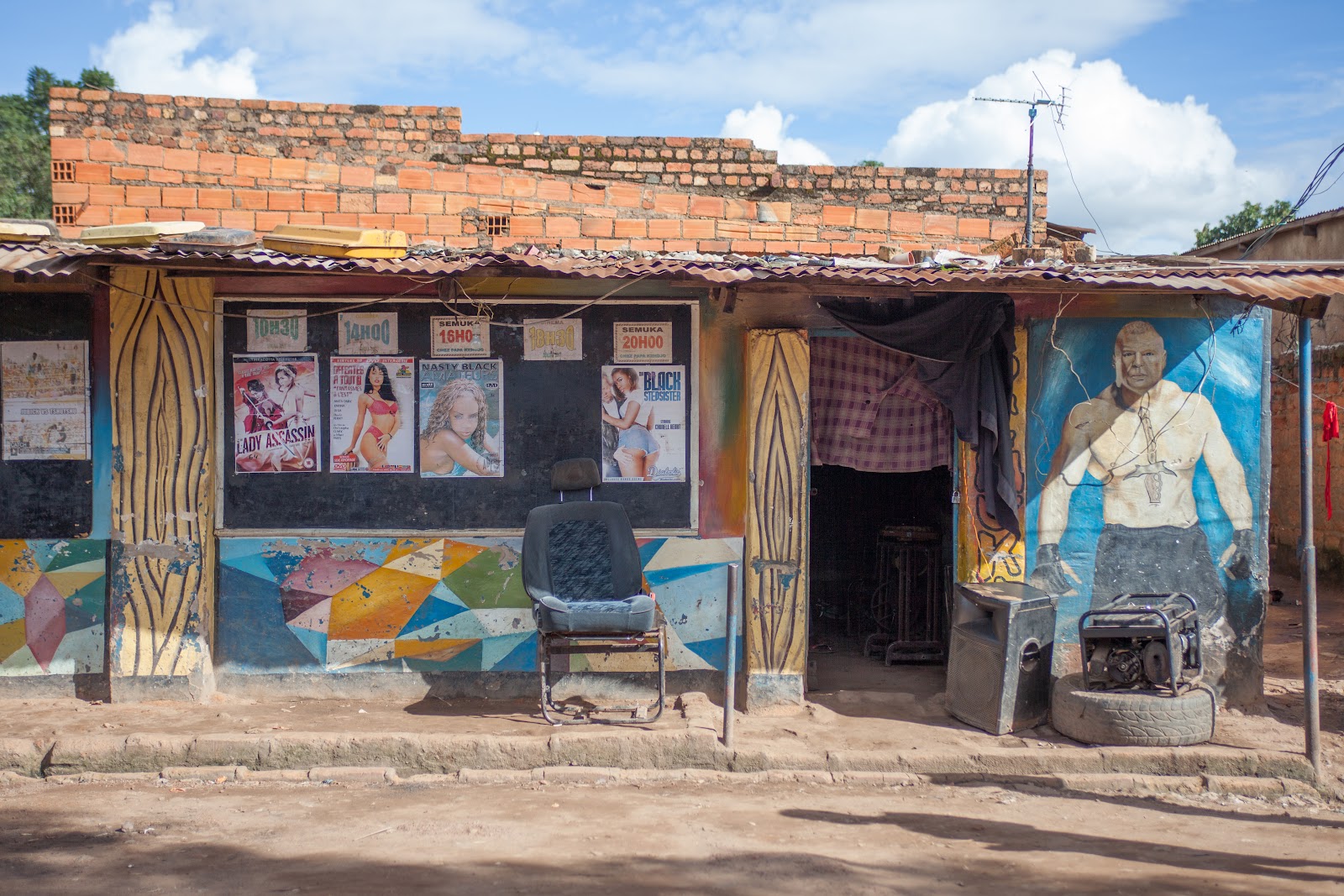
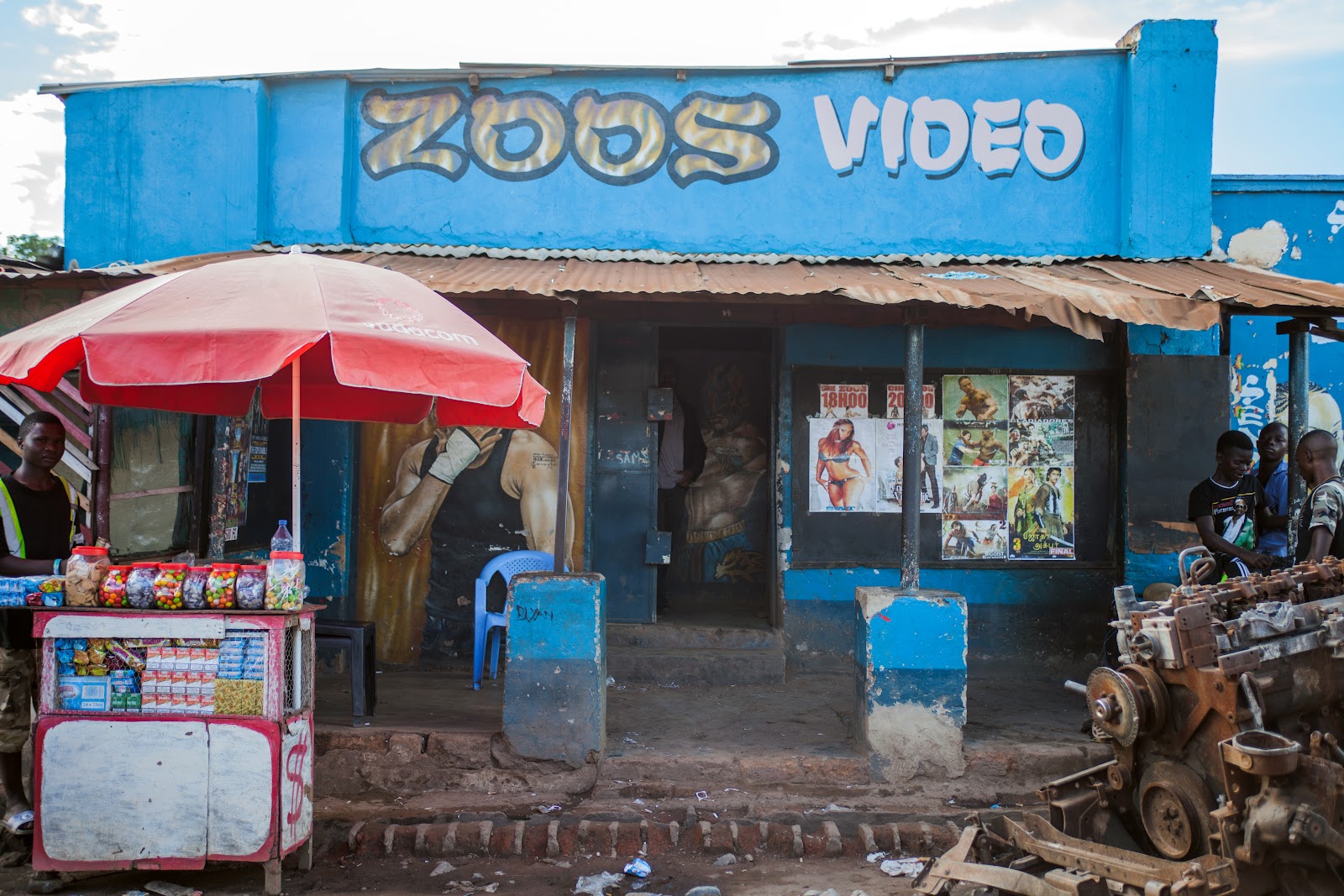
Many owners of televisions didn't want to receive people at their places anymore, so they decided to create a system that could benefit them and their family. The idea was to transform their own living room into a private and at the same time public cinema theatre, where people could come to pay and watch a movie, a football competition, or cultural activity, depending on the program of the day.
I decided to revisit those private and public cinemas to see how they have become today and what role they still play in society after all these years. In 1996, when the dictatorship ended in Congo, the borders were opened for those who could travel and do business out of Congo. In less than two years, especially at the beginning of 2000, there was a huge market of televisions and VCD players in Katanga.
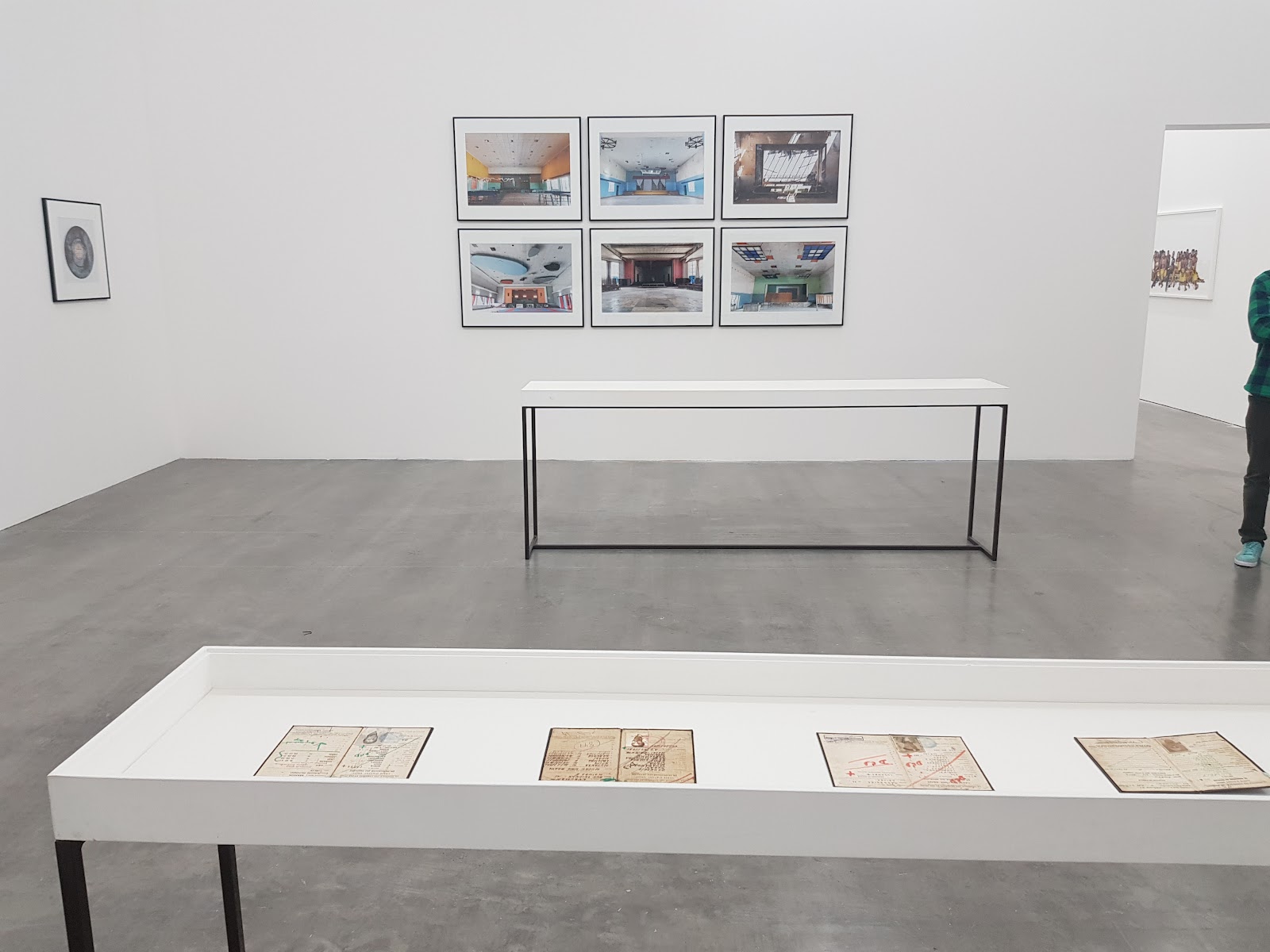
Polyptych: Old Cinema Space (Gecamine) - 6 photos


Triptych: Private Cinema from Katanga Township - 3 photos
Triptych: Pirated DVDs from Tanzania - 3 photos
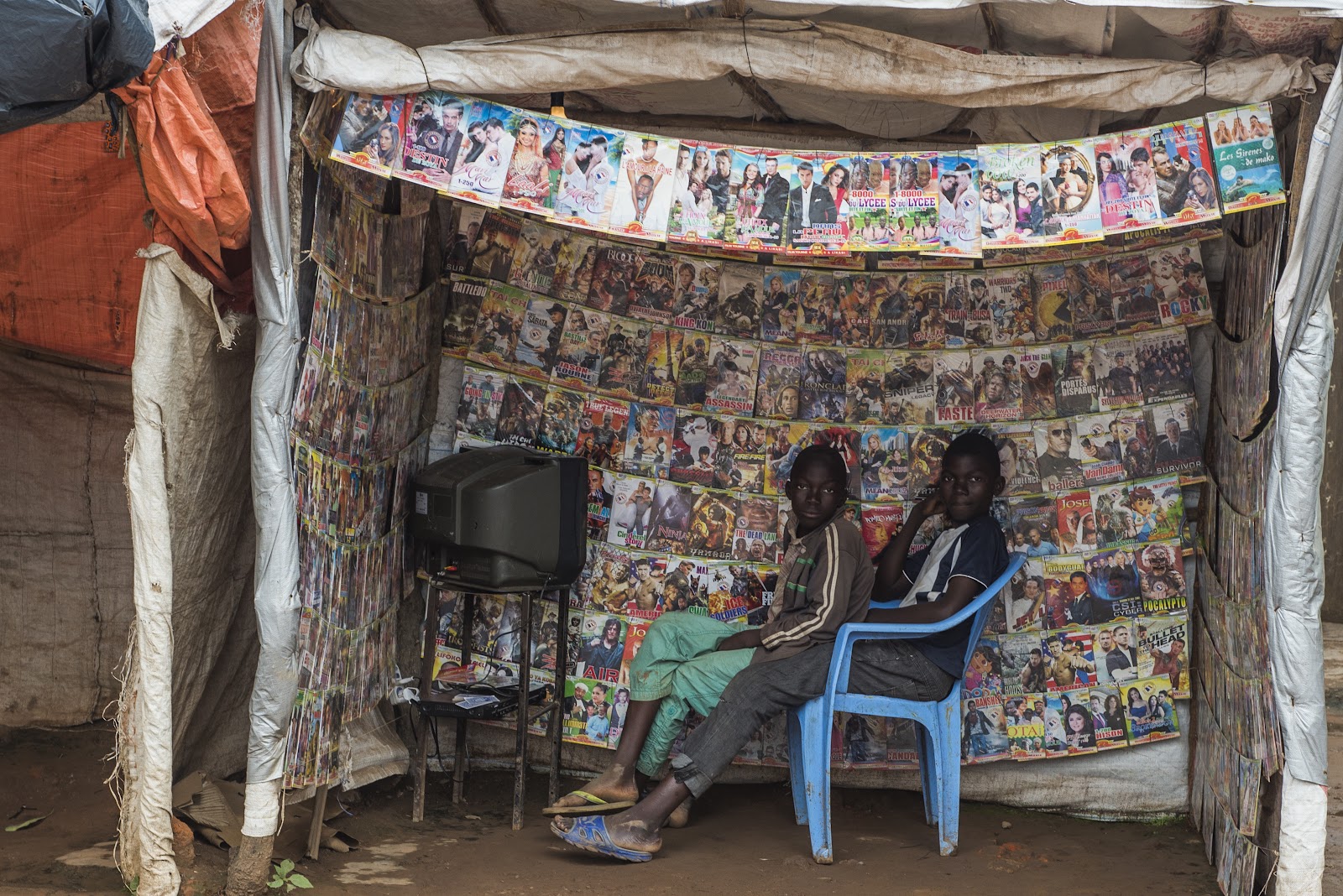
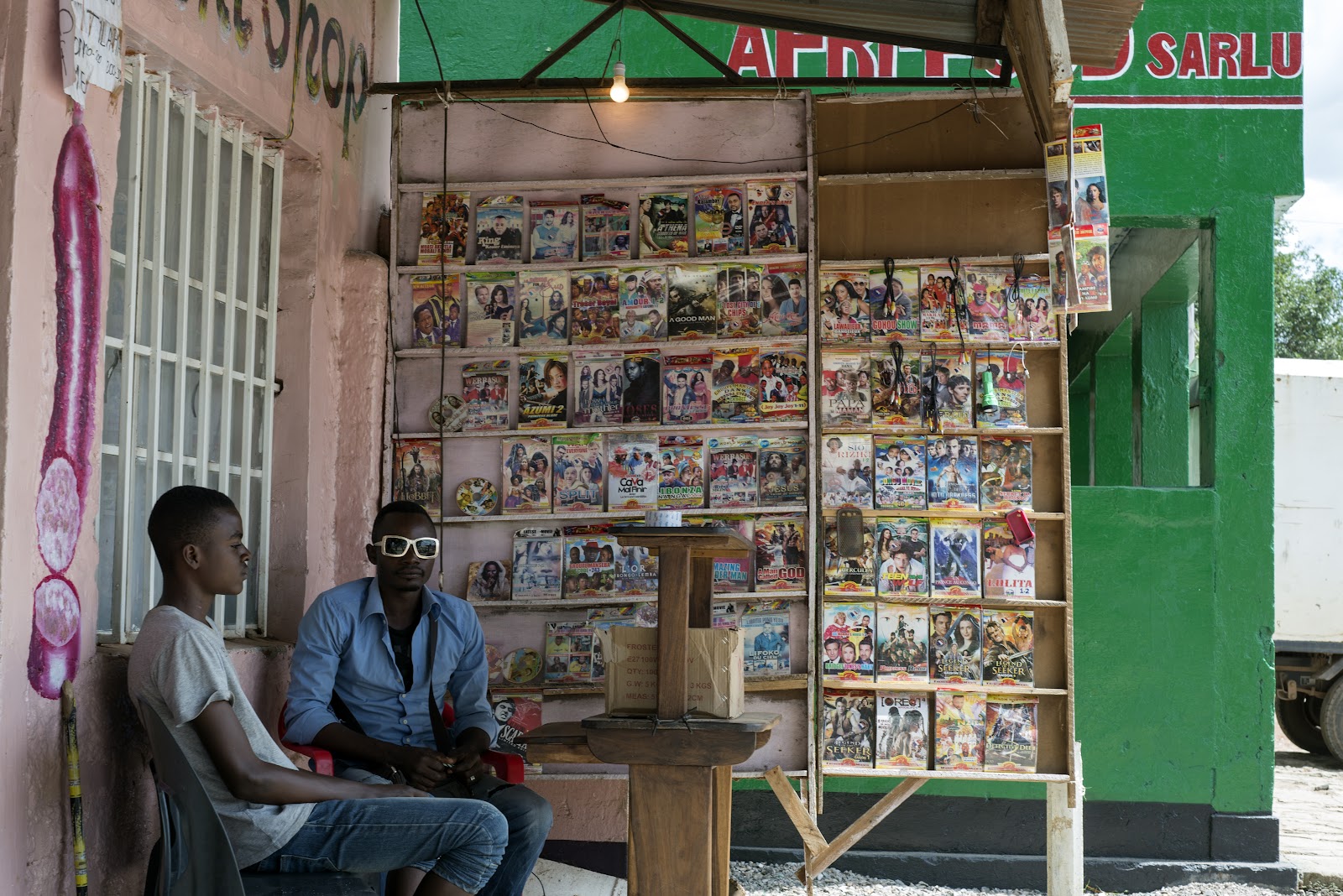
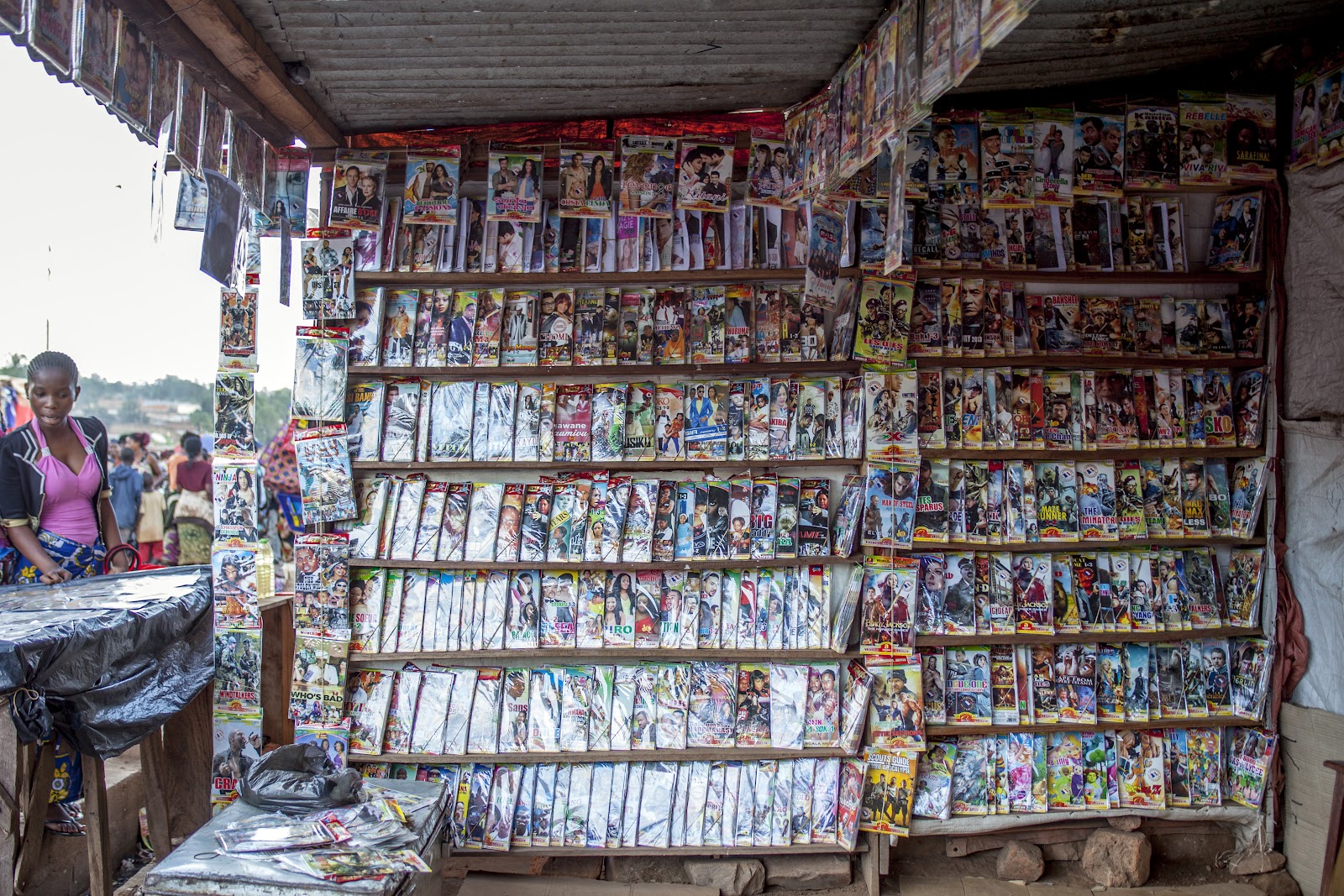
Diptych: Old Projector from Gecamine Cinema Space - 2 photos
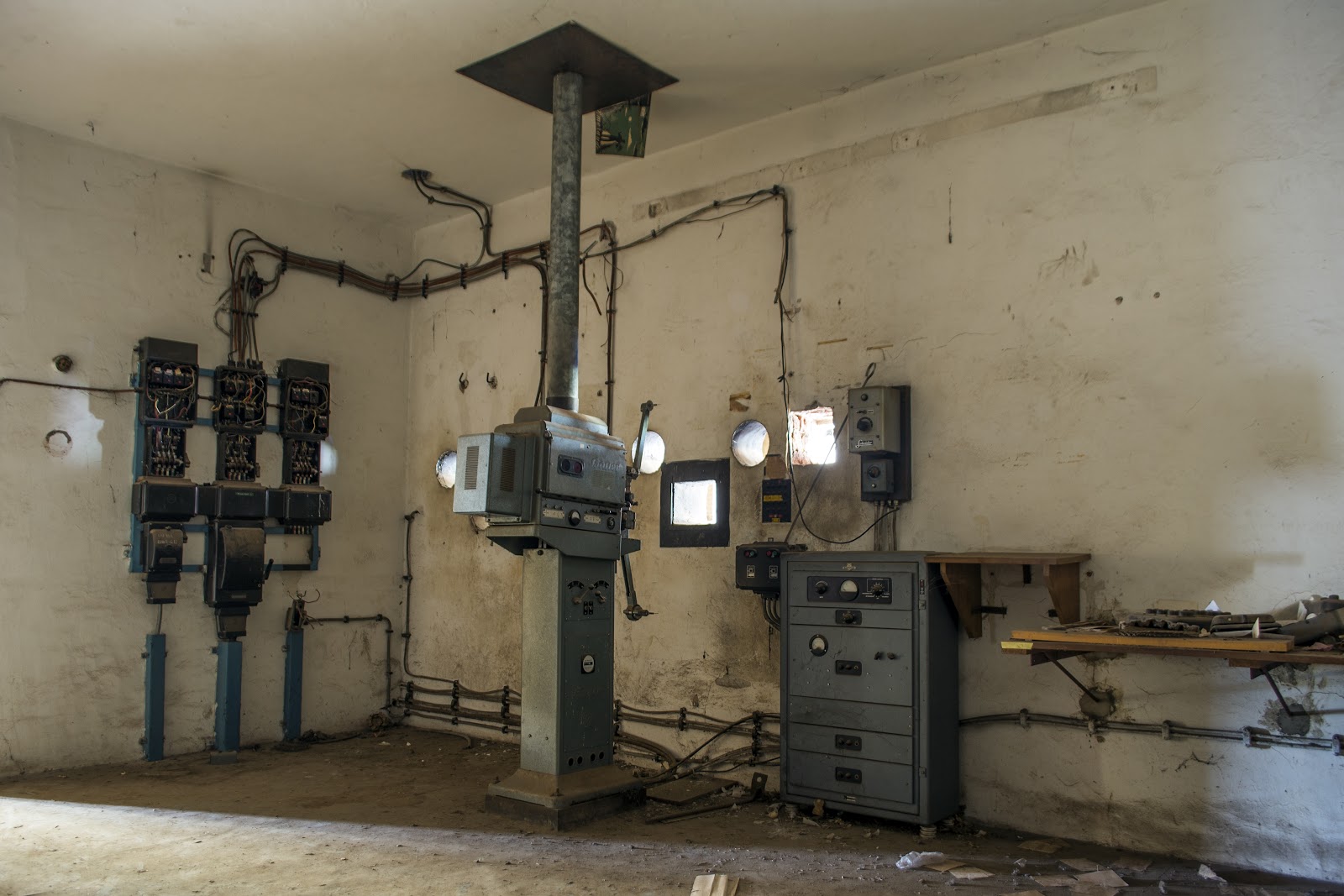
Polyptych: Movie Archives (40 × 40 cm) - 4 photos
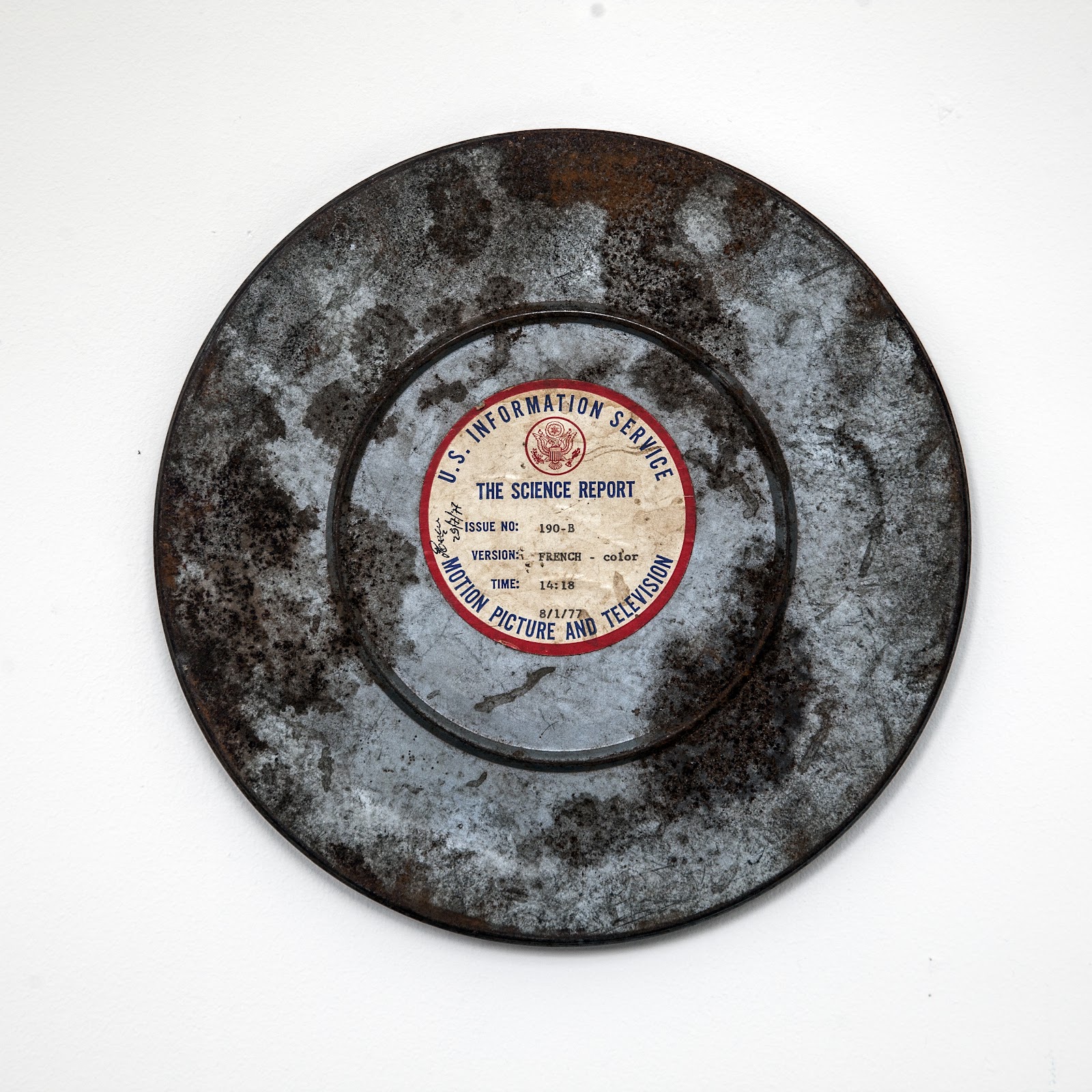
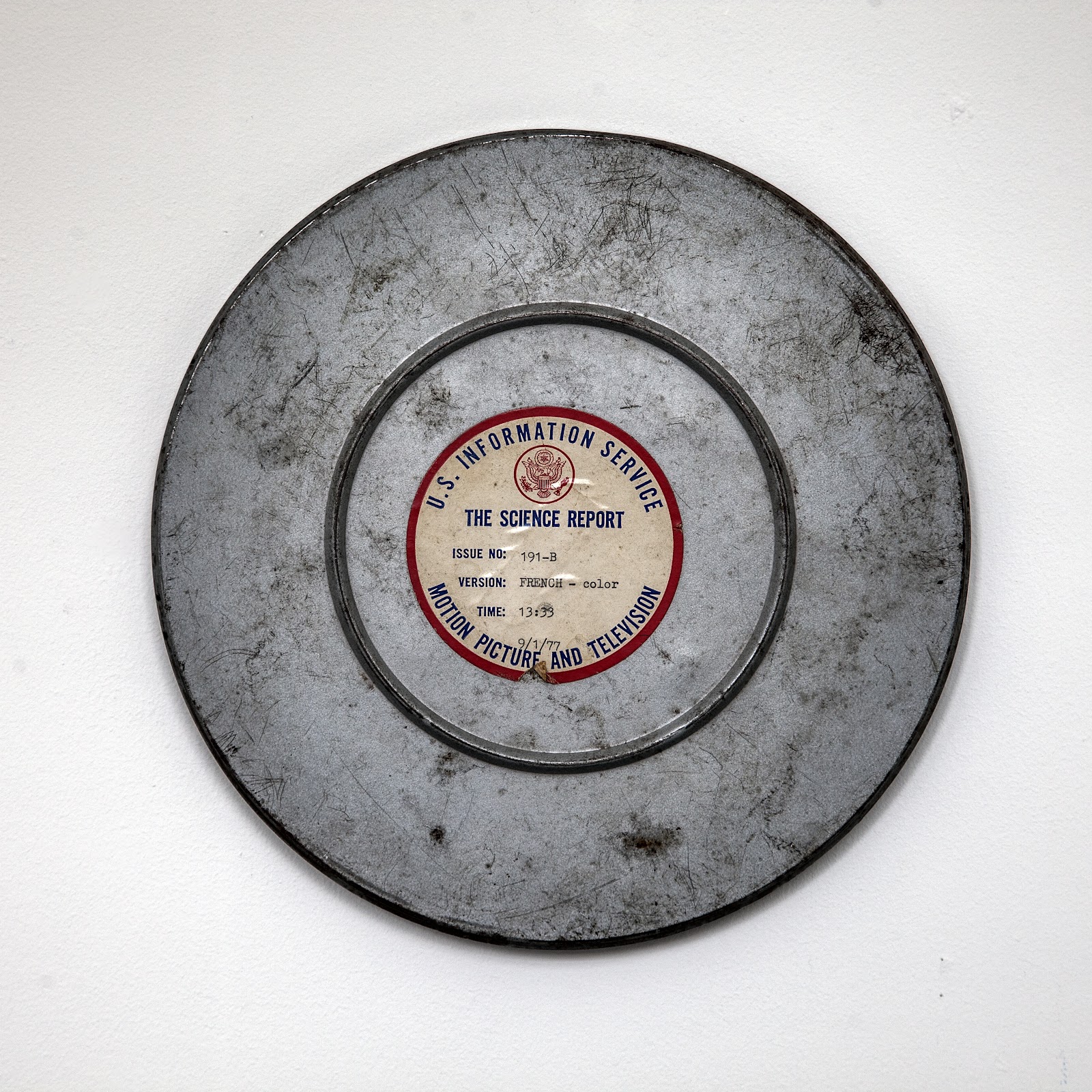

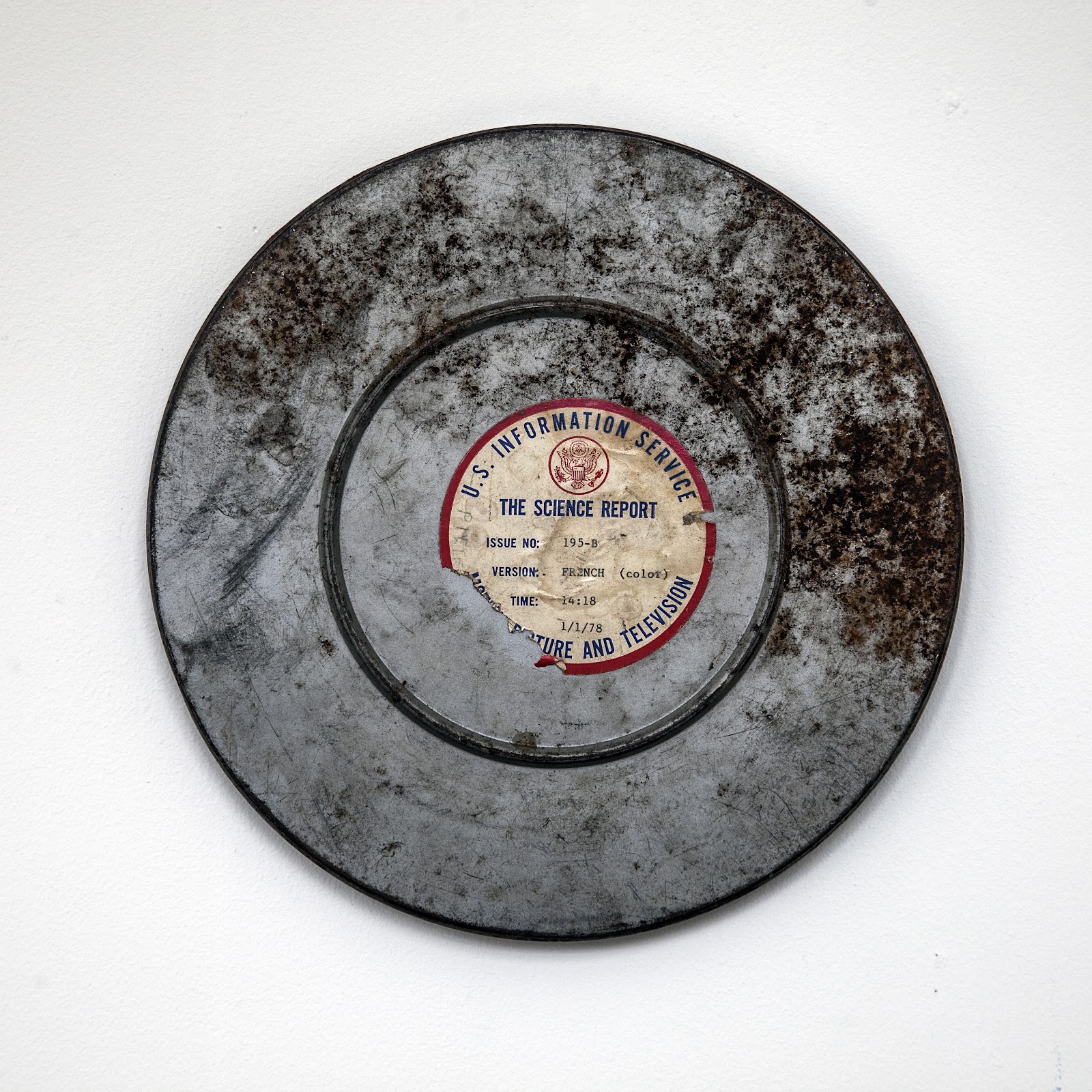
Gecamine Identity Card Archives - 6 cards

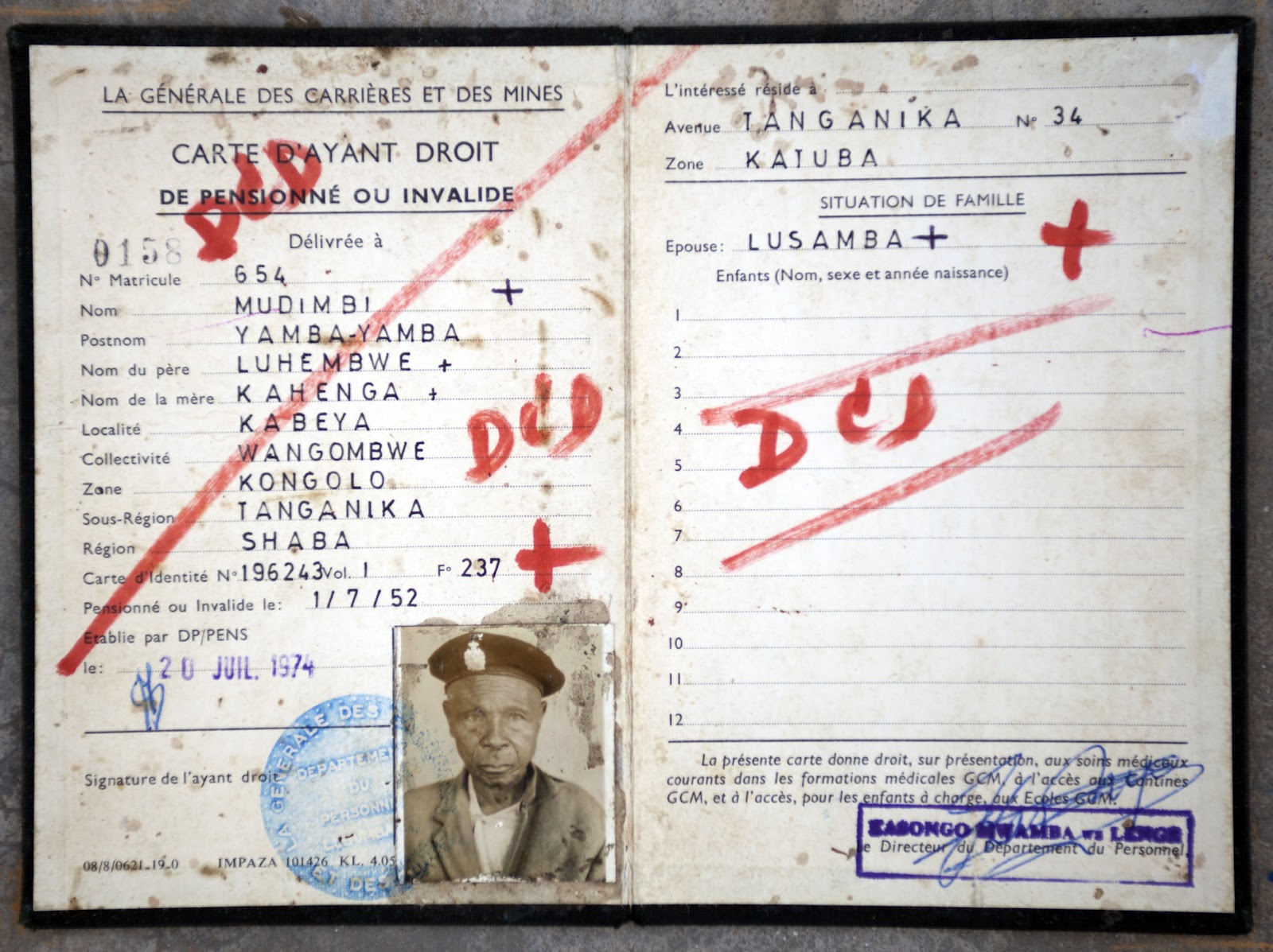
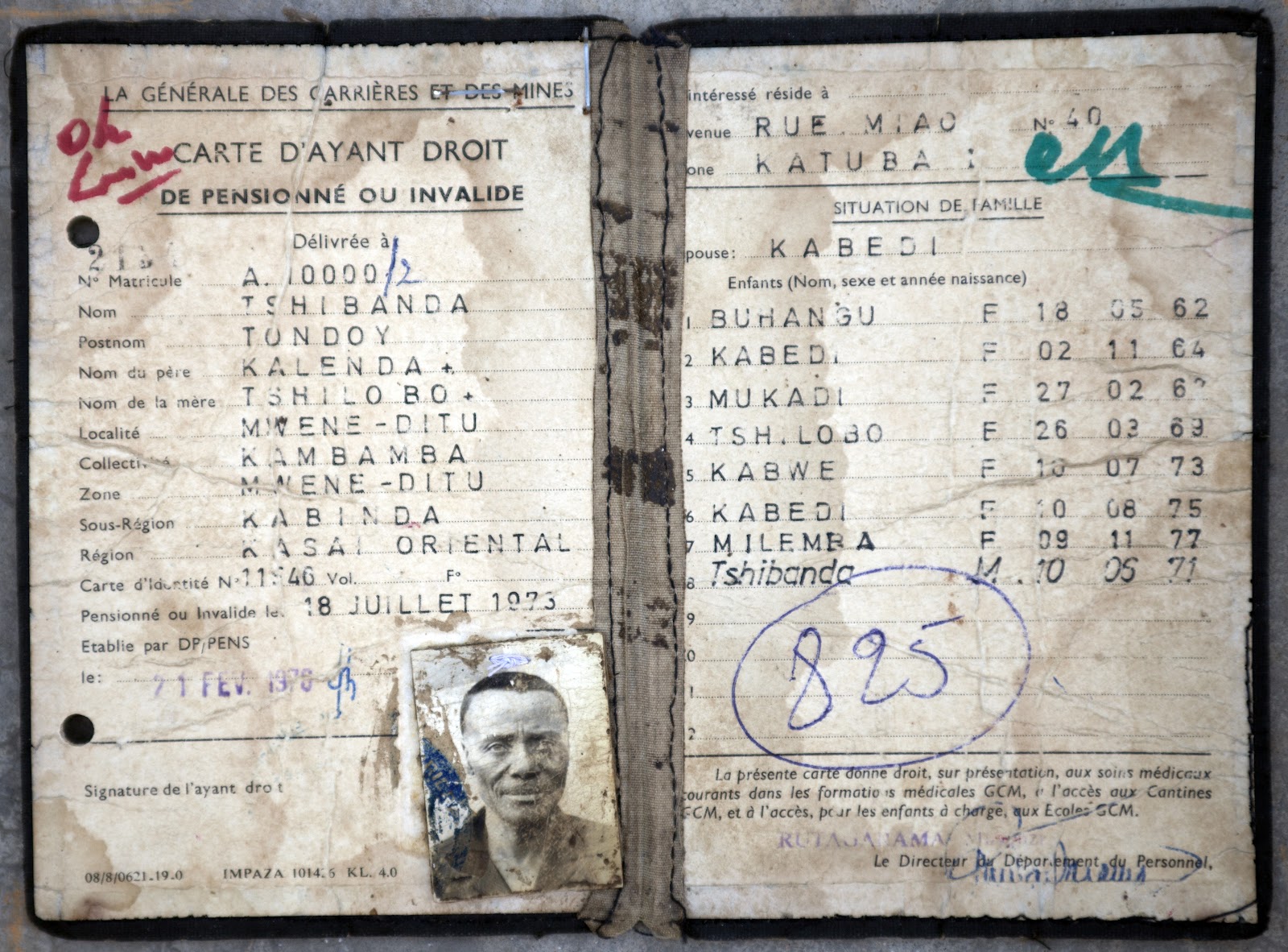
Exhibition Views
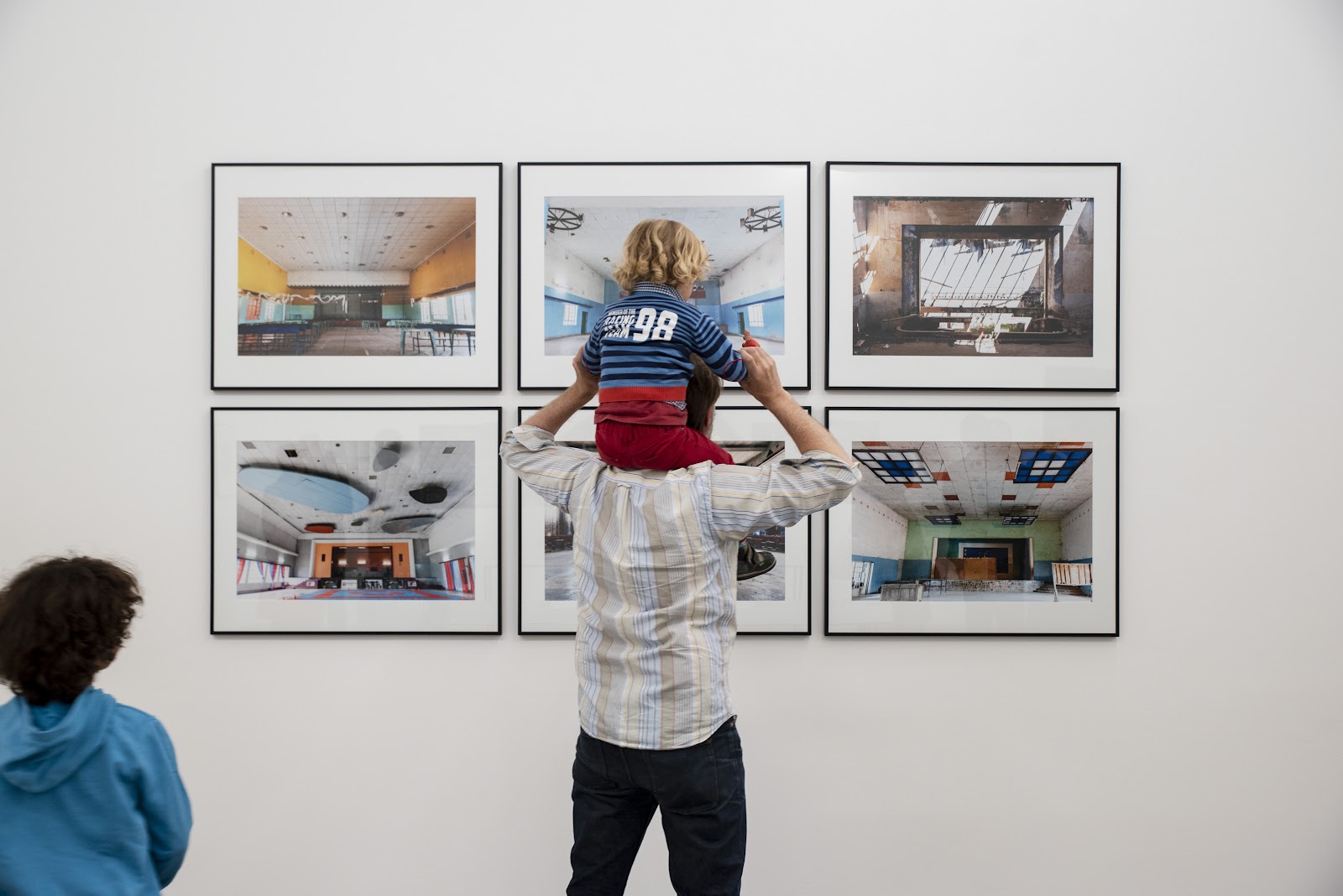
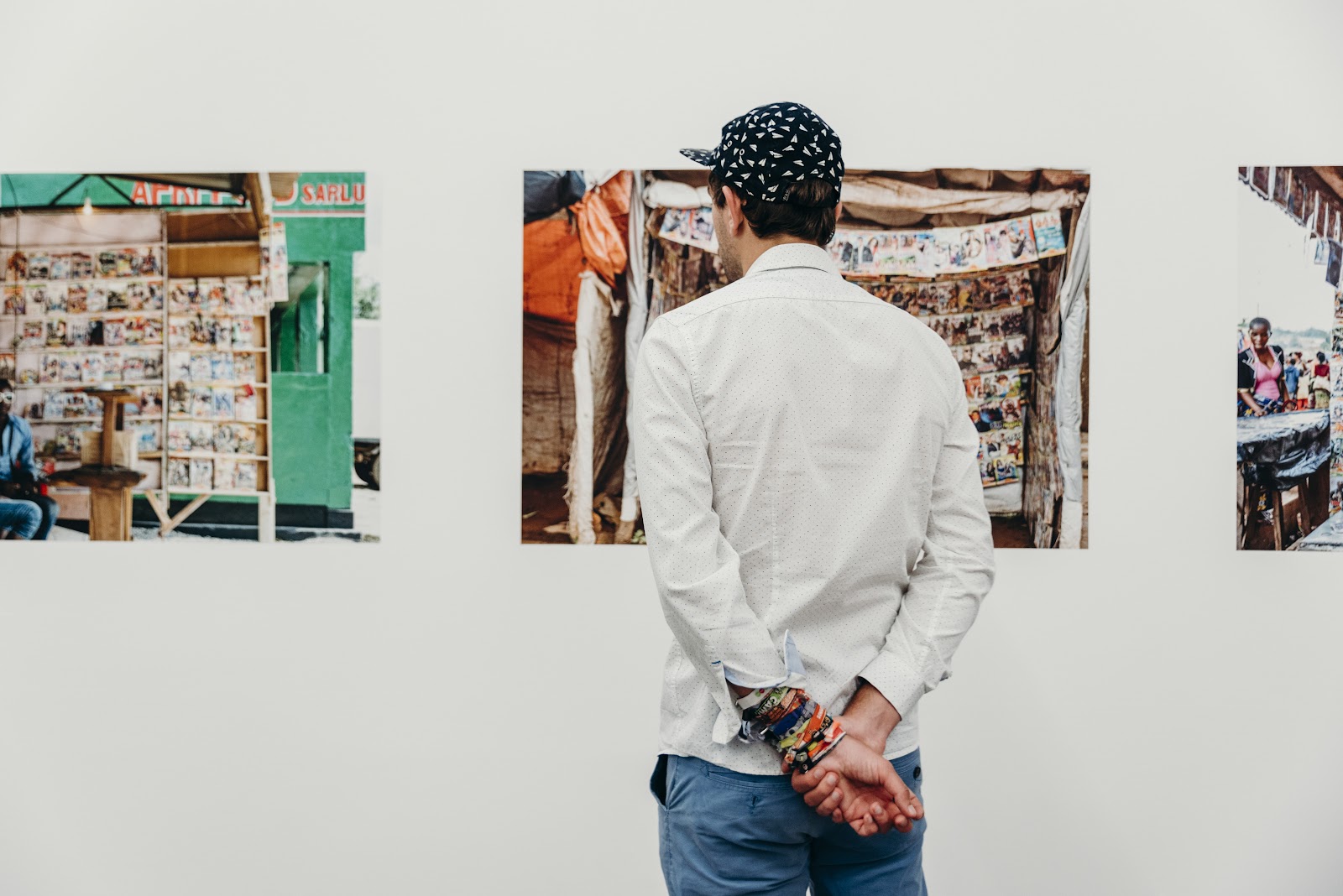

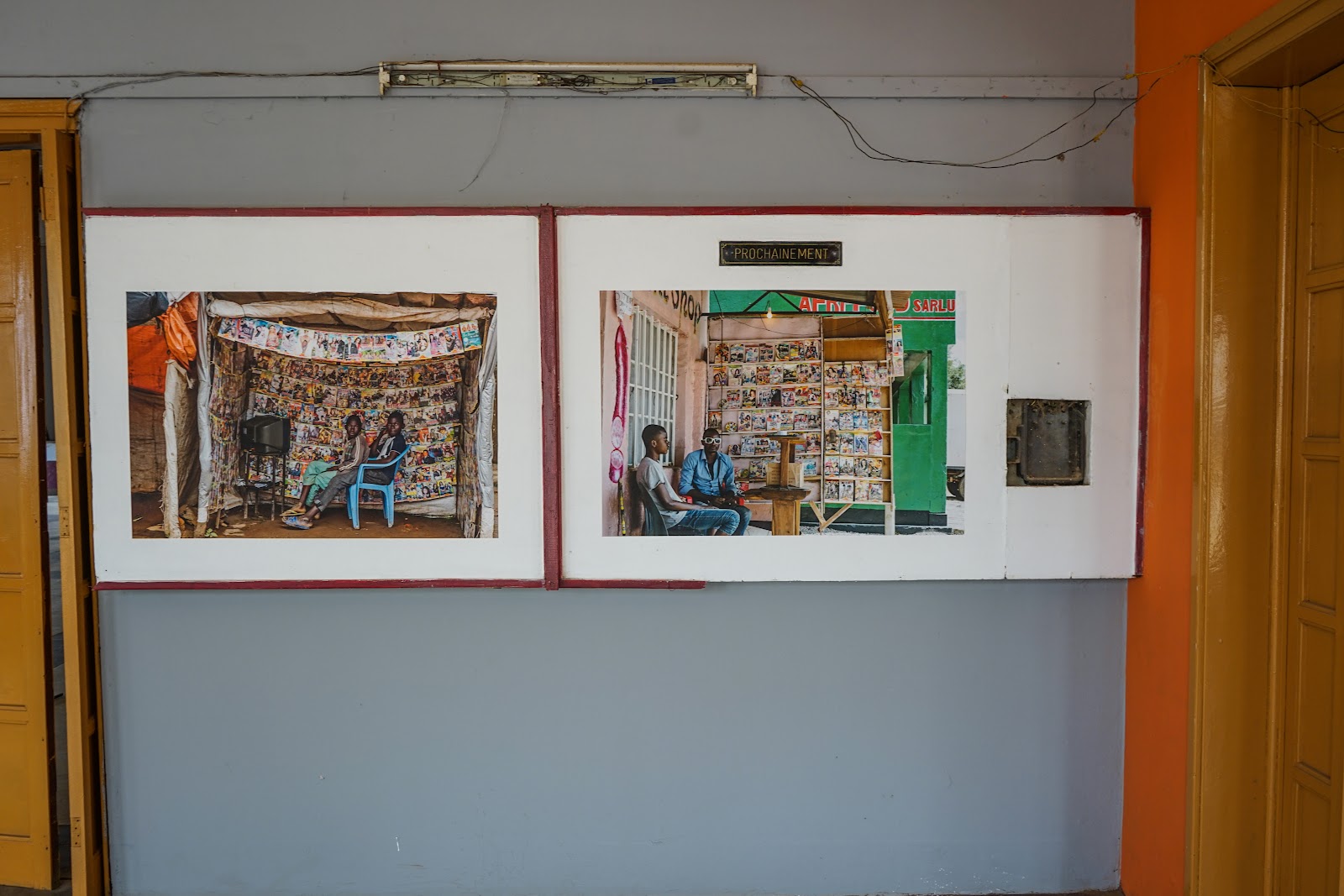

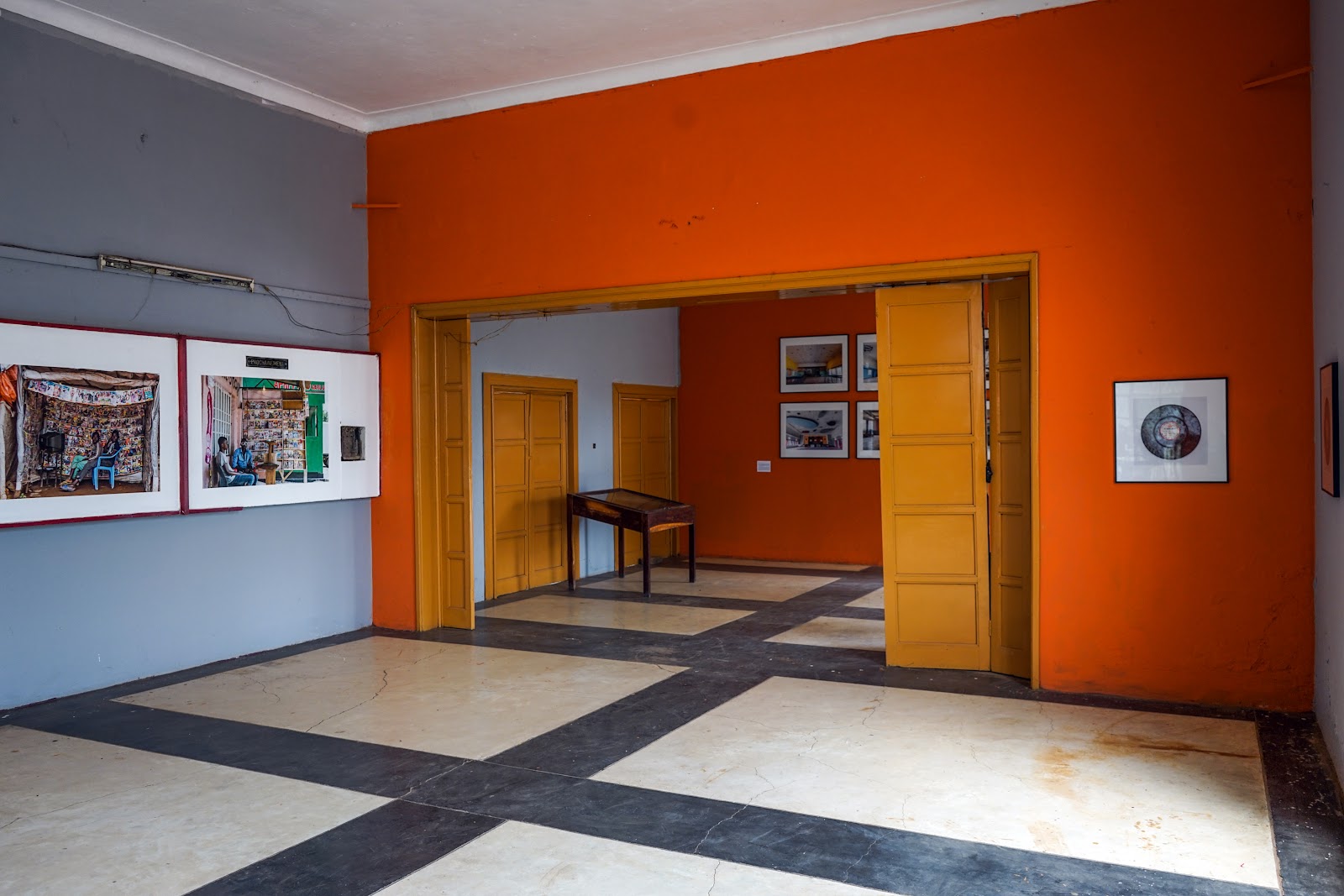
Context: The project revisits movie theatres in Katanga Province before and after independence: from Gecamines' colonial-era cinemas for privileged employees to the private-public cinemas created in living rooms in the Commune of Katuba.